
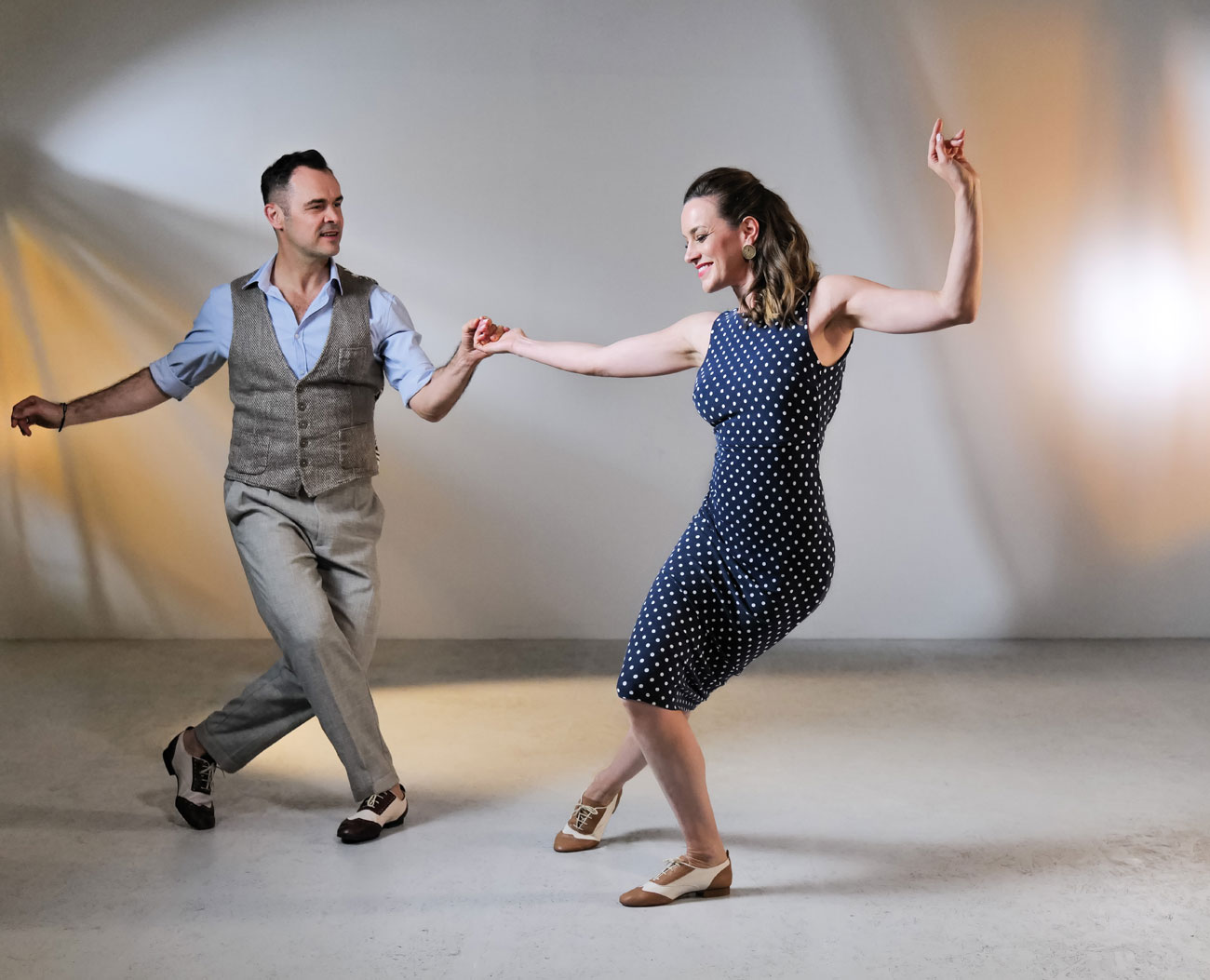
You’ve signed up for a dance school or your first trial class is coming up? Feeling nervous before your first lesson is completely normal: What should I wear? Do I need special clothing? And how does it all work anyway? We’ll show you how to prepare for your first dance class and what to expect in your first lesson, so you feel confident and comfortable and know exactly what matters.
- Clarify information in advance: Check the dance style, level, time, and studio details.
- Prepare your body: Warm up, eat lightly, and drink enough water.
- Choose clothing and shoes: Comfortable, movement-friendly clothing and dance shoes suitable for regular practice.
- Get mentally prepared: Accept mistakes as normal, focus on having fun, and stay open to feedback.
- Pack your dance bag: Comfortable clothes, suitable shoes, a water bottle, and a towel.
Why is it important to prepare for your first dance class?
Better learning curve and more fun
If you prepare for your dance class and know what to expect, you can fully focus on the steps and the music instead of worrying about your outfit, shoes, or insecurities. This helps you pick up new figures more quickly, feel more confident on the dance floor, and experience your dance training as a positive break rather than a stressful moment.
Protection for your body and joints
Good preparation with appropriate footwear, some warm-up exercises, and comfortable clothing helps protect your joints, muscles, and ligaments from overuse. Especially in partner dancing, many turns and weight shifts are involved. Arriving prepared at the dance school significantly reduces the risk of pain or injury.
Comfort = a better dance experience
If you want to prepare for your dance class, comfort should be a priority. A well-prepared body, a relaxed posture, and suitable clothing ensure that you feel safe and comfortable on the dance floor. That’s exactly what makes the difference between “just going through the motions” and having a truly enjoyable dance experience.
What does the first lesson look like?
Your first lesson or trial class is coming up? Don’t worry! To help you prepare for your dance class, here’s a brief overview of the typical process. Your first dance training session is usually structured to gently introduce you to dancing, allowing you to gradually learn how the class works. Depending on the course and dance style, there may be slight differences.
As a rule, your dance teacher will welcome you and explain the structure of the lesson. In partner dances, such as standard ballroom dances, couples are formed. In solo classes, you usually start individually right away. The initial focus is on basics like posture and rhythm. Regardless of the chosen dance course or style, every lesson begins with stretching and warm-up exercises to prepare your muscles and joints and help prevent injuries. After that, the first steps and exercises follow.
What should I wear as a dance student for a dance class?
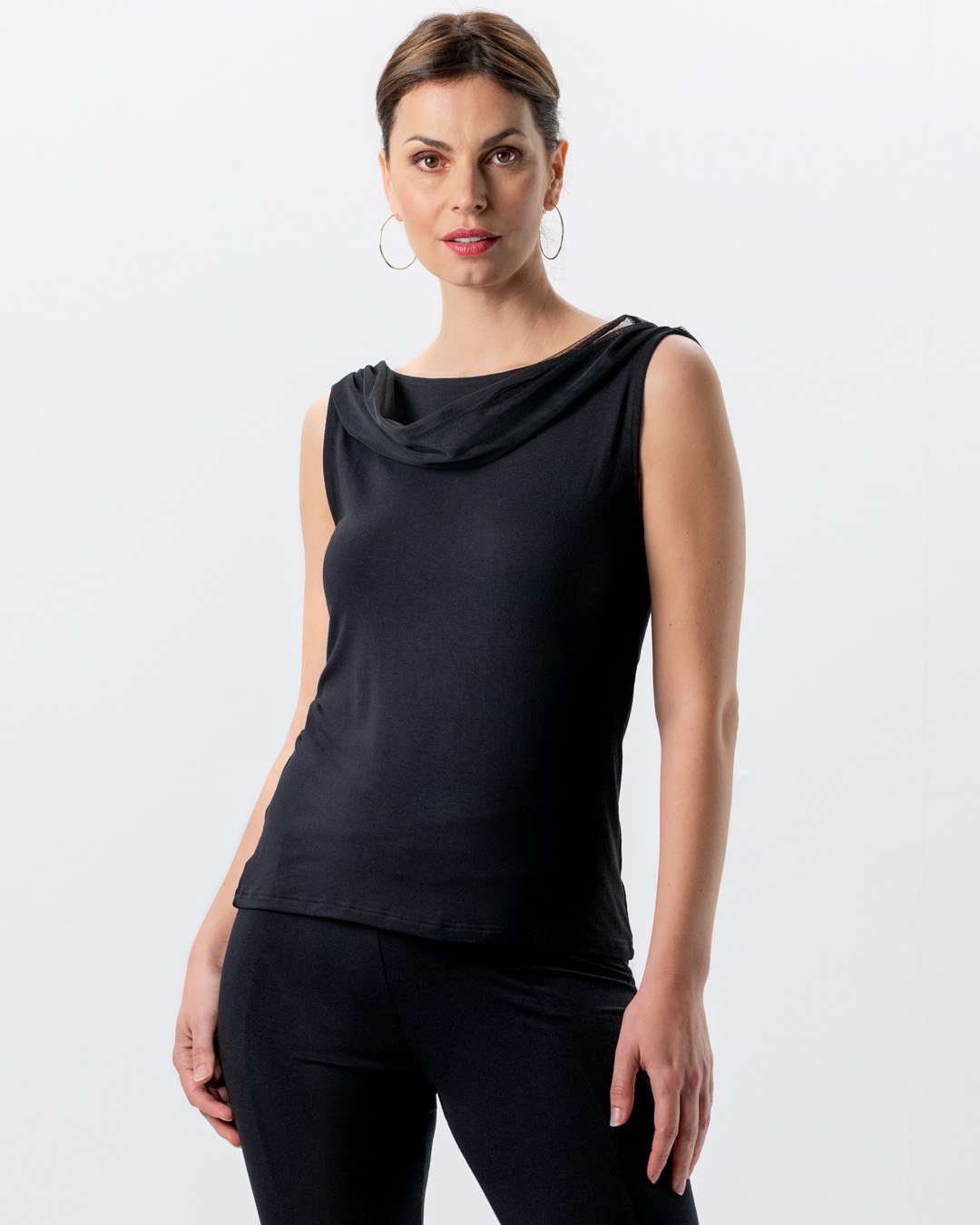
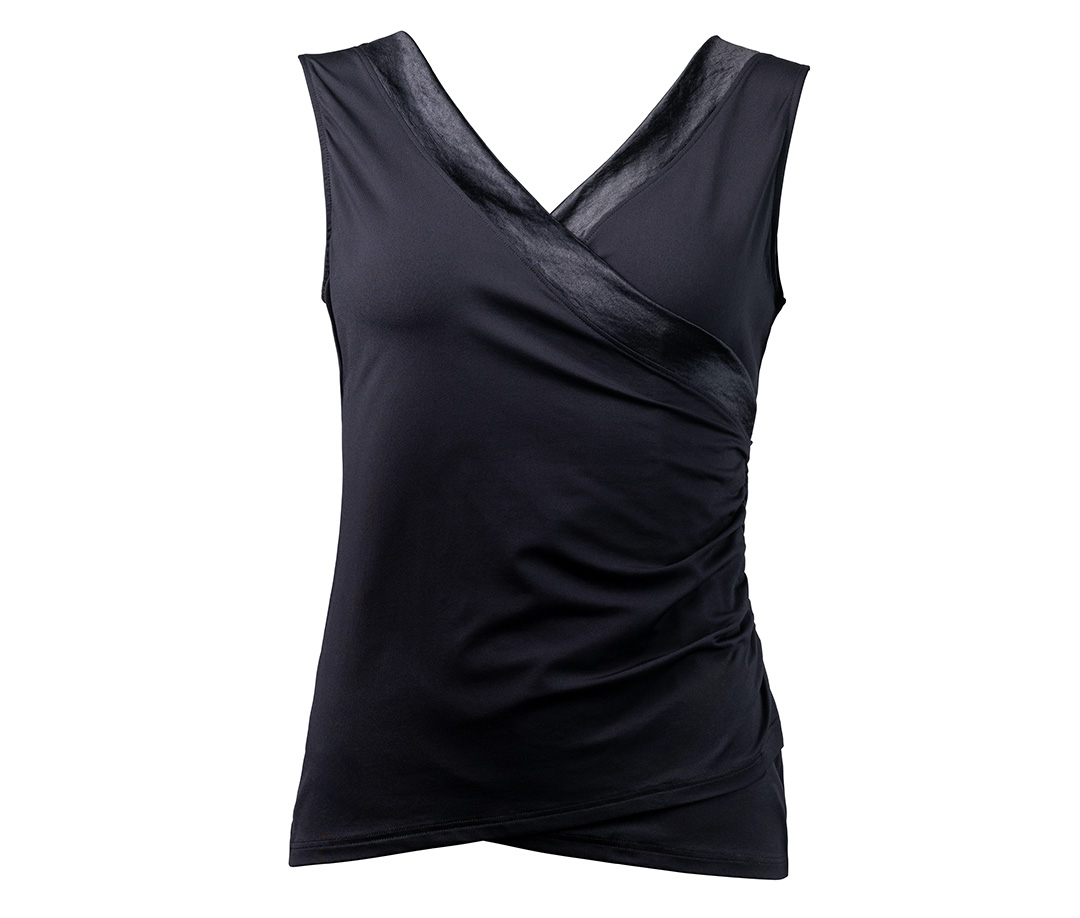
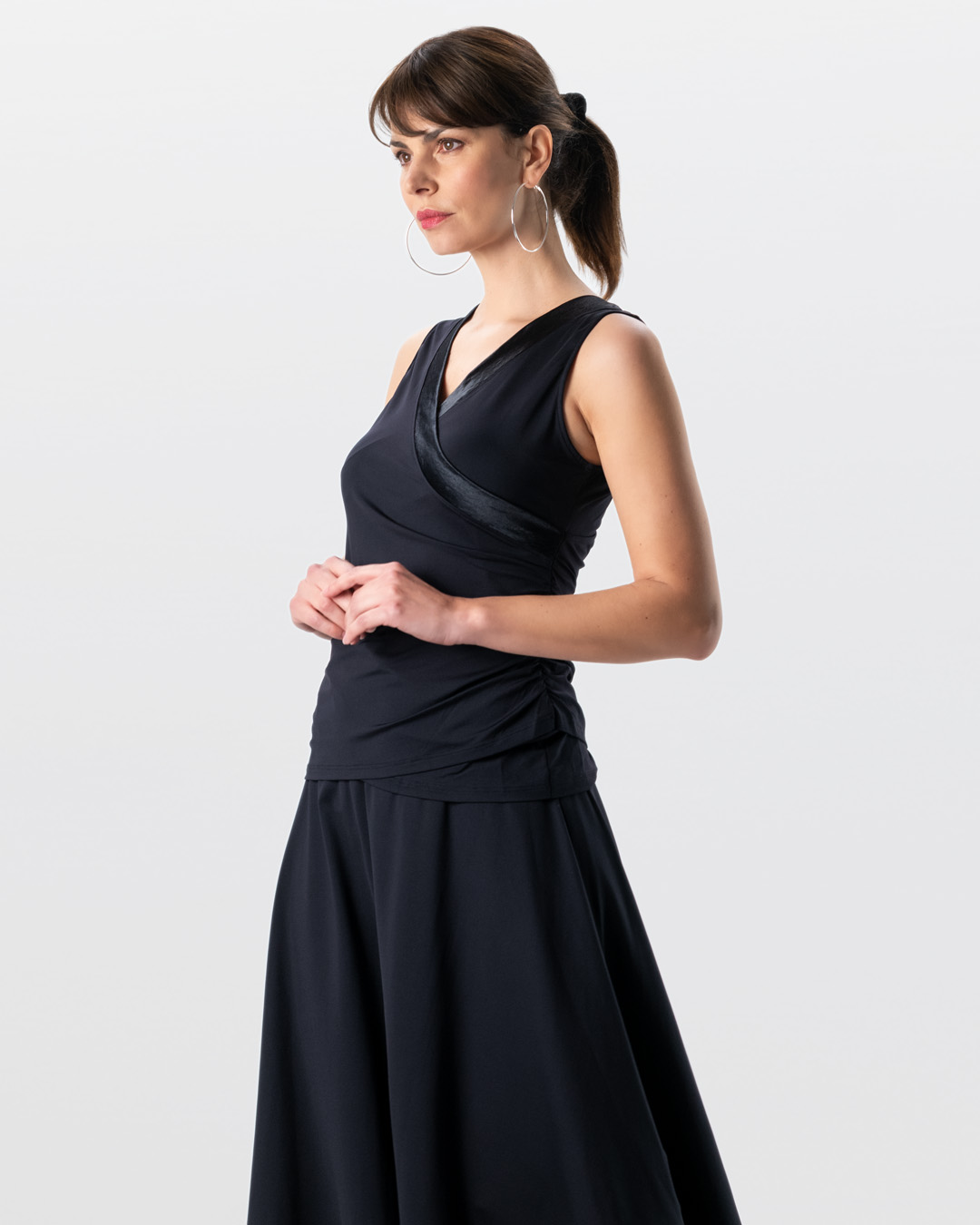
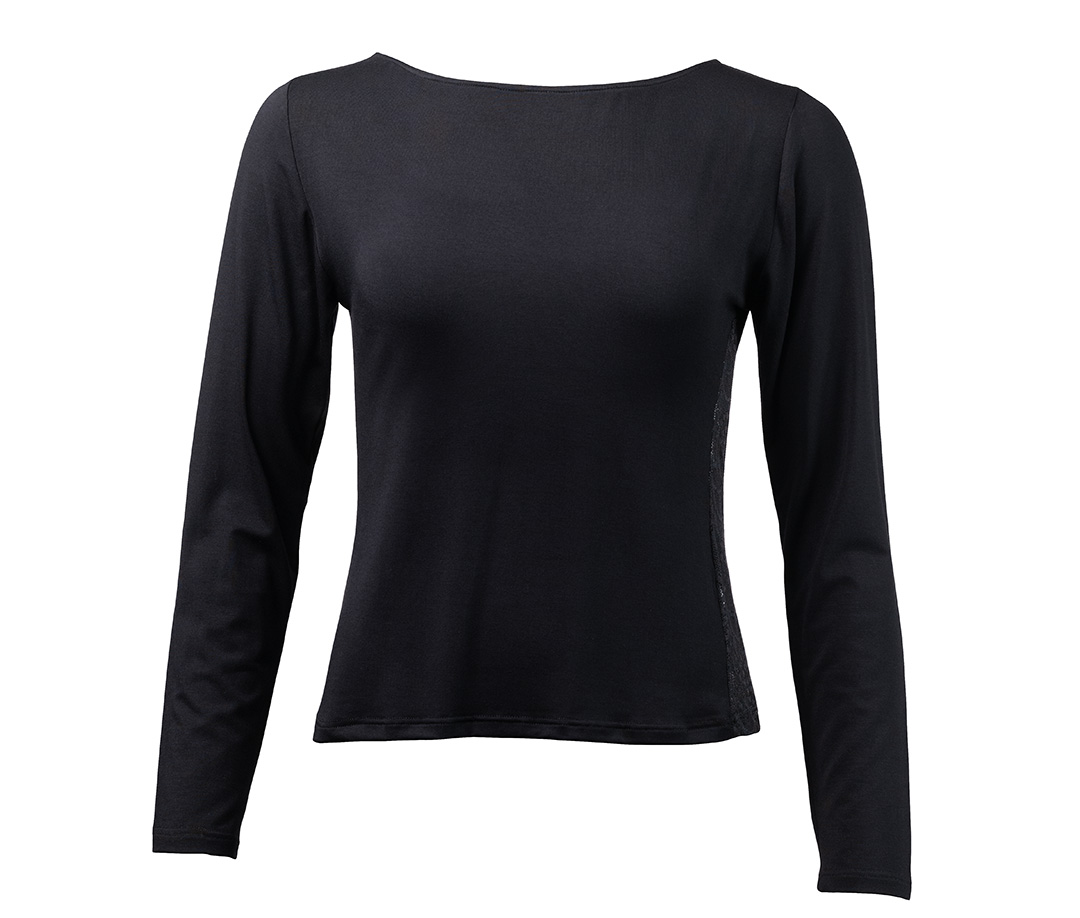
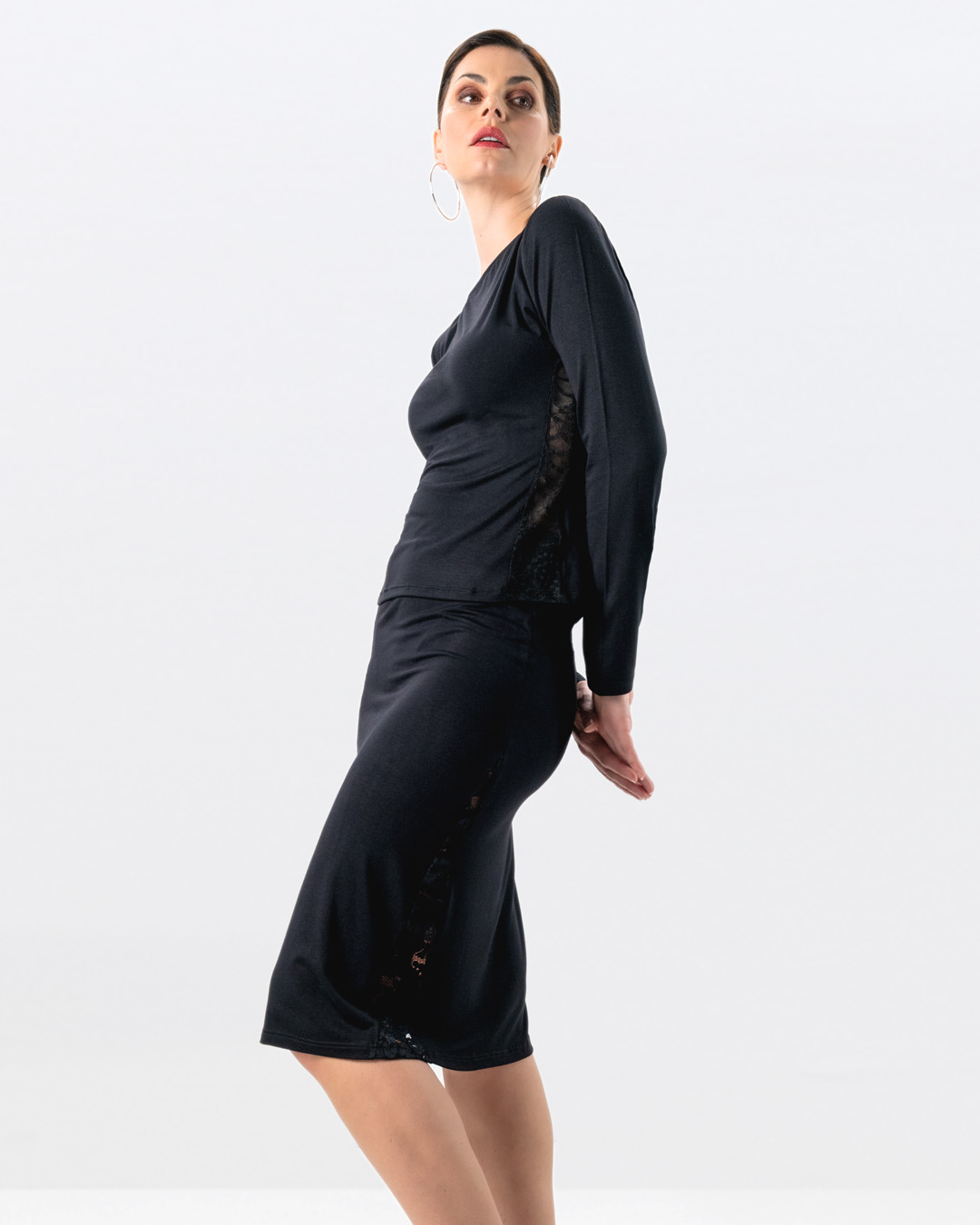
If you want to prepare properly for your dance class, you should pay attention to choosing the right clothing. Uncomfortable pants or tops that slip can quickly become distracting and take your focus away from the training.
Comfortable basics for dance beginners
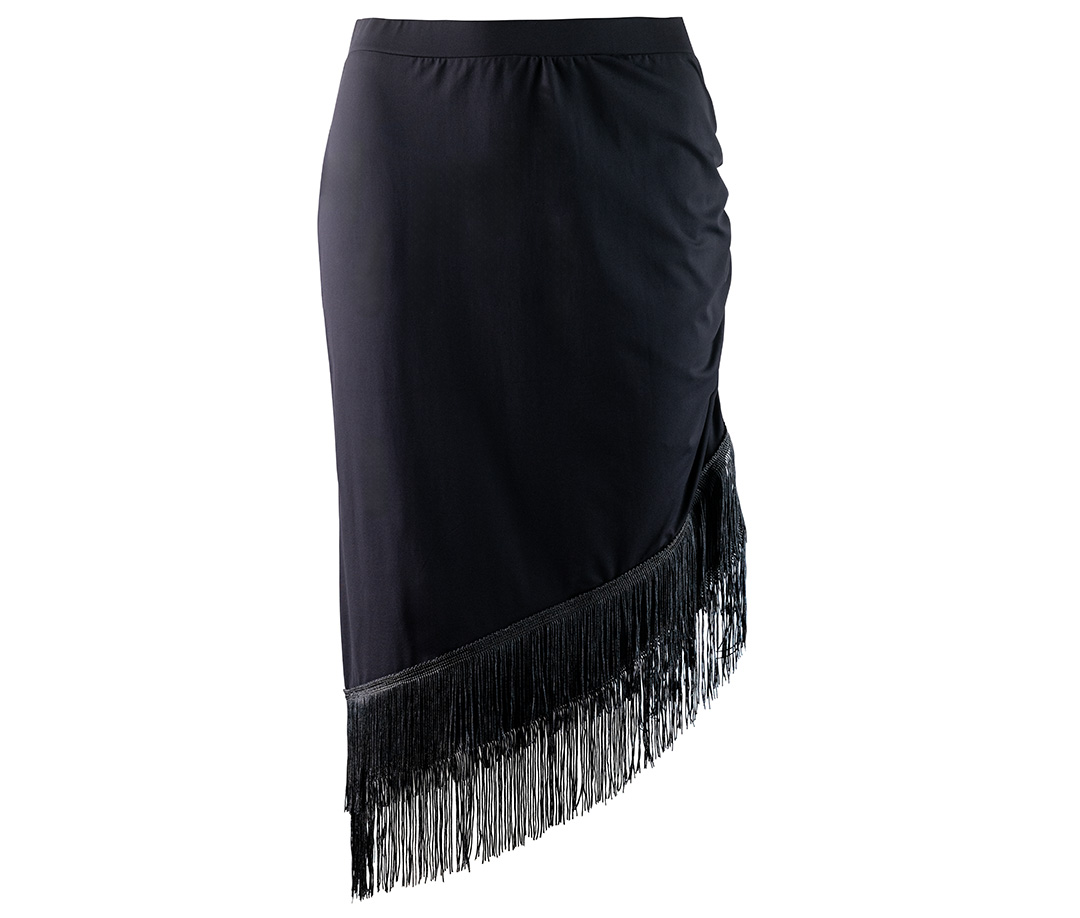
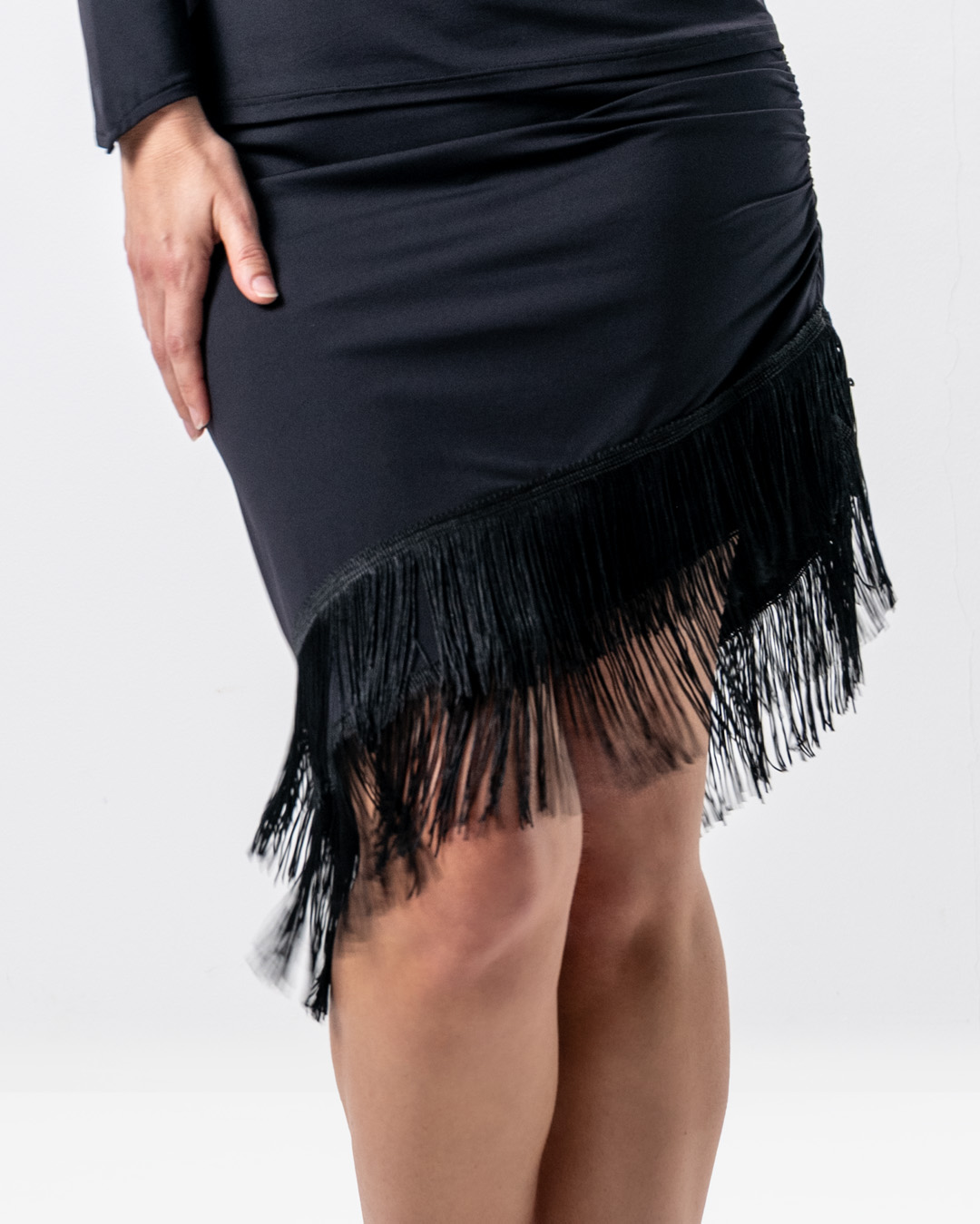
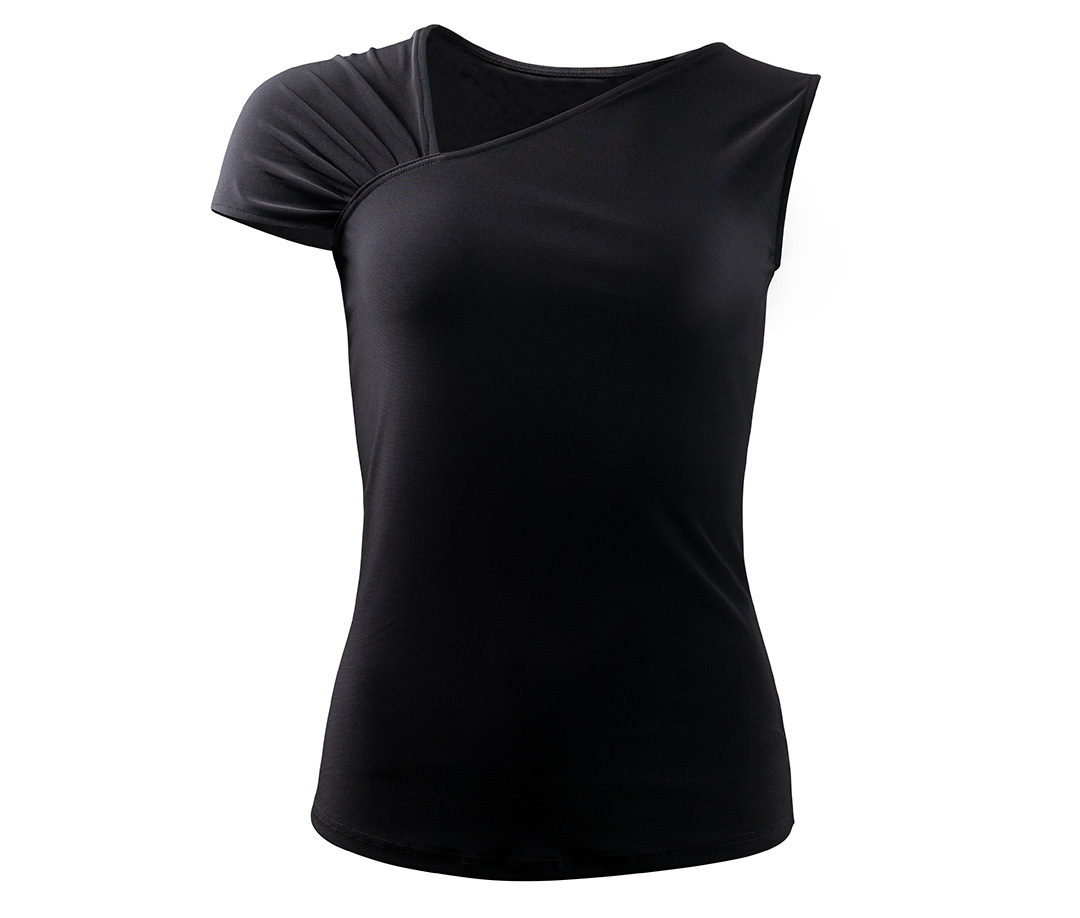
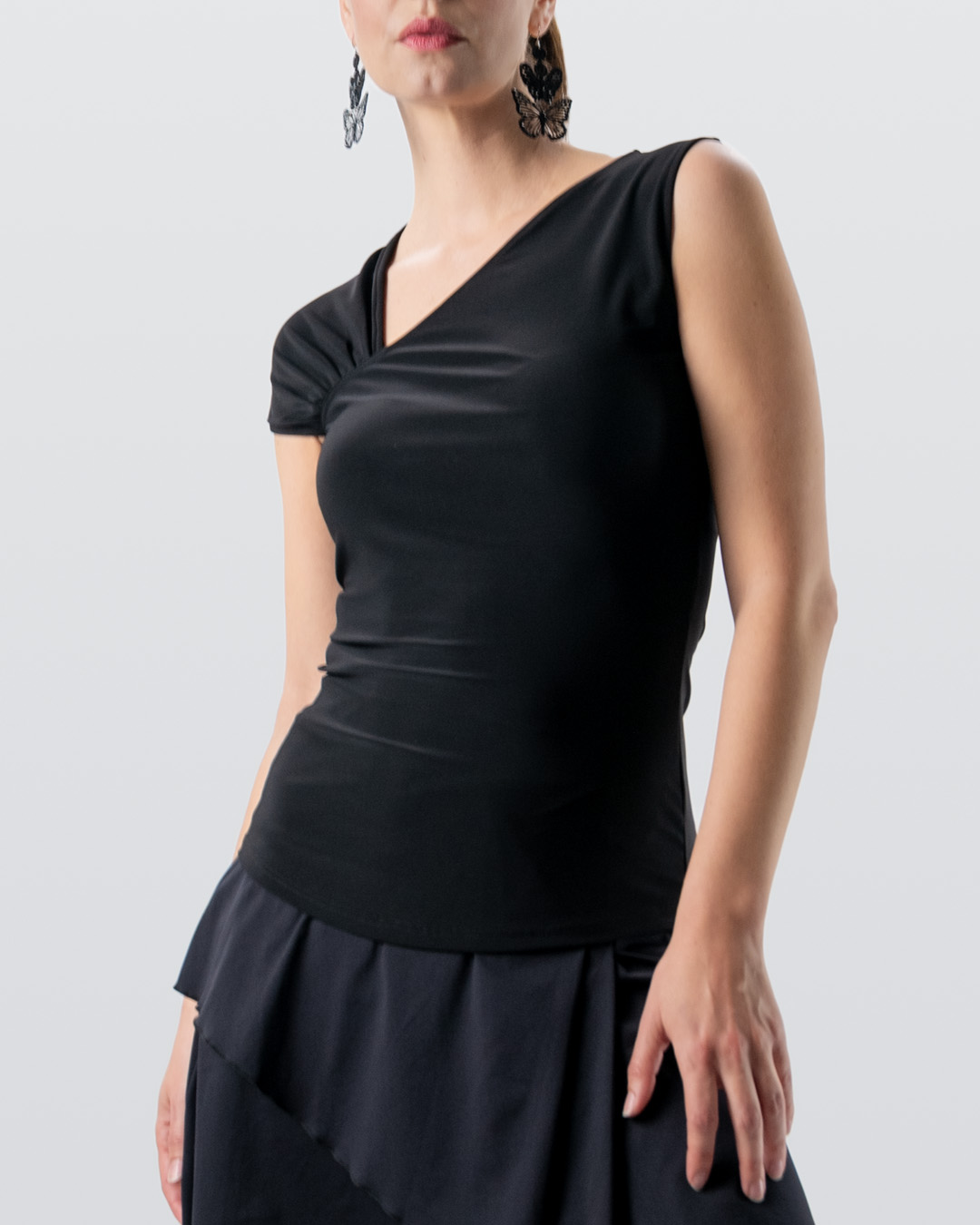
For a trial class or your first lesson, you should choose clothing that primarily offers freedom of movement and breathability. As a beginner, you don’t need special dancewear right away. A sports T-shirt, comfortable leggings, or loose-fitting pants that wick away sweat and don’t restrict your movement are ideal for your initial dance training. They help you concentrate better on movement and rhythm. If you realize that you enjoy dancing and decide to sign up for a full course, you can prepare even better for your dance classes by investing in dedicated dancewear.
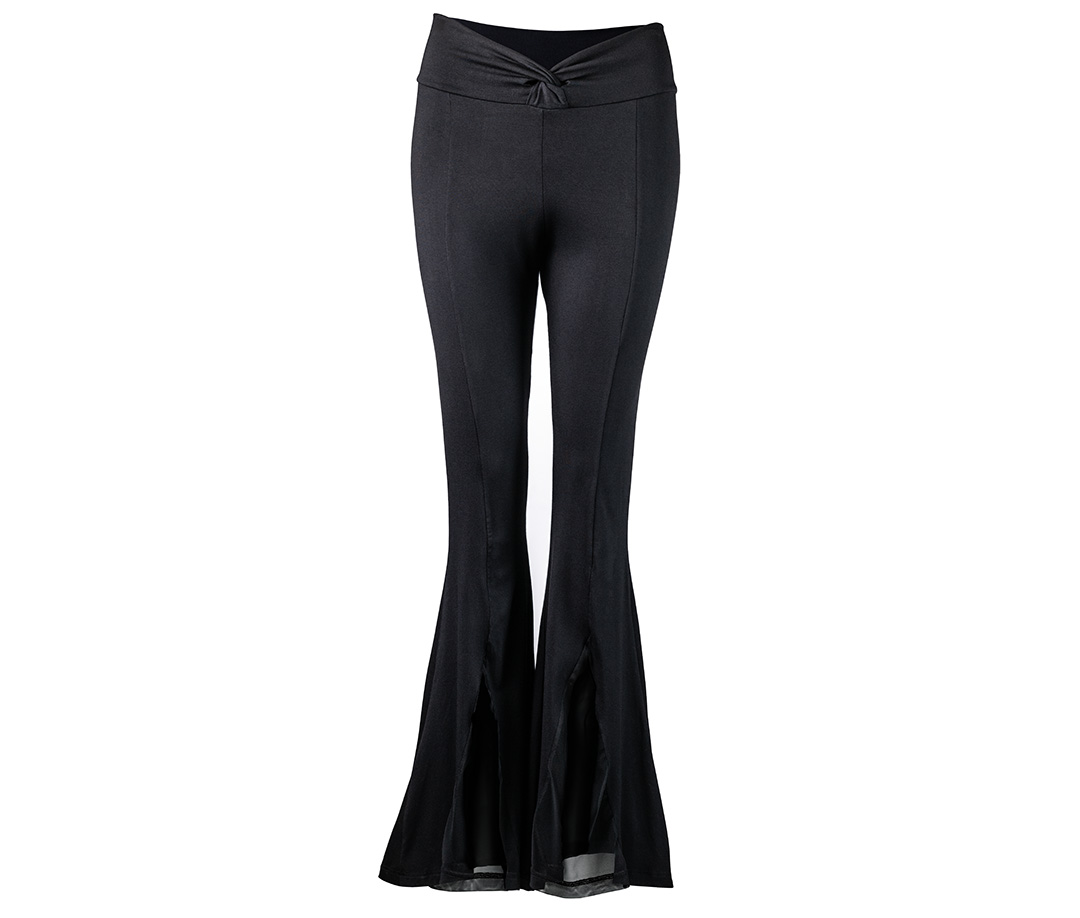
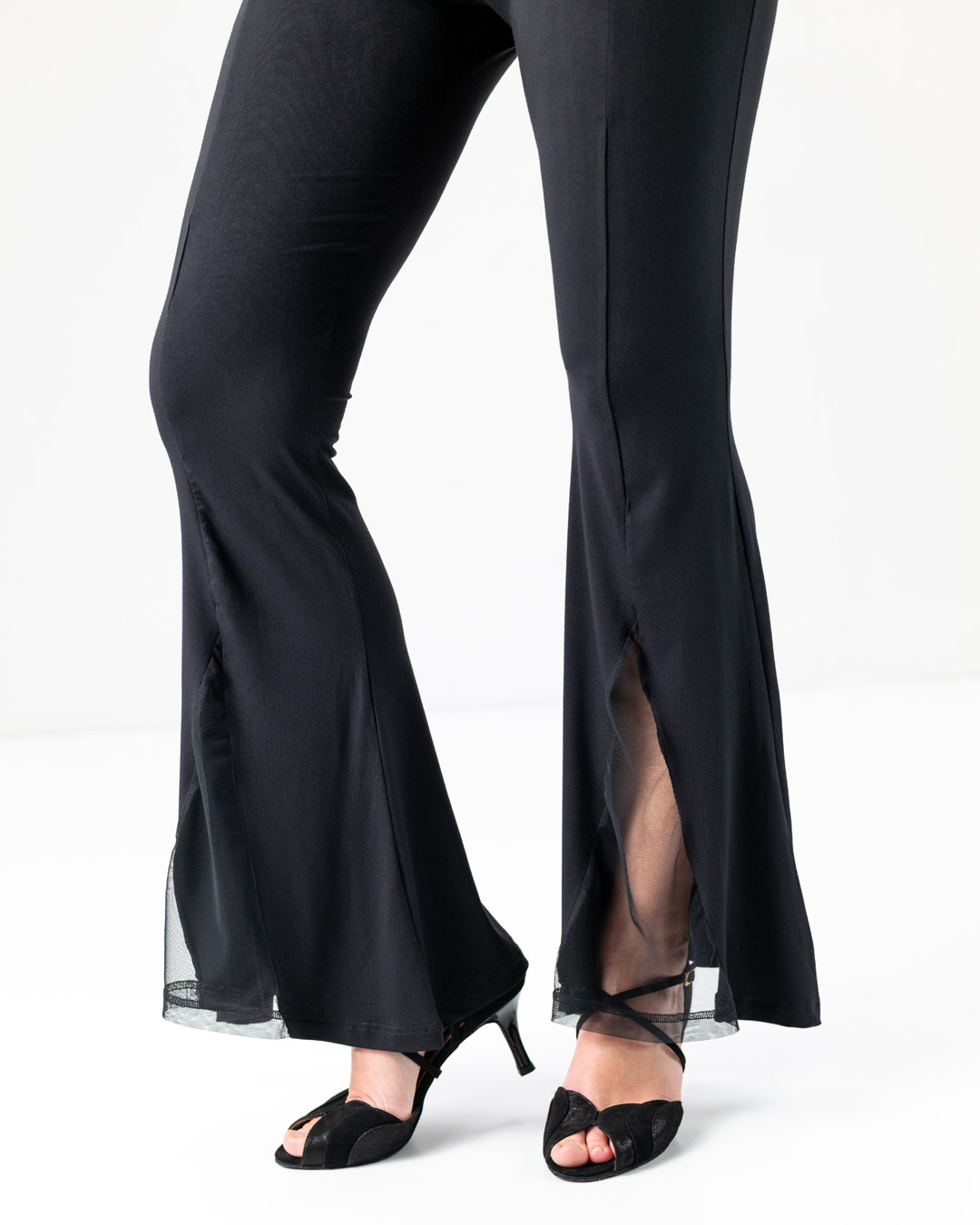
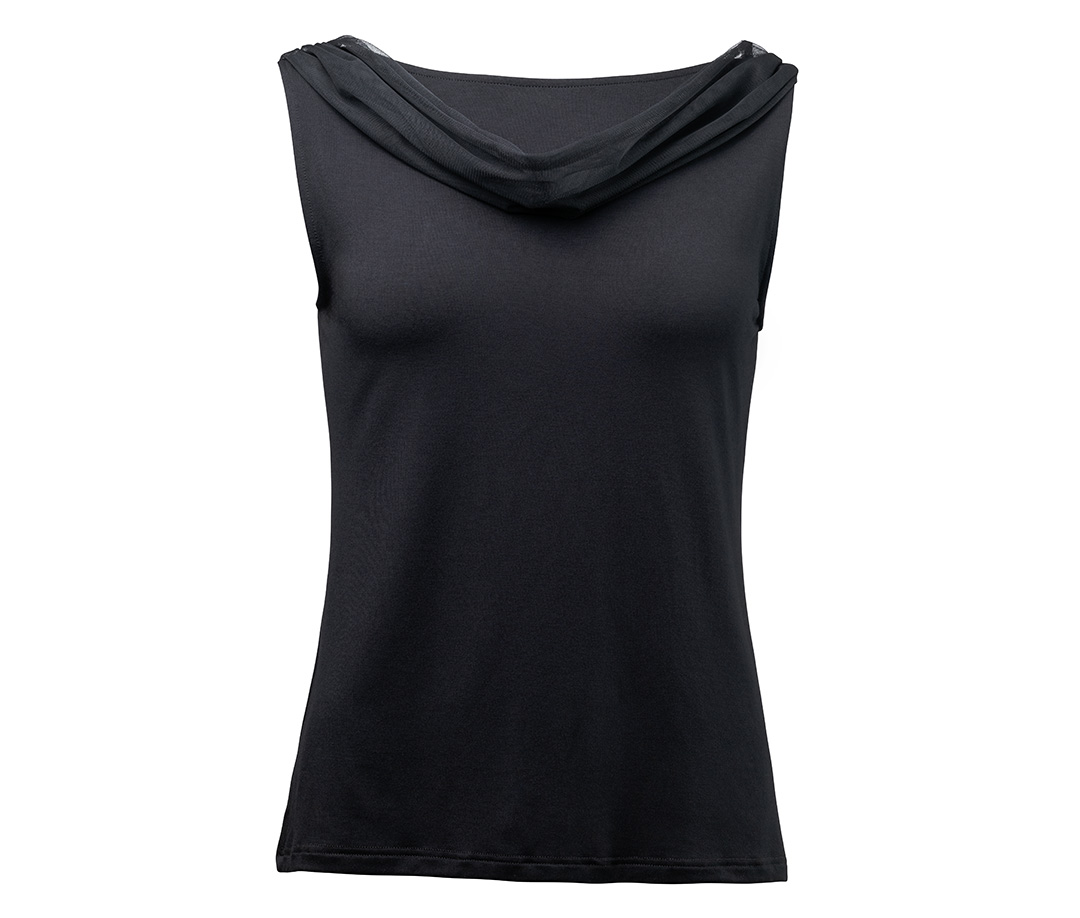
What clothing is suitable for dance students depending on the dance style?
Depending on the type of dance, some garments are more suitable than others. If you want to prepare for your dance class, you can use the following dress code as a guideline:
- Ballet: Ballet dancers often wear ballet leotards, tights, and dance skirts or tutus.
- Discofox: For dancing Discofox, figure-hugging dance pants or skirts are suitable, as long as they allow free movement and are not too stiff.
- Waltz: Waltz is a classic ballroom dance, best complemented by flowing clothing that supports turns and gliding steps.
- Ballroom (Standard Dance): For standard ballroom dances, fitted skirts, elegant trousers, and close-fitting tops are ideal. They should not get in the way, but still be stretchy and comfortable.
- Latin & Salsa: These styles involve strong hip movement and fast turns. Clothing should therefore be tight-fitting and elastic to emphasize movement.
- Zumba: Zumba is a fitness dance. Clothing needs to be breathable, stretchy, and moisture-wicking so you can move freely and really work up a sweat.
- Contemporary: Contemporary dance works best with flexible, comfortable garments that support floor work, flowing movements, and free interpretation.
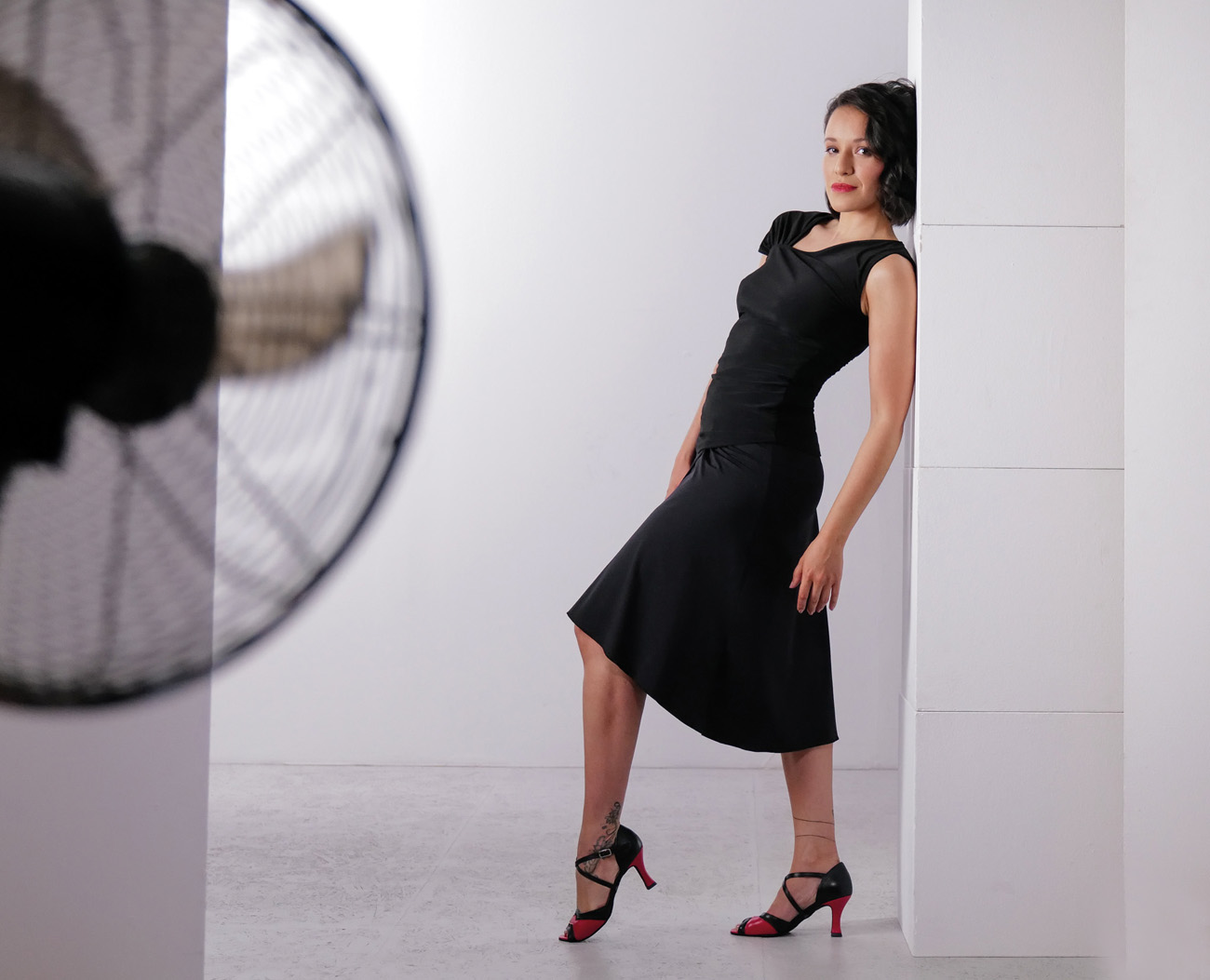
You’ve signed up for dance classes and are now wondering what you should wear? Whether it’s ballroom dances, Latin dances, or Latino styles – with the right clothing, you’ll enjoy your dance lessons much more. Learn more in our blog article on the topic of clothing for dance classes.
Preparing for Your Dance Class: Which Shoes Are Suitable for a Dance Course?
In addition to clothing, the right shoes are just as important. If you want to prepare properly for your dance class, you should also pay close attention to choosing the right footwear.
For beginners: no need to buy special shoes right away
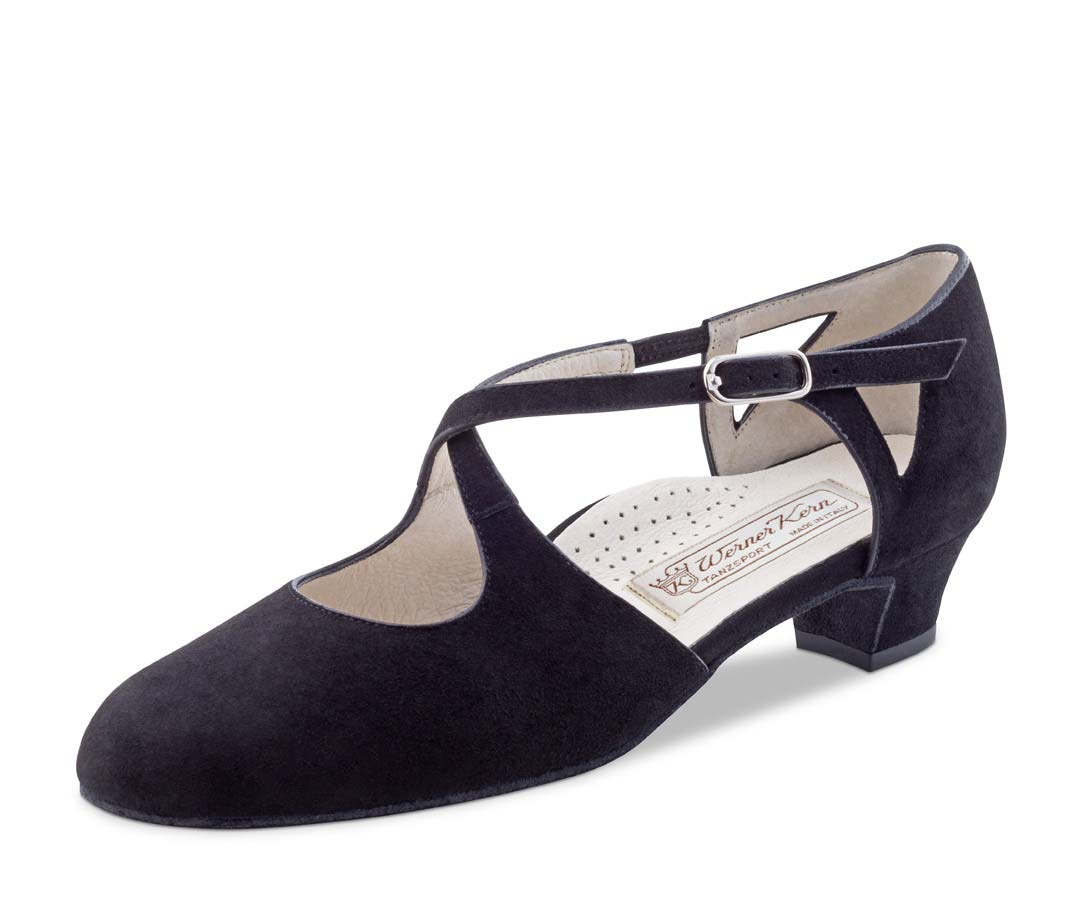
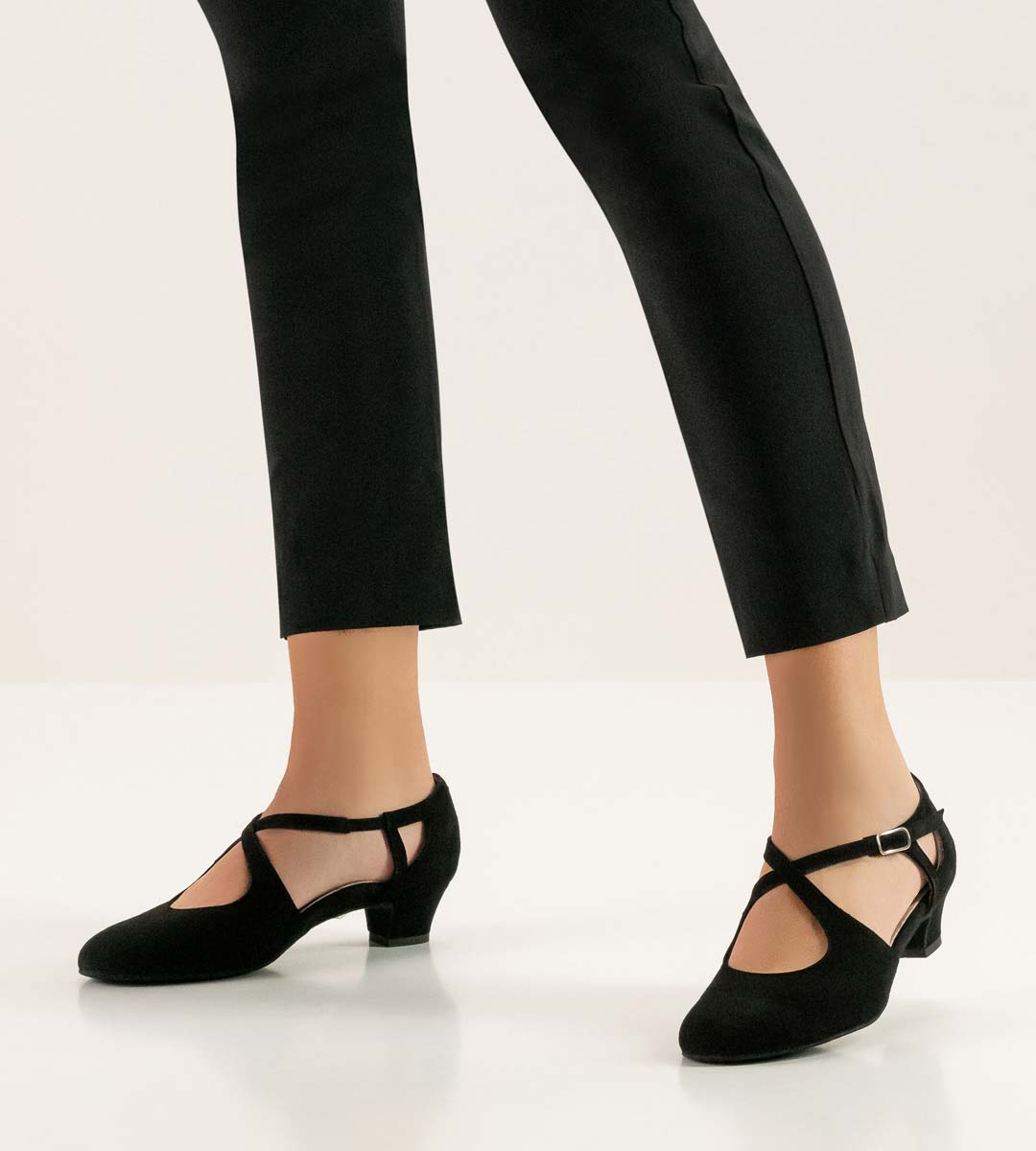
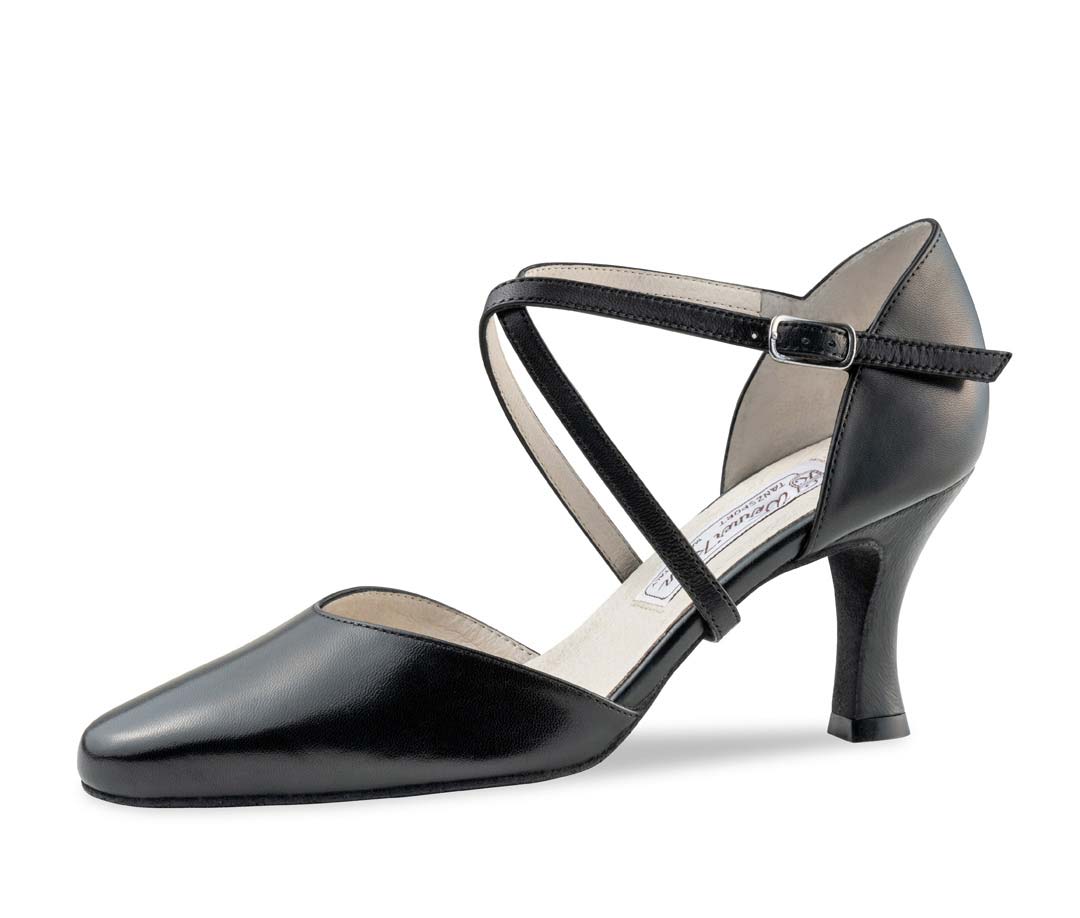
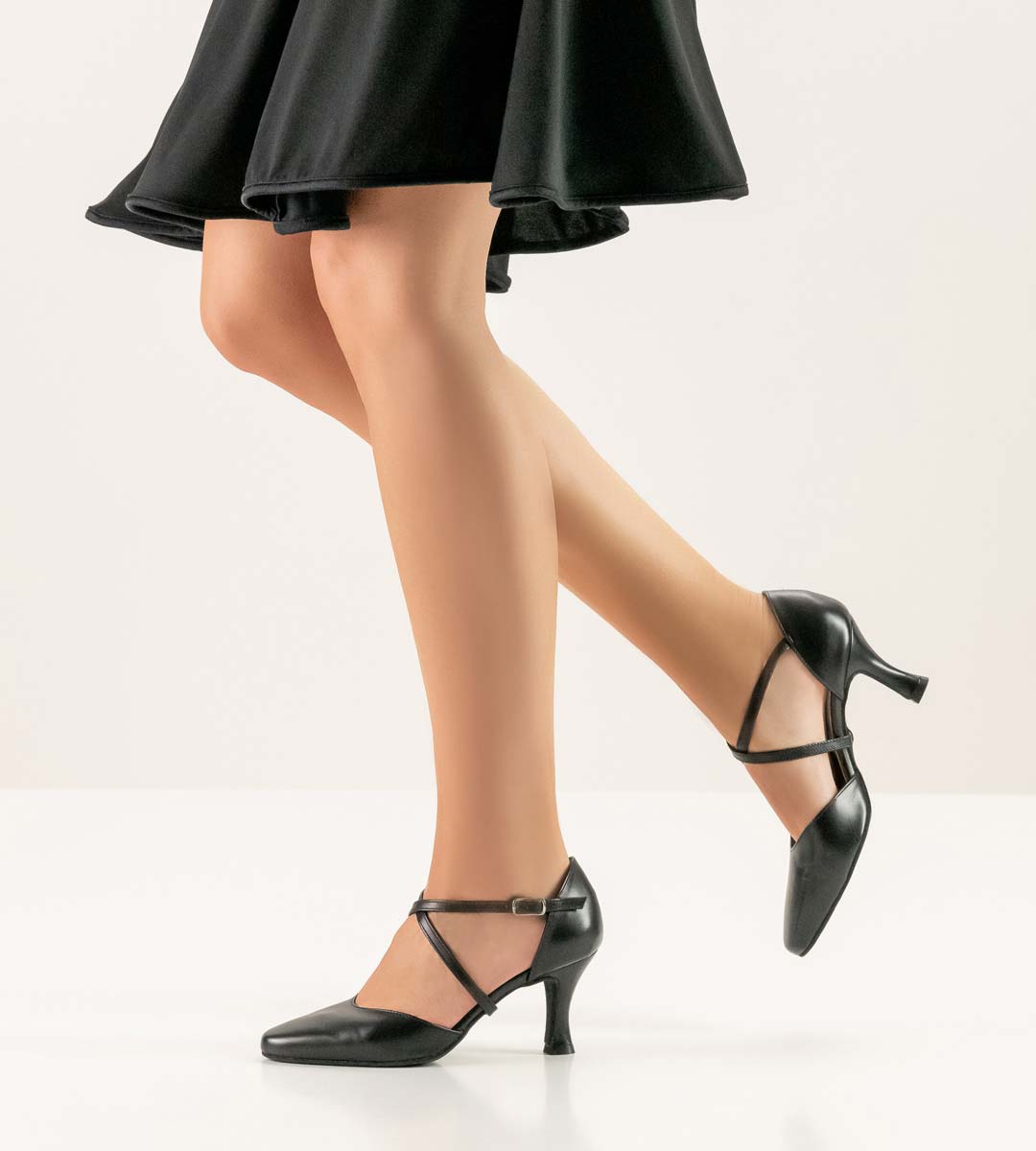
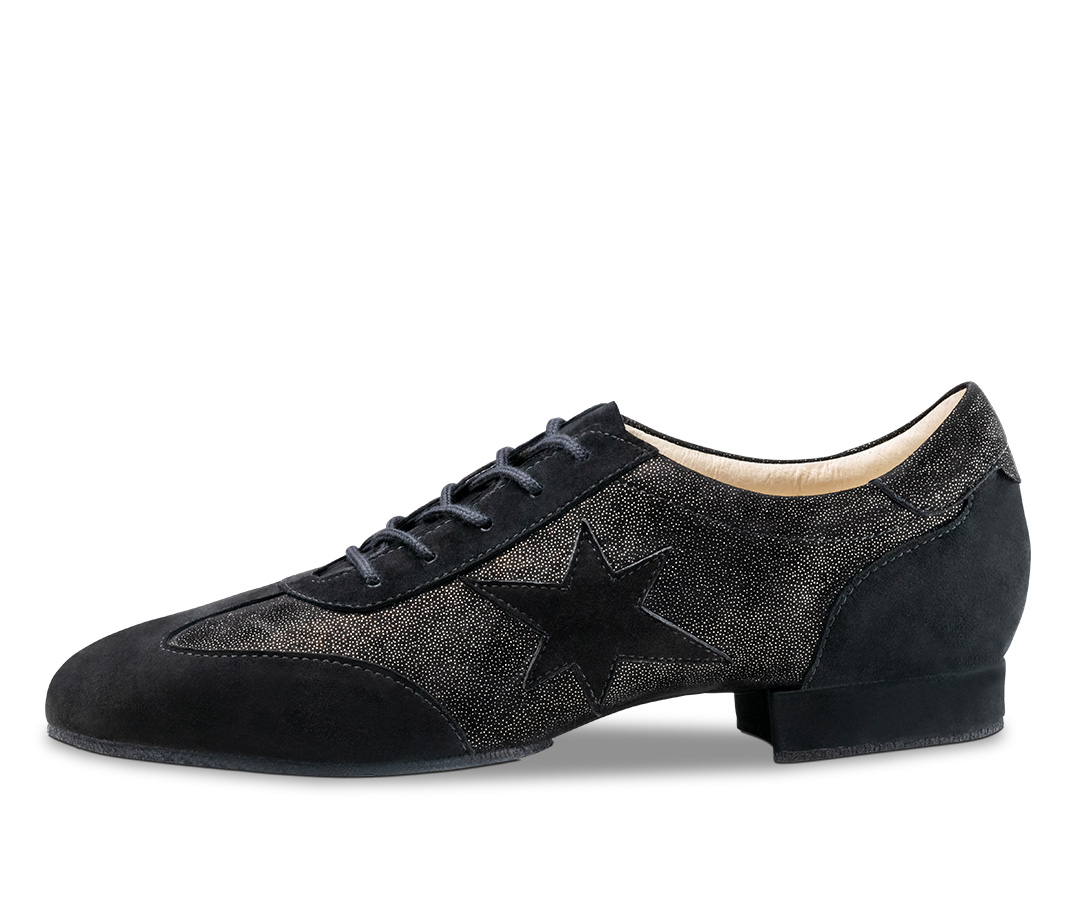
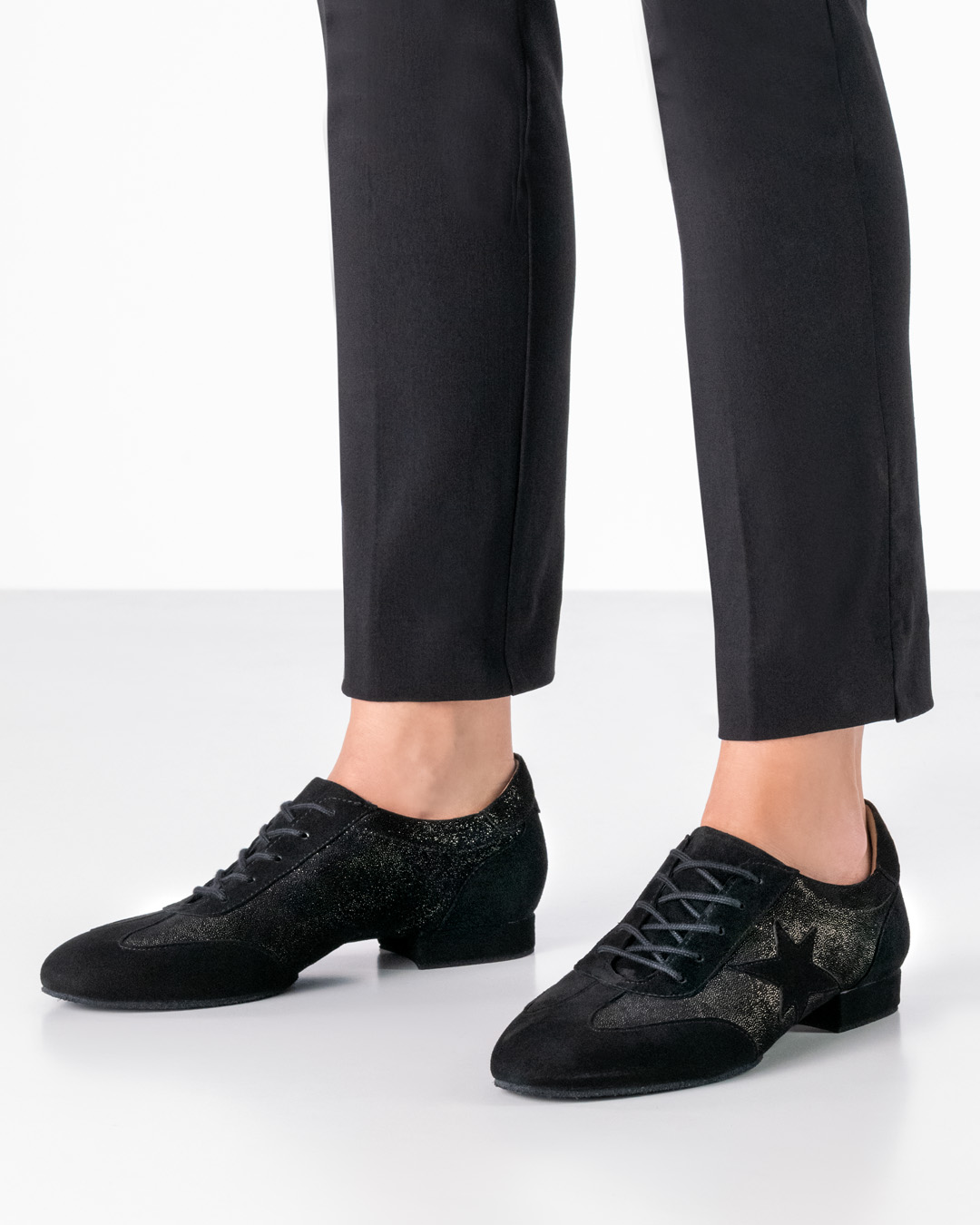
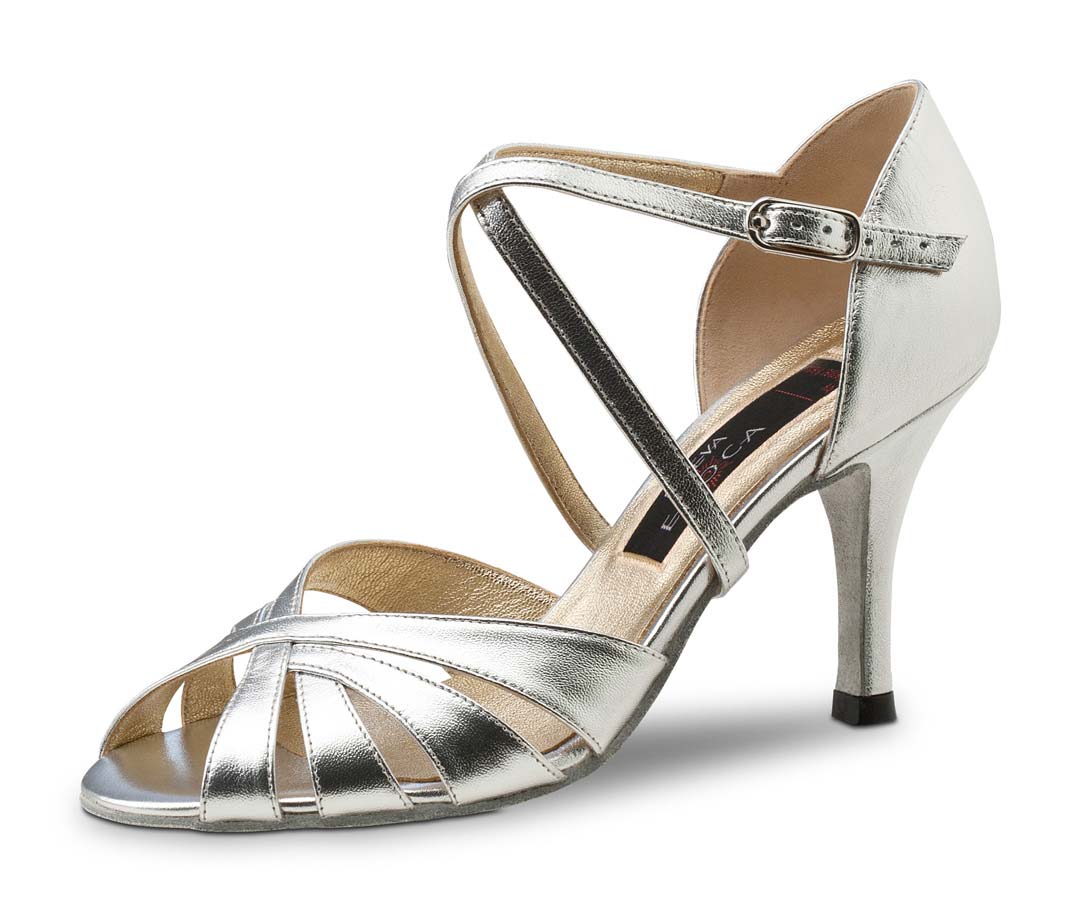
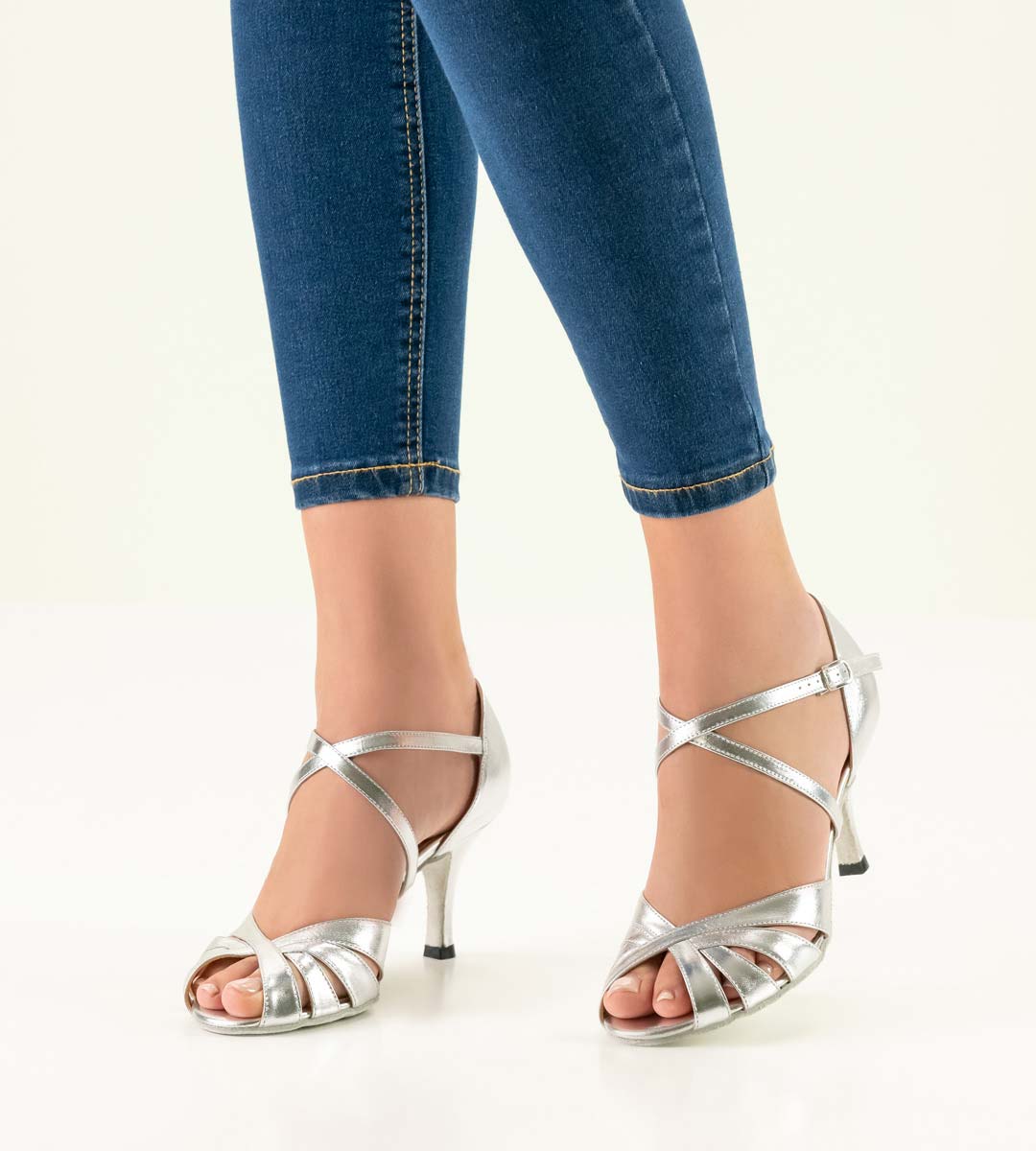
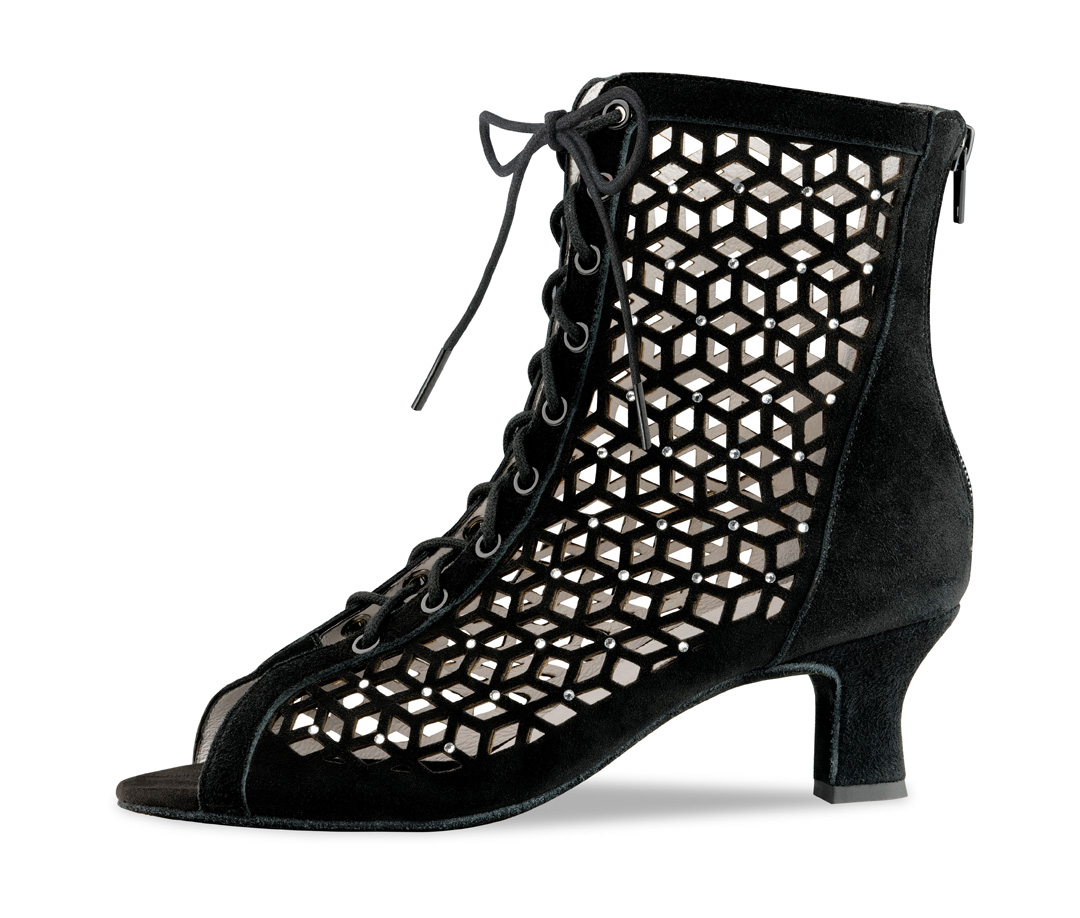
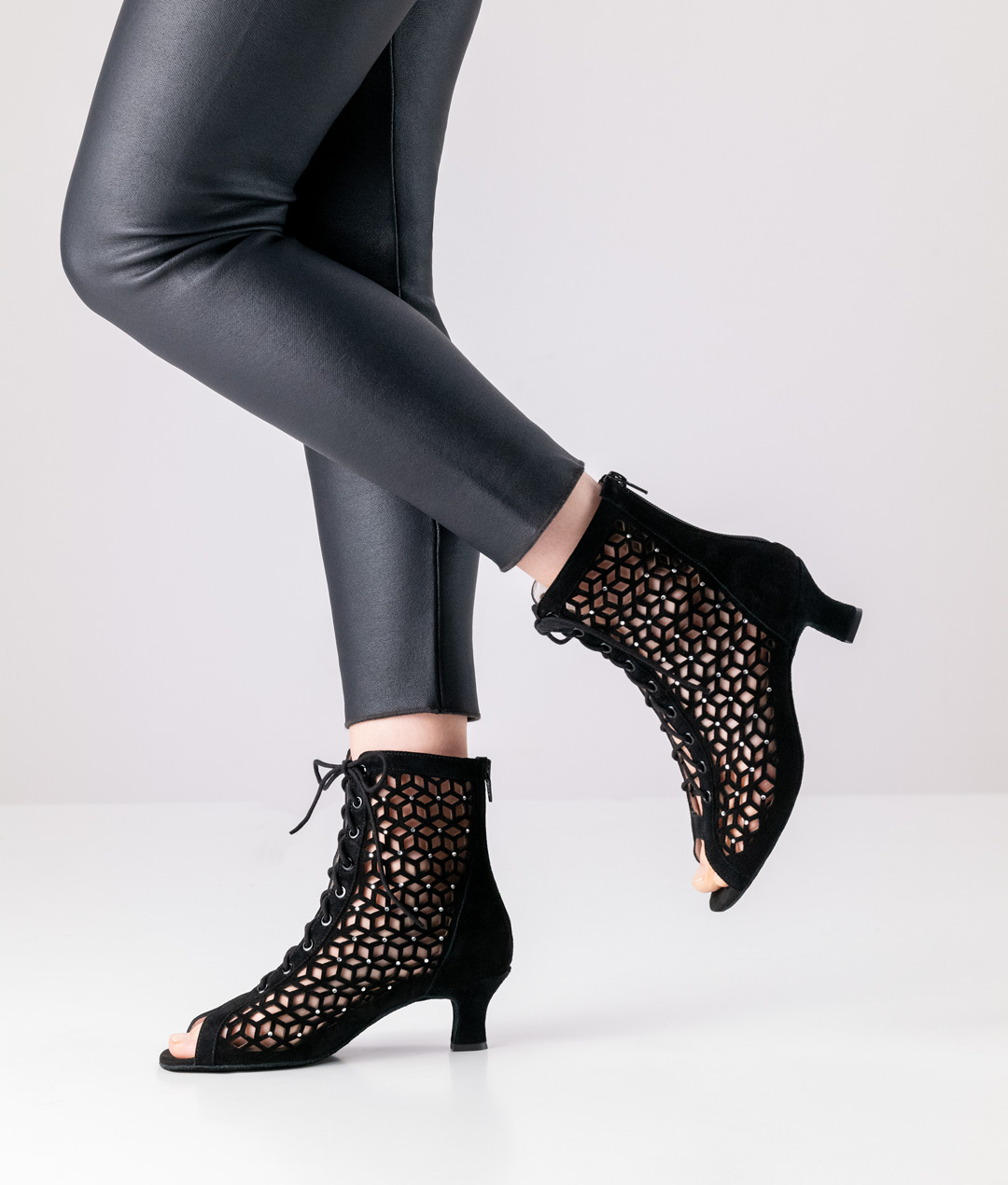
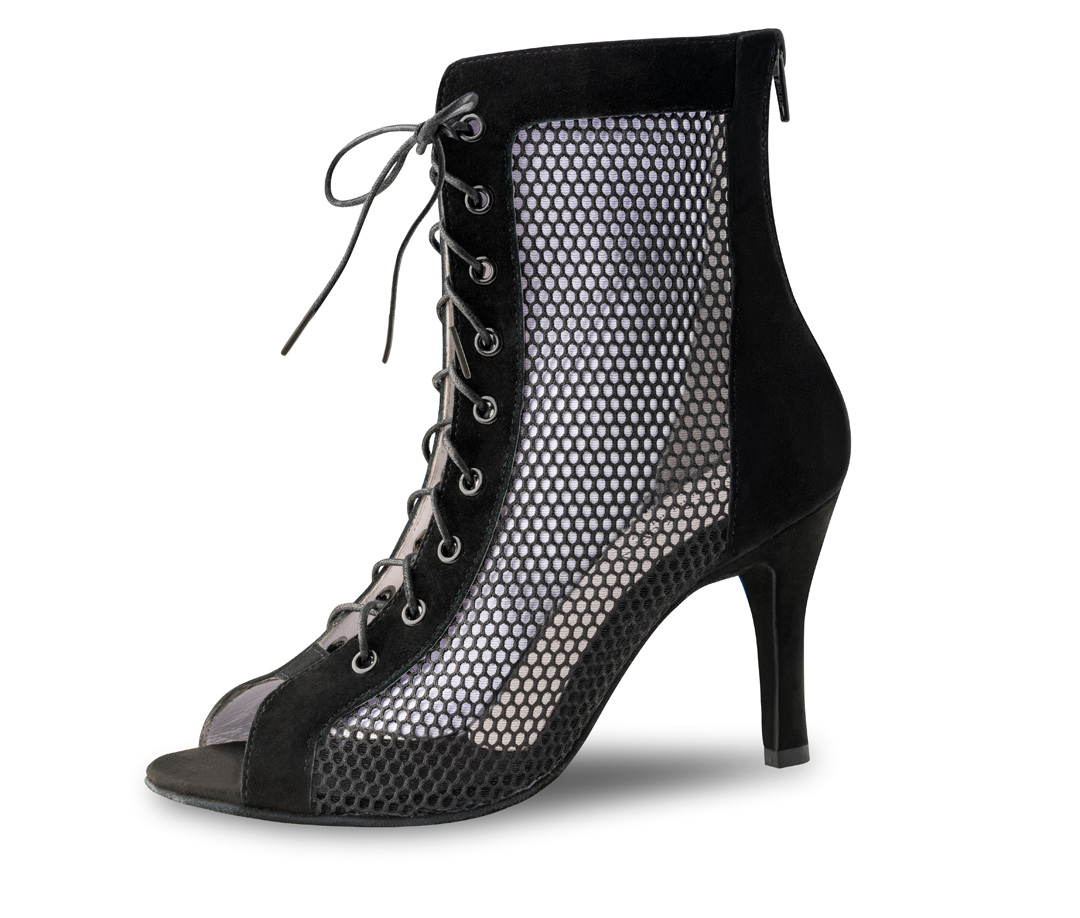
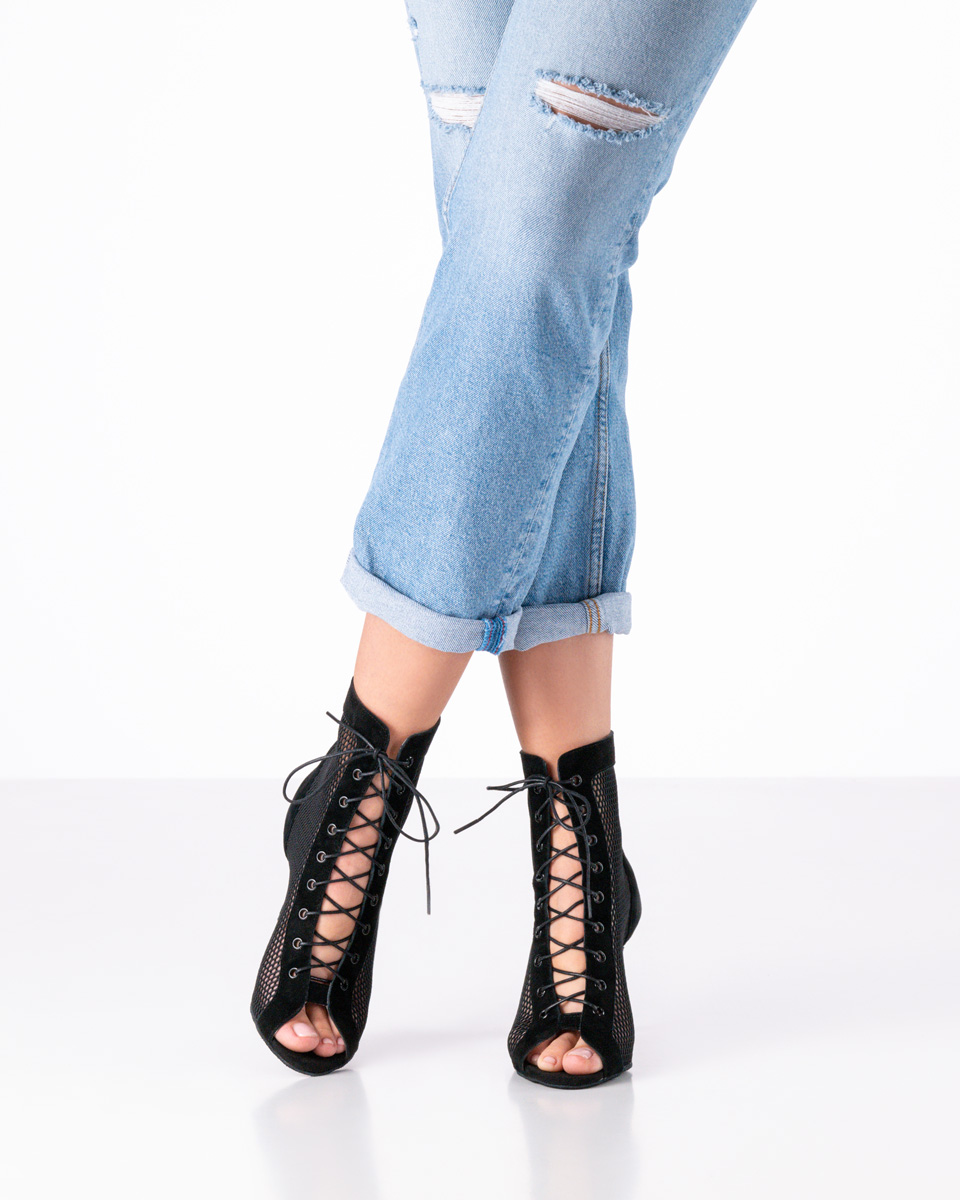
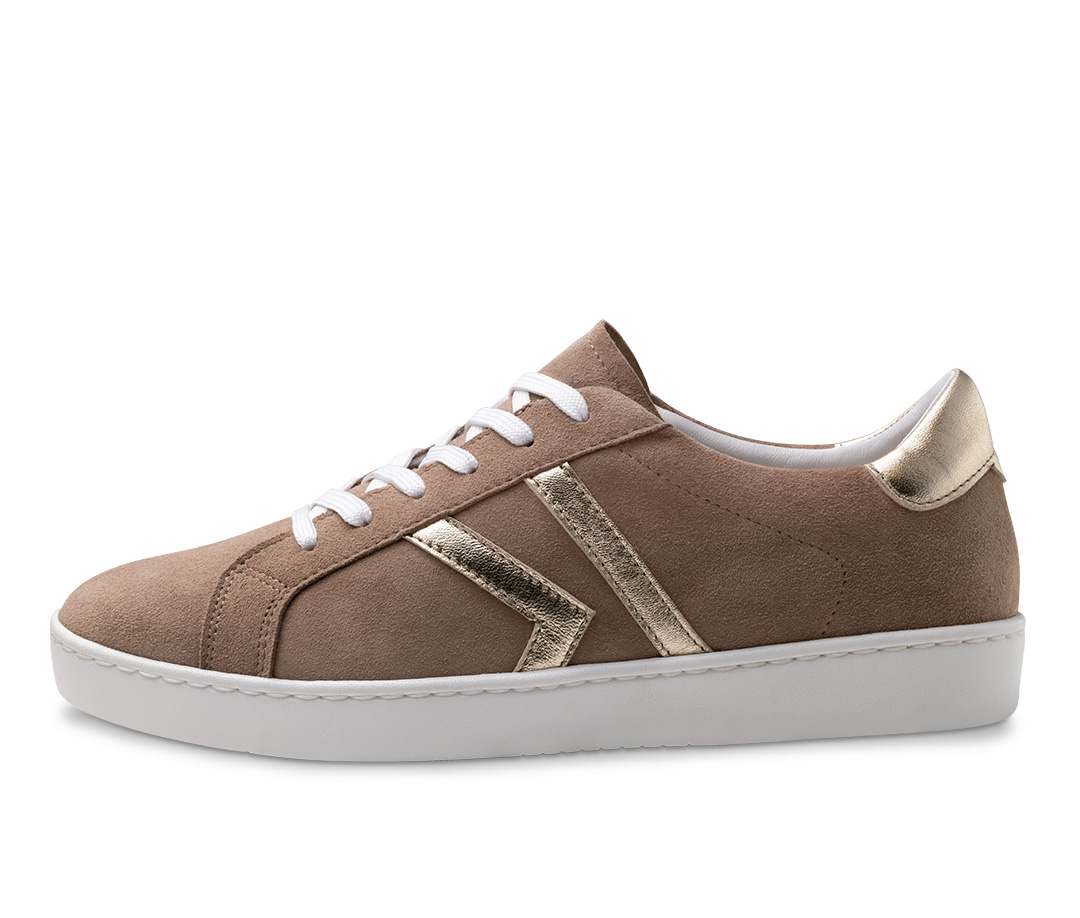
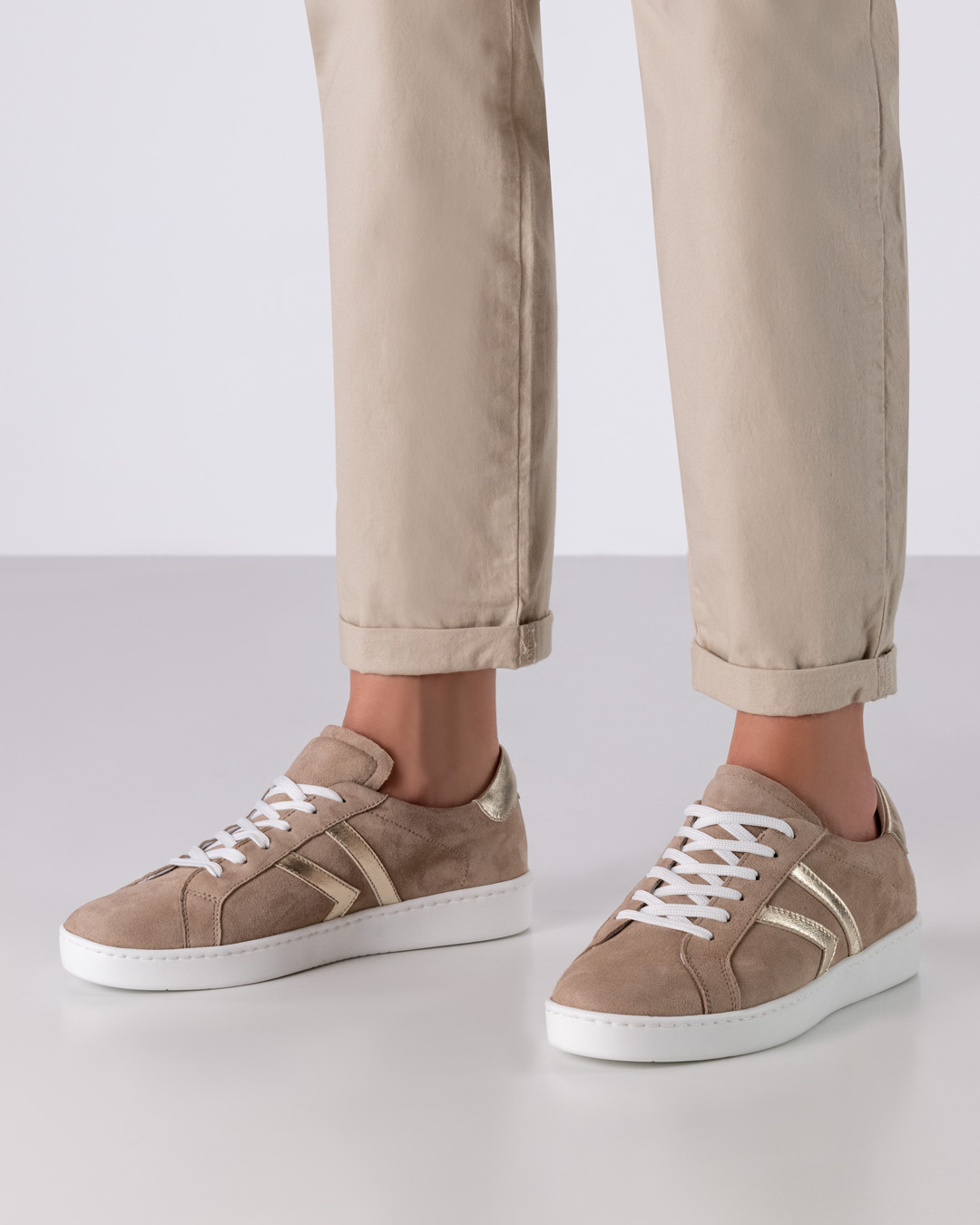
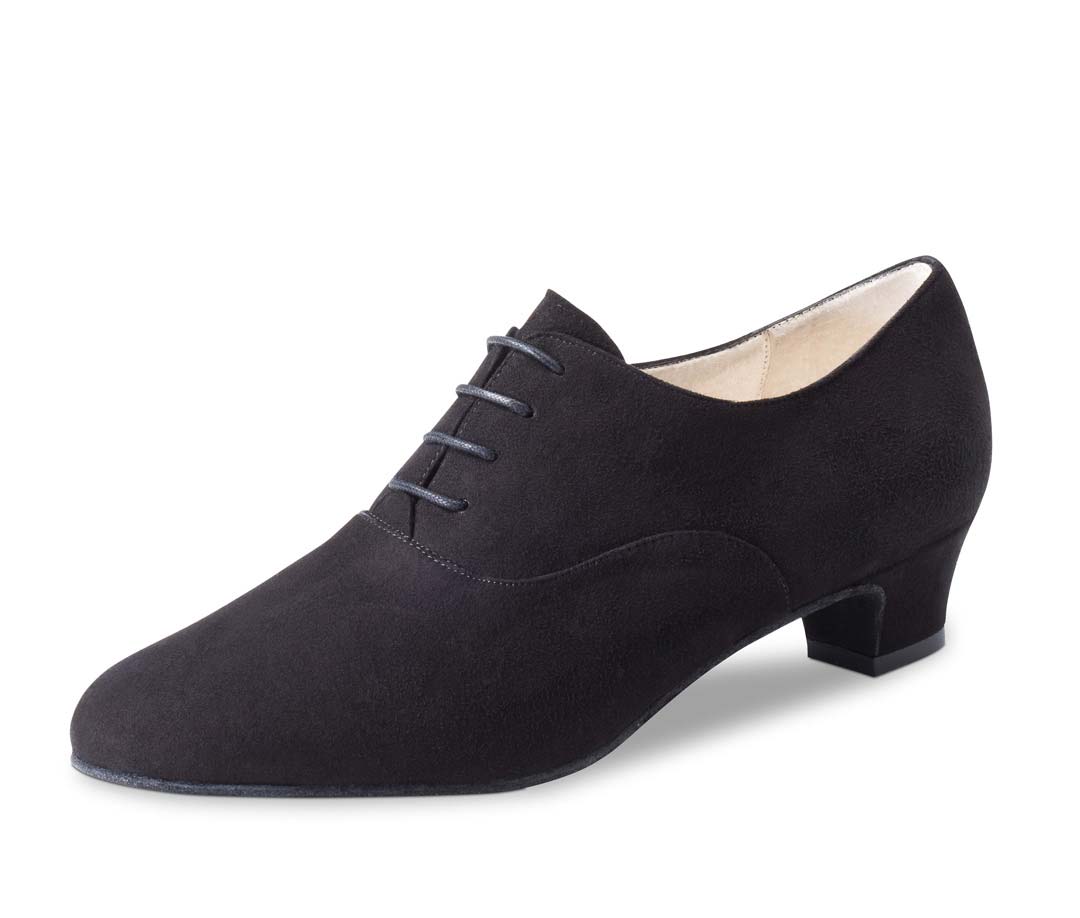
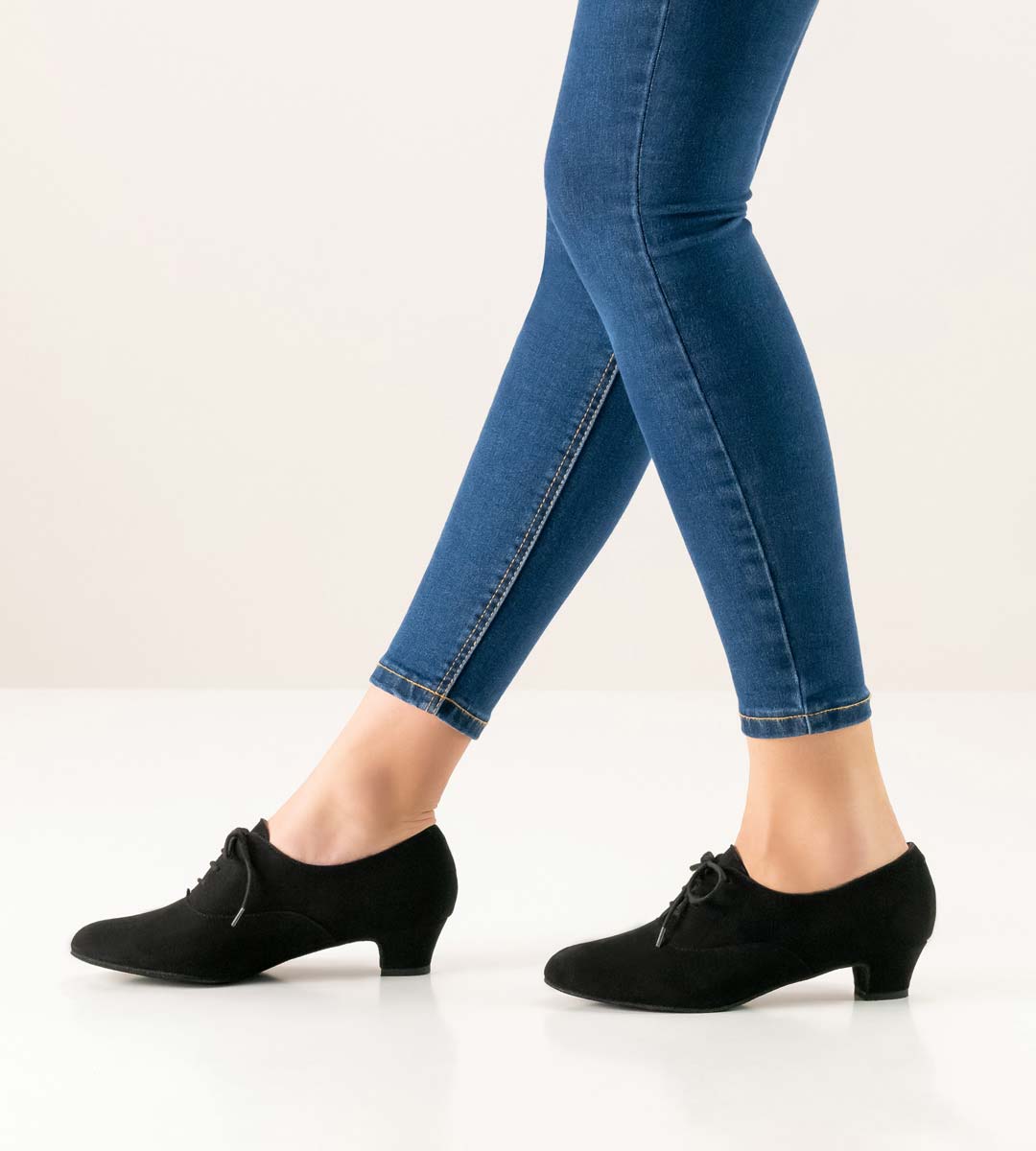
For your very first trial lesson, non-slip, closed everyday shoes with a flat sole that fit well are perfectly sufficient. However, if you attend regular dance classes or progress further, investing in dance shoes with a suede sole is worthwhile. They allow controlled gliding on the dance floor and help prevent injuries.
Practical checklist: What should you pack in your dance bag?
The must-haves
- Comfortable dancewear
- Suitable dance shoes or sneakers with a good sole for beginners
- Water bottle
- Small towel
Optional for extra comfort
- Band-aids or blister plasters
- Hair ties, hair clip, or a comb
- A notebook or a smartphone notes app to jot down important steps or tips from the instructor
- Snacks such as a banana or nuts for afterward
Preparing for your dance class: What role does mindset play?
- Realistic expectations & a learning mindset: Making mistakes is completely normal. Insecurities and errors are part of every dance class and an essential part of the learning process. With the mindset “I’m allowed to try things out and improve step by step,” you’ll approach new movements more relaxed and see corrections from your instructor as support rather than criticism.
- Openness & communication: Do you have specific wishes, expectations, or feel a bit unsure? Communication is part of preparing for your dance class. If you’ve signed up for a partner dance, talk openly with your dance partner beforehand. You can also let your instructor know if it’s your first time dancing or if you have any physical limitations, so they can better adapt the pace and explanations to your needs.
- A positive inner attitude: Optimism is part of the recipe for success in dancing. Before class, remind yourself that you’re there to have fun, and consciously release the pressure to do everything perfectly. With this mindset, it’s easier to handle challenging moments with humor and enjoy the dance course as a valuable break from everyday life.
QUOTE:
“Dance is the hidden language of the soul of the body.” – Martha Graham
How can you physically prepare for a dance class?
The right basic fitness
As a beginner, you can prepare for your dance class by building a basic level of fitness through walks, light cardio training, or simple strength exercises for your legs, core, and back. Of course, this is not a must! Anyone who dances regularly will gradually improve and build fitness step by step.
Warming up before the dance class
A short warm-up routine with gentle mobility exercises for the feet, knees, hips, shoulders, and back gets your circulation going and prepares your muscles and joints for the activity. Often, just a few minutes of easy walking, gentle joint circles, and light stretching are enough to help your body feel more flexible and make turns, weight shifts, and quick step sequences easier to practice.
Eating, drinking, and recovery
Before your dance class, opt for a light meal and allow enough time for digestion so you don’t feel heavy or sluggish on the dance floor. Also make sure to drink enough water and plan short breaks so your body can recover in between and you can stay focused until the end of the class.
Conclusion: How can you best prepare for your dance class?
Your first dance course doesn’t have to feel like jumping in at the deep end. If you prepare for your dance class – from comfortable clothing and suitable shoes to the right mindset – you create the best conditions for a successful start at the dance school. Most importantly, feel comfortable, stay open to new experiences, and give yourself time to learn the steps and movements. Feel free to communicate any insecurities with your dance instructor. Mistakes are just as much a part of the process as small moments of success. If you approach your dance class in a relaxed and joyful way, you’re usually already well prepared.
FAQ – Preparing for Your Dance Class
Yes. Many people only start dancing at 30, 40, or even later. Dancing promotes fitness, coordination, and self-confidence – regardless of age.
Depending on the dance style, you can try to learn the basics using videos or apps. However, regular dance classes with a qualified instructor ensure faster progress and cleaner technique through targeted repetition.