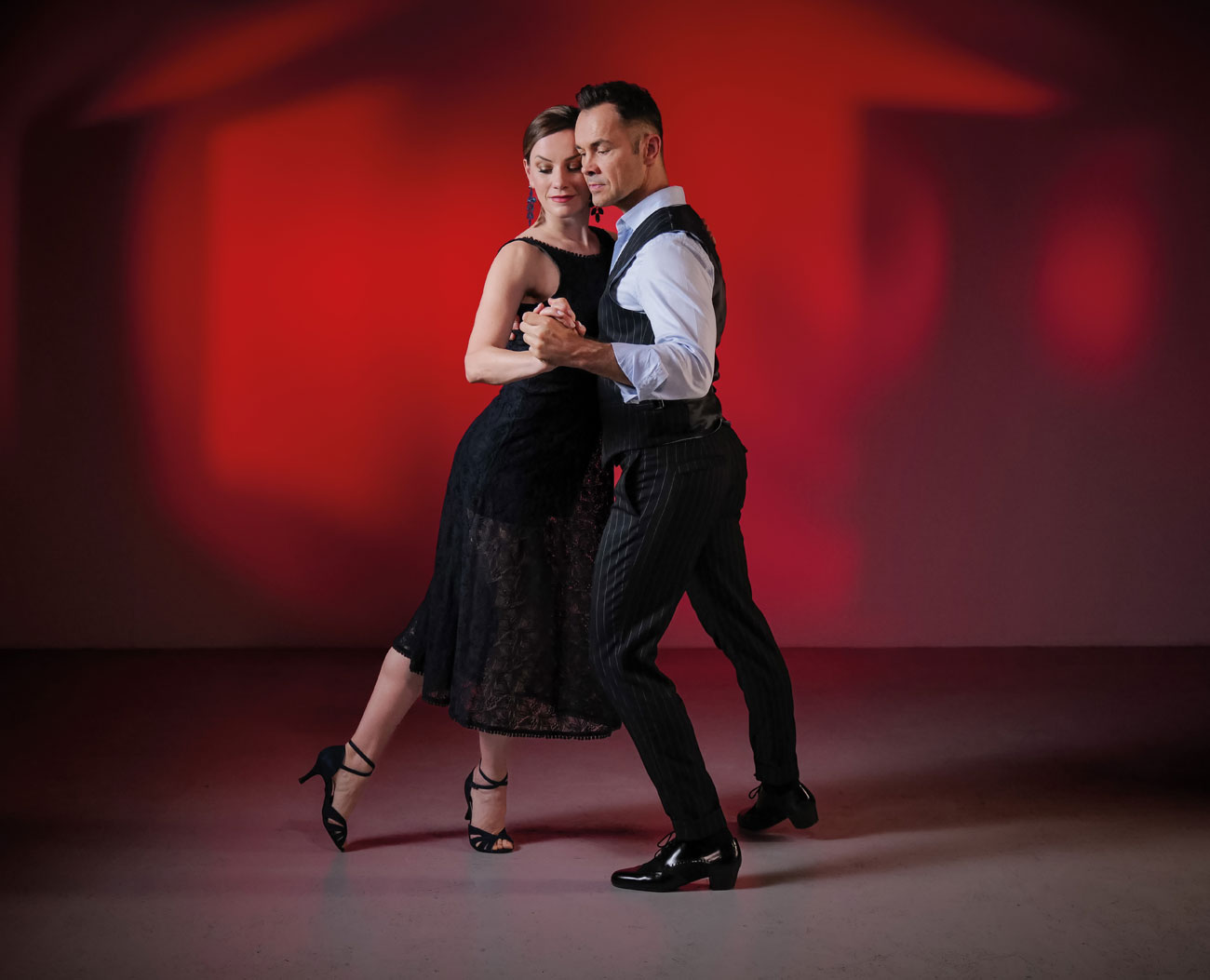
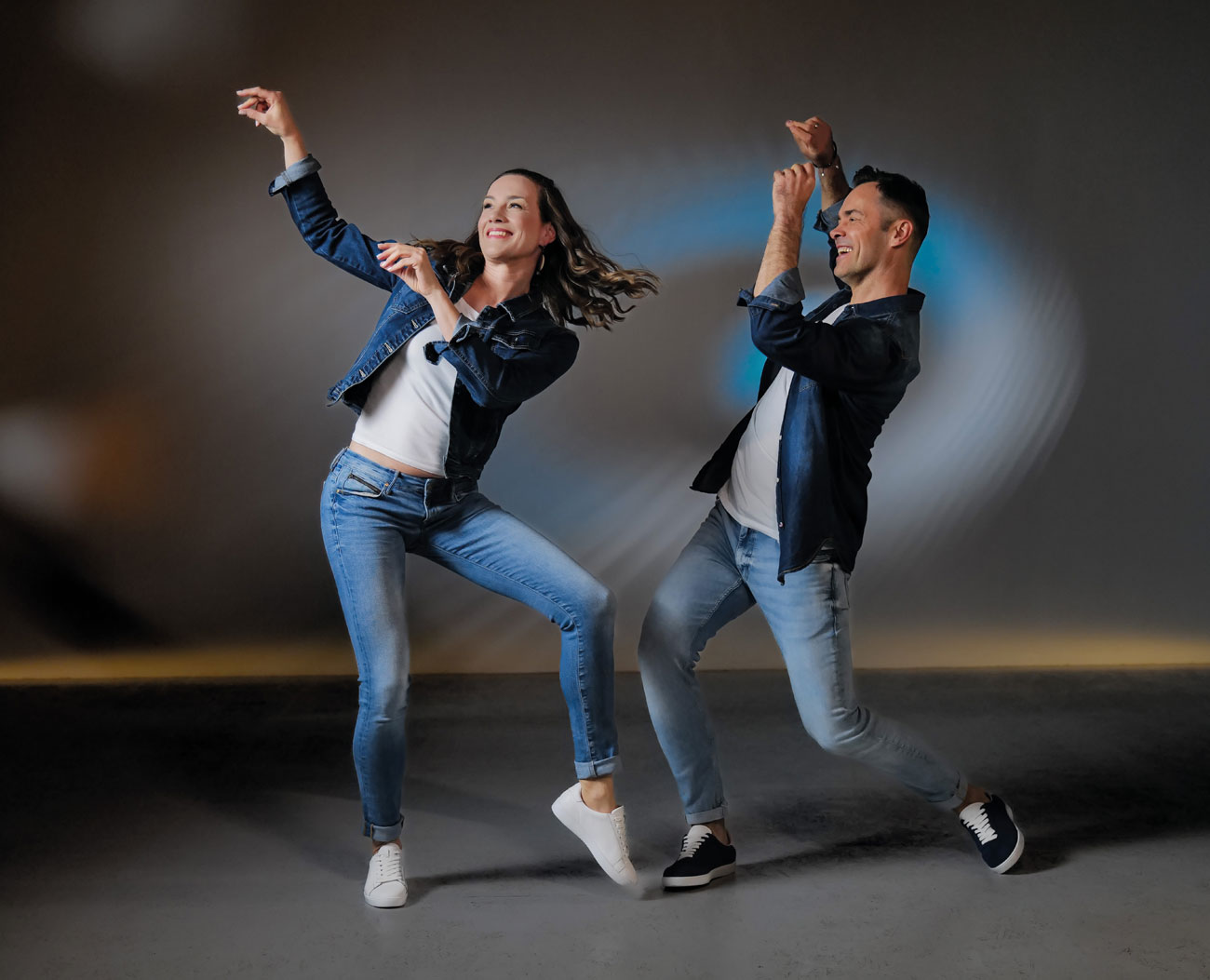
Many people know Line Dance mainly from film and television. Movies like "Urban Cowboy", saloon scenes in Western and country films, as well as music videos by well-known country artists show young and old standing on the dance floor, dancing together. "In a line" next to and behind one another, everyone synchronously repeats the same sequence of steps to classics like "Achy Breaky Heart" and "Cotton Eye Joe". What was once seen primarily in America or in film and television is now popular worldwide and has long since stopped being associated only with country music.
But what exactly is Line Dance and why is this dance form so popular? In this article we explain how Line Dance works, why the dance style is so popular, what music is danced to, what people typically wear and where you can try Line Dance yourself.
Line Dance at a glance
- What is Line Dance? Line Dance is a choreographed group dance in which several people dance the same step sequences in rows.
- Dancing without a partner: Everyone dances on their own, yet the shared choreography creates a real sense of community.
- For almost any genre of music: Today Line Dance is danced not only to country music, but also to pop, rock, Schlager or Latin.
- Easy to learn: Simple steps and recurring figures make getting started particularly easy.
- Suitable for any age: Thanks to various difficulty levels, beginners and advanced dancers can take part alike.
How does Line Dance work
Anyone who wants to understand what Line Dance is should pay attention to all the dancers on the floor as a whole. Line Dance is a choreographed dance form in which several people dance in rows in front of and beside one another. Unlike many other dances, there are no dance partners and no separation by gender. Instead, all dancers perform the same figures to the music at the same time.
The choreographies consist of various basic steps that are combined into fixed sequences. All figures are performed simultaneously. These are recorded in so-called step sheets and repeat over and over throughout a song. This allows dancers to learn the sequences quickly and dance together. In addition, turns and changes of direction are often incorporated, giving the dances their well-known dynamic.
Depending on the dance, the level of difficulty varies. The choreographies can, for example, consist of 16, 32, 48, 64 or 72 steps (counts) before the step sequence begins again. A distinction is also made between one-wall, two-wall and four-wall dances. Here the "walls" indicate the number of directions in which the dancers turn.
These are the most important basic steps of the dance form
- Grapevine: side step with crossing of the legs
- Step Touch: side step while the other foot lightly touches the floor
- Heel Strut: the foot is first placed down with the heel and then slowly rolled forward
- Step Turn: a step followed by a turn through a certain angle
- Coaster Step: step back, together and forward again
- Rumba Box: a rectangular step sequence from the rumba that is frequently used in Line Dance.
What makes Line Dance such a popular dance form?
- Line Dance is a solo dance in company: you dance in a group and need no dance partner to do so
- For every musical taste: There are virtually no limits to the genre of music in Line Dance. You can dance Line Dance in the classic way to country music, but just as well to modern pop music, rock, swing or hip hop.
- Line Dance connects people: Many choreographies are danced worldwide. As a result, dancers can often join in directly at events – even if they don't know the other participants.
- Quick to learn: Simple step sequences can be mastered in just a few minutes.
What does the dance floor look like?
At dance events, different dance forms often come together. The dance floor can then be divided into different zones in which you move depending on the dance form. The centre is reserved for the group dance. Line dancers dance facing the stage or the audience and share the area with swing dancers. Around them are two circles for couple dancers: an inner circle for slow dances and an outer circle for faster couple dances.
Line Dance etiquette: the most important rules
Dos
✓ Wait until a dance has finished or walk around the outside instead of crossing through dances in progress.
✓ Be considerate of other dancers and pay attention to the available space.
✓ If unsure, choose a spot at the edge of the formation.
✓ Use free spaces or start a new row instead of squeezing into existing rows.
✓ Support beginners and be considerate of their pace.
✓ Stay polite and apologise in the event of accidental collisions.
✓ Hold conversations and explanations beside the dance floor.
Don'ts
✗ Bringing drinks and food onto the floor.
✗ Stopping to chat.
✗ Blocking the outer areas.
✗ Starting new dances when another dance is already in progress and there is little space.
✗ Squeezing in between people who are dancing.
✗ Dancing big variations when doing so gets in others' way.
✗ Using the floor for show or competition performances.
Are there different types of Line Dance?
Anyone who has understood what Line Dance is will quickly notice that Line Dance is not always the same thing. The dance style has evolved over time and today encompasses various stylistic directions. They differ above all in the music, the step sequences and the dance style. Among the best-known variants are Modern and Catalan Style.
Modern Line Dance
Modern Line Dance is particularly popular. It is danced not only to country music, but also to current pop, rock, disco or Latin hits. The step sequences are often varied, take up elements of different dance styles such as salsa, disco or waltz, and thereby appeal to a broad audience.
Catalan Style
The Catalan Style comes from Spain and is characterised by particularly precise step sequences and frequent changes of direction. Many dances are performed without so-called "tags" or interruptions, which makes this style especially appealing to experienced line dancers.
Where does Line Dance come from?
The exact origins of Line Dance are not clearly documented. According to some sources, the roots of the dance style lie in European folk dances that were brought to North America by emigrants and adapted by the cowboys. Other theories hold that Line Dance has its roots in the 1950s in the USA. Line Dance became well known above all in the USA and gained international attention in the 1980s through the growing popularity of country music as well as films like Urban Cowboy. Today Line Dance is danced worldwide and is long since no longer limited to country music.
What kind of music is Line Dance danced to?
"Achy Breaky Heart" by Billy Ray Cyrus or "Cotton Eye Joe" by Rednex – Line Dance is often associated with pieces of music from country music. In reality, however, people nowadays dance to many different genres of music. In addition to classic country songs, pop, rock, Schlager, disco, Latin or modern chart hits are also used. There are suitable choreographies for almost every genre of music. This makes Line Dance especially versatile and appeals to people with very different musical tastes.
Line Dance vs. Square Dance: what are the differences?
Despite the fairly similar terminology, Line and Square Dance are two completely different dance styles. While Line Dance involves fixed choreographies, in Square Dance there is a so-called caller who announces the next step sequence spontaneously. In addition, Square Dance is danced with four couples, whereas Line Dance allows the individual participation of many dancers.
What outfit do you wear for Line Dance?
When it comes to dance clothing, many line dancers take their visual cues from typical Western wear and wear, for example, jeans, checked shirts or cowboy hats. A decorative buckle and a leather cord worn around the neck (a bolo tie) are also popular.
However, this clothing is not a must. Depending on the event and personal taste, both casual everyday wear and country outfits are common. Depending on where you learn Line Dance, wearing Western clothing tends to be the exception rather than the rule.
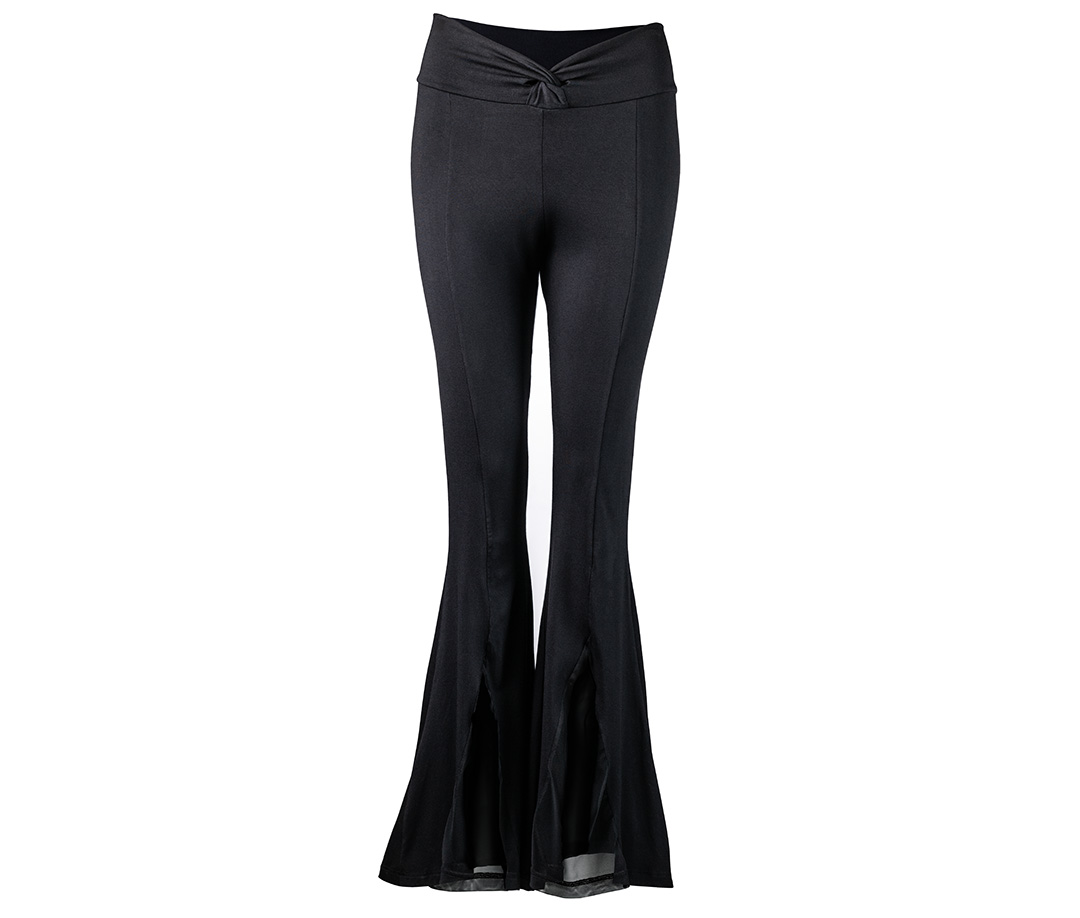
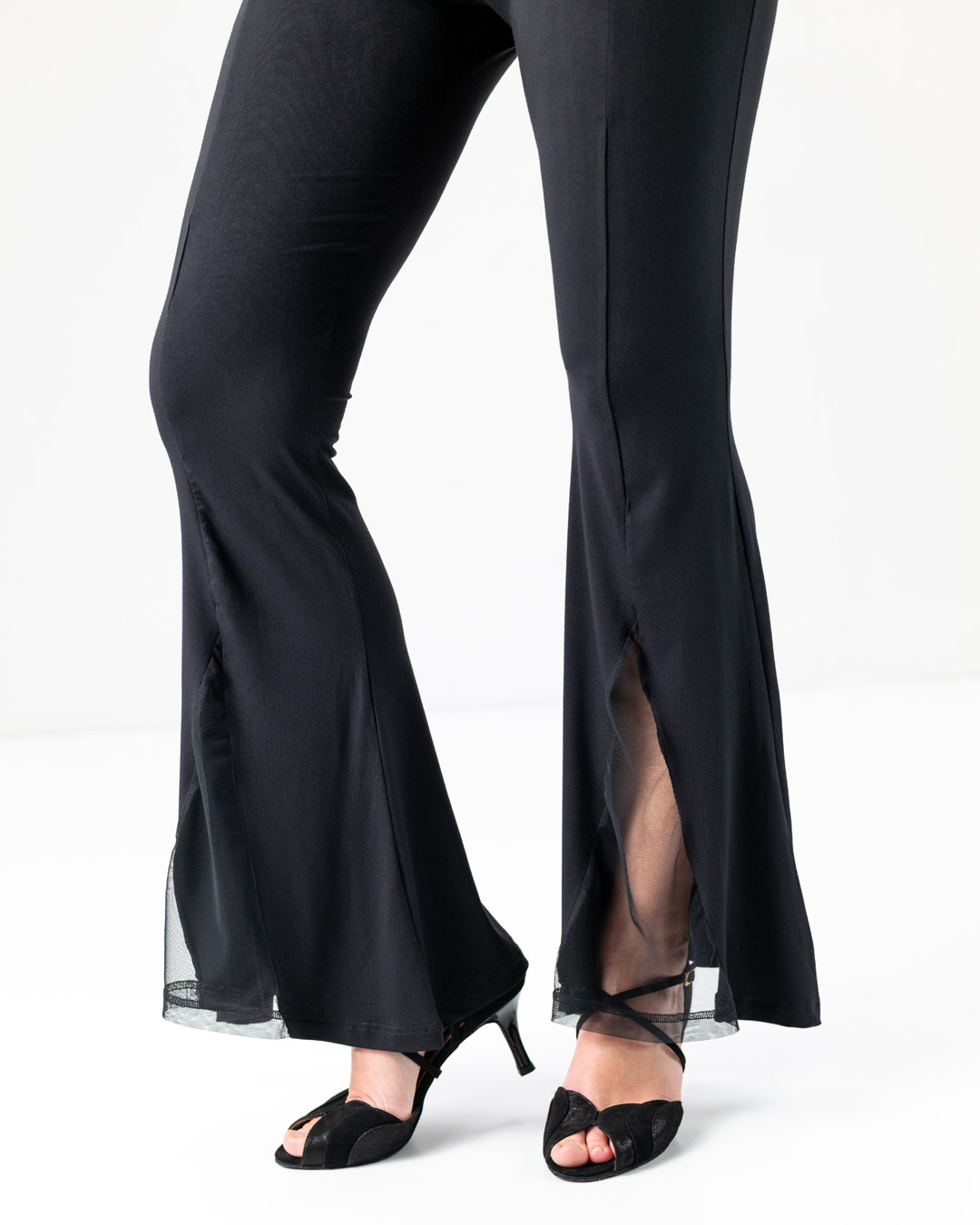
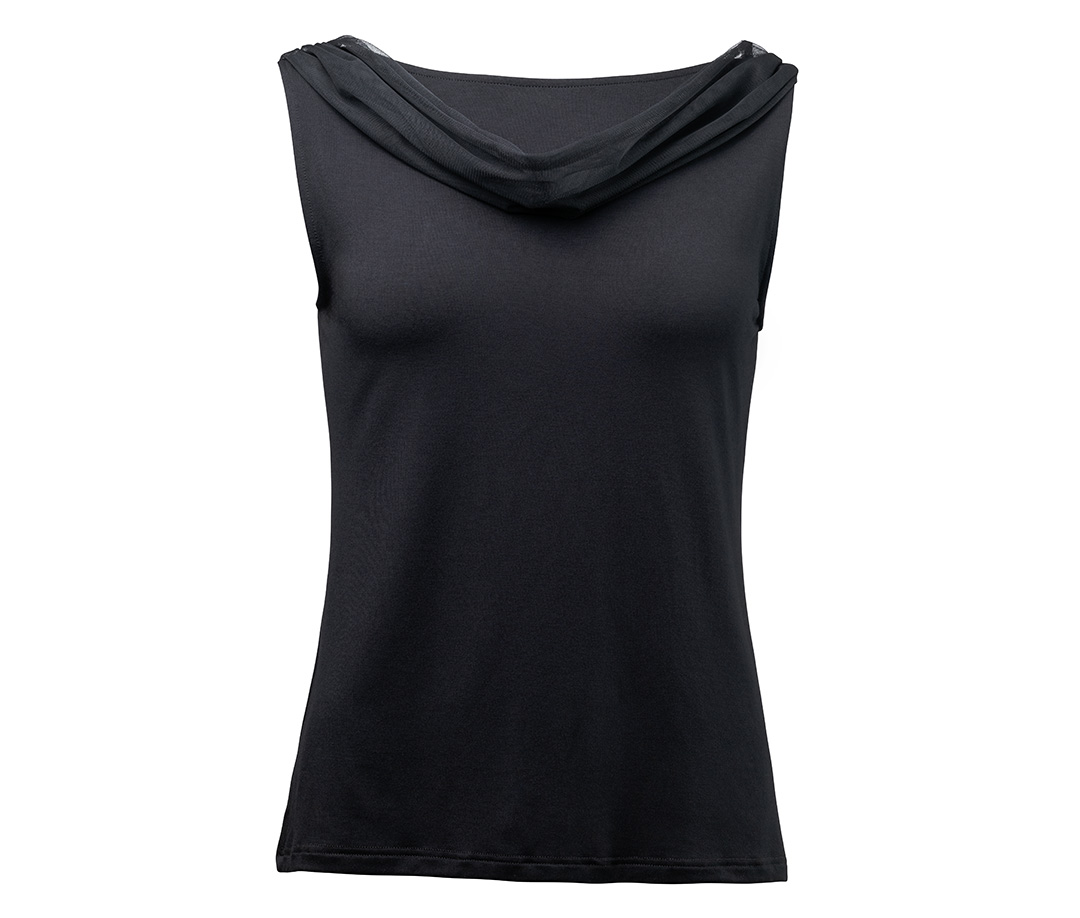
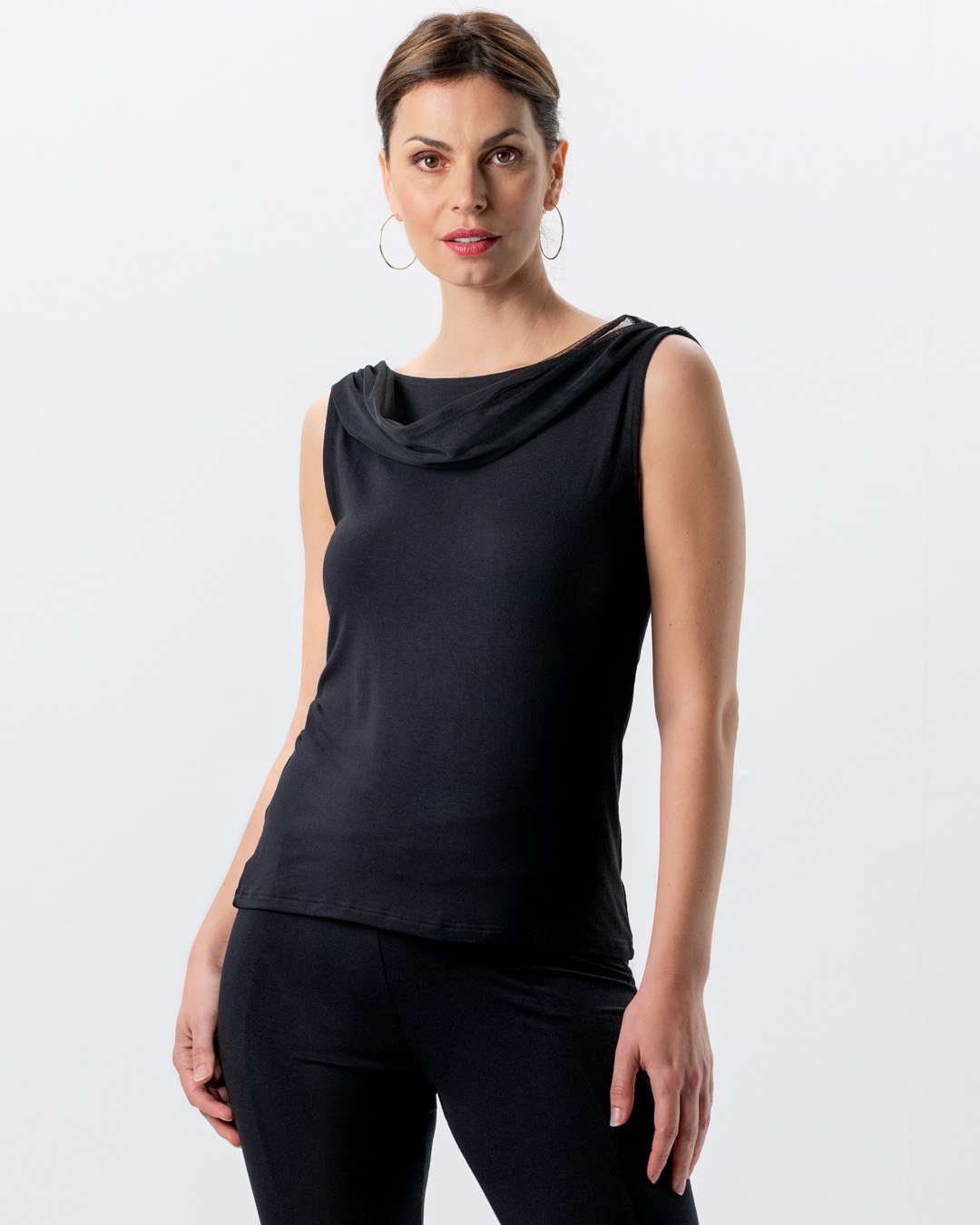
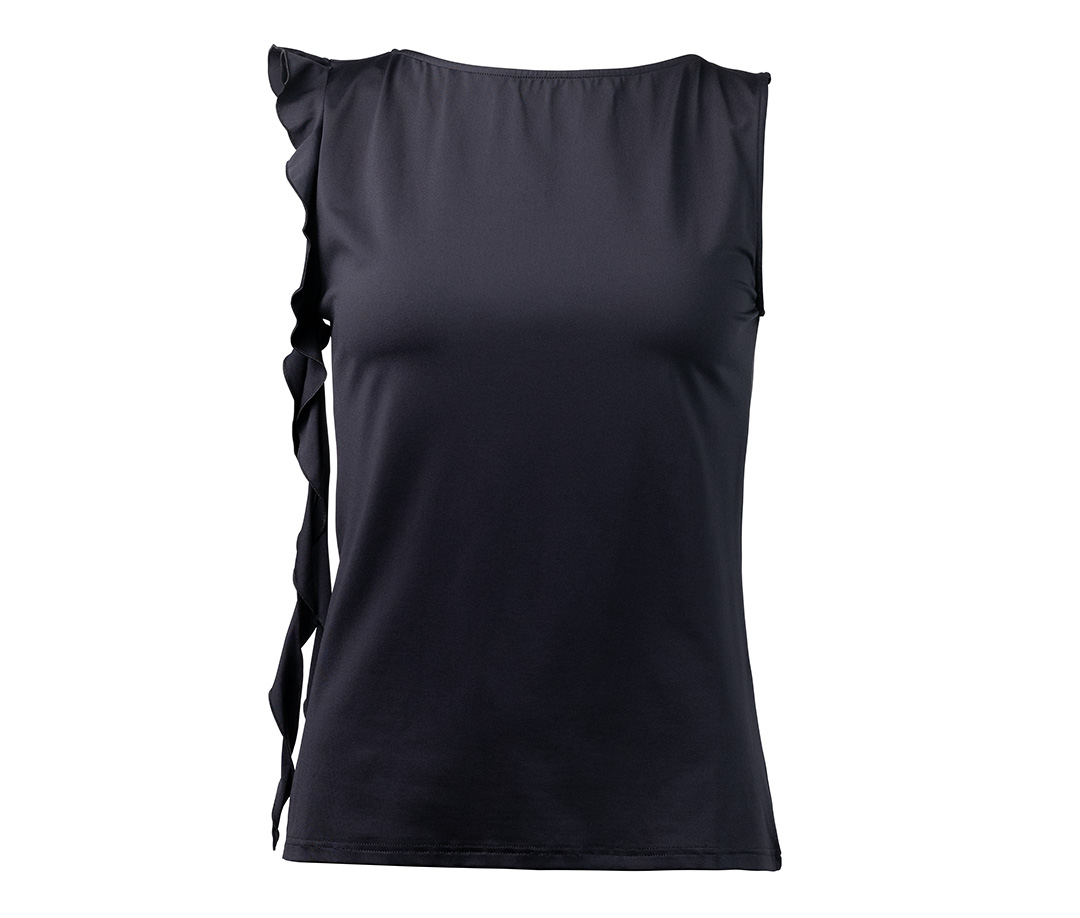
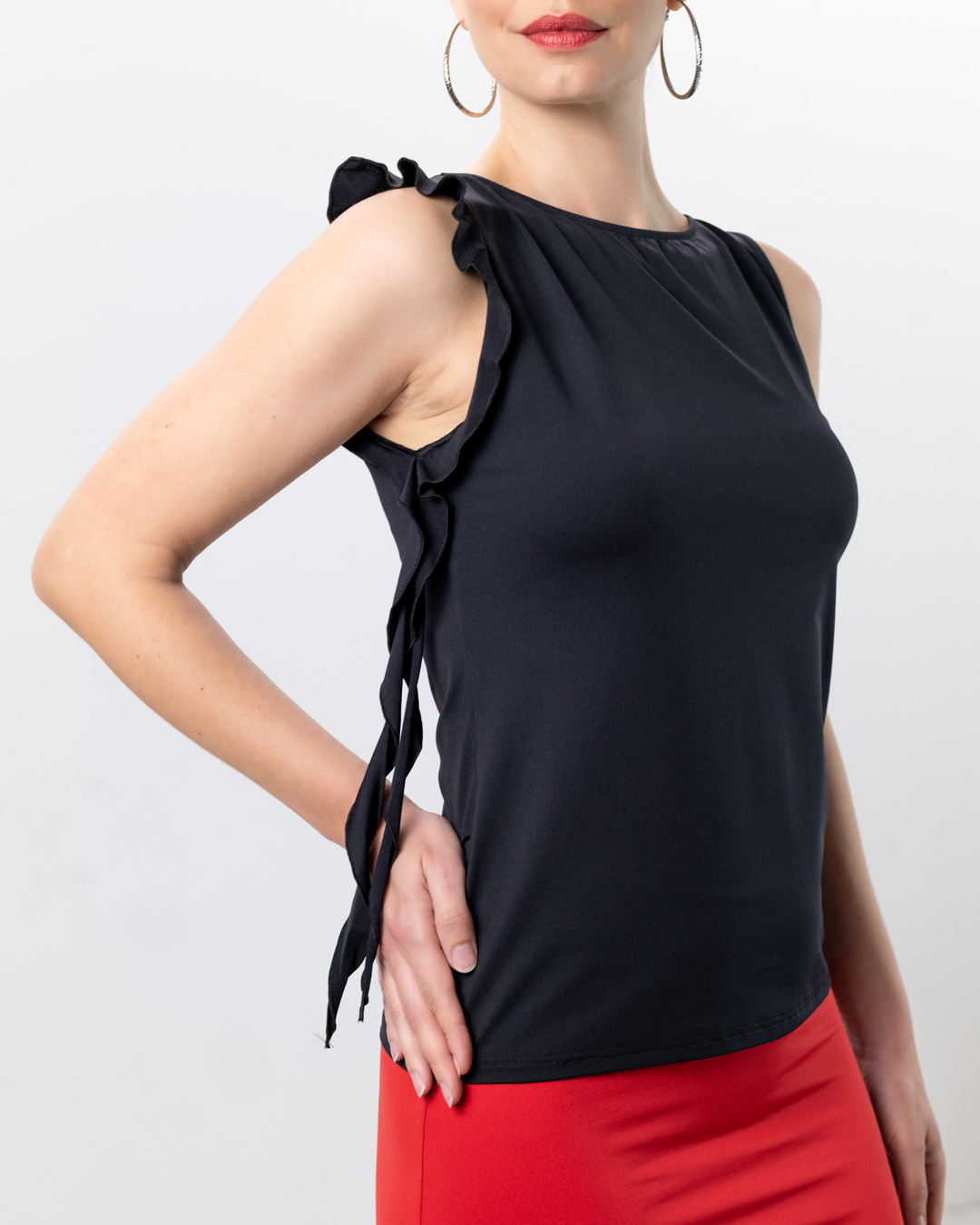
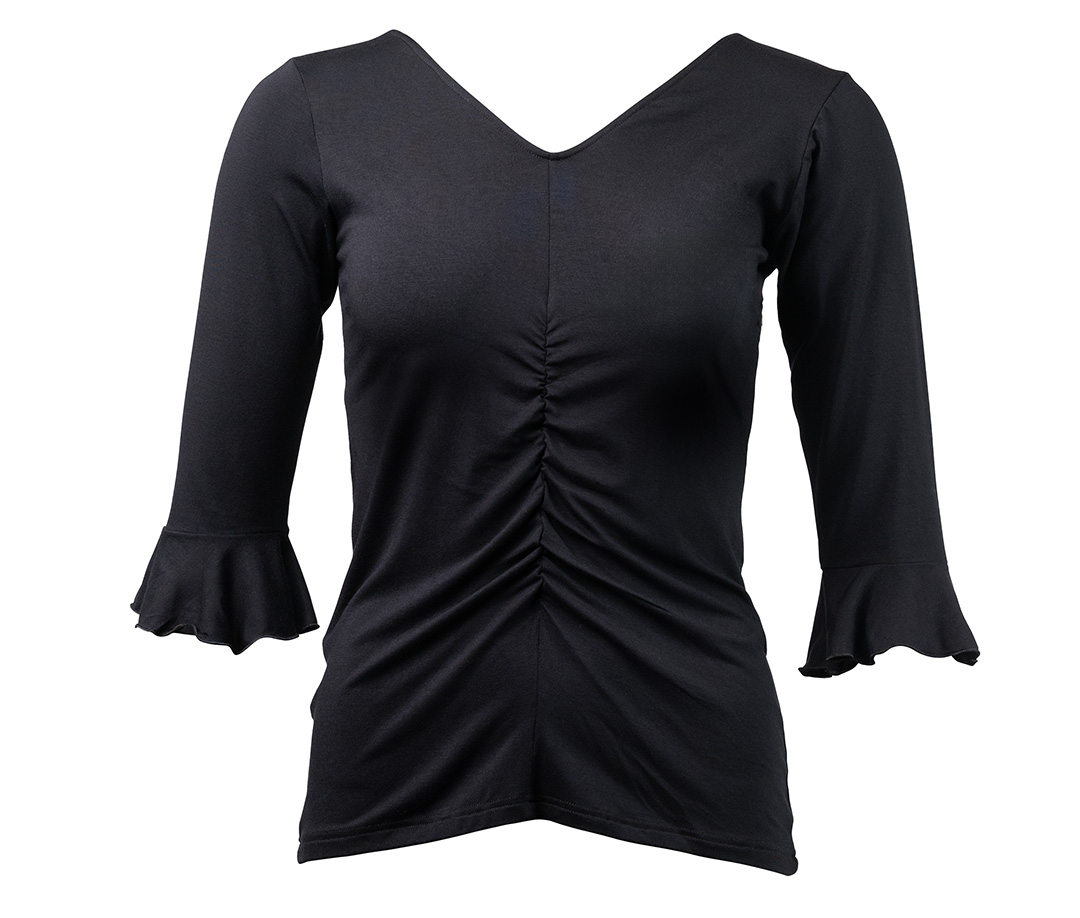
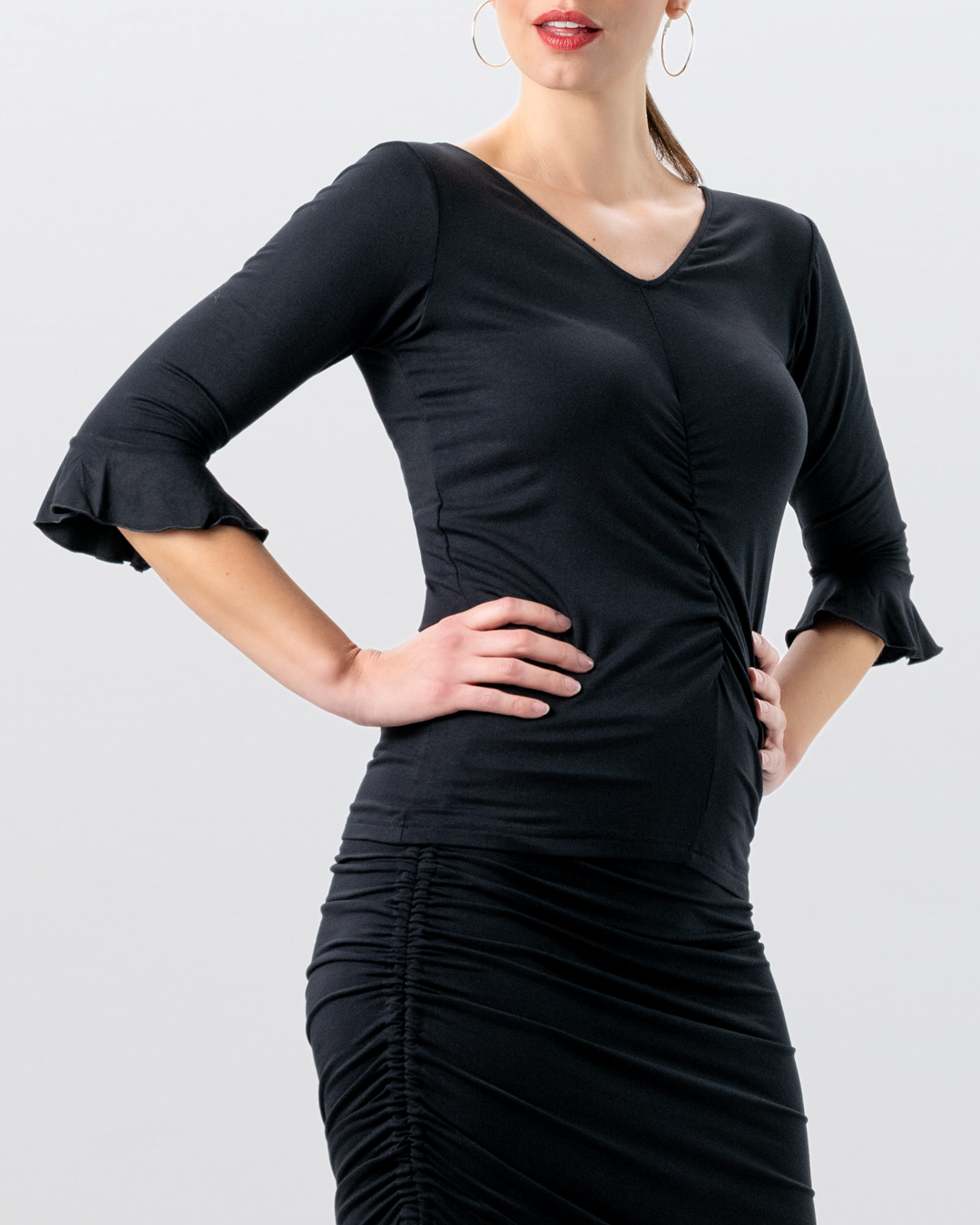
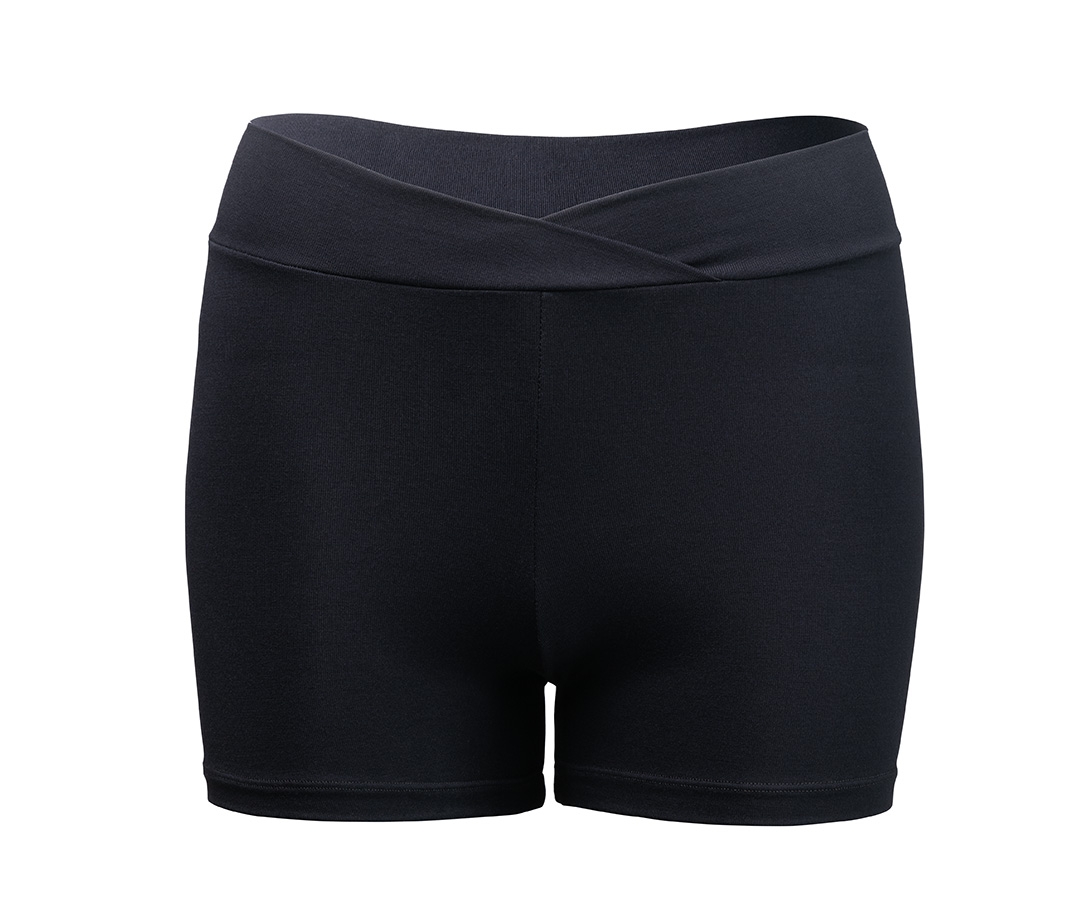
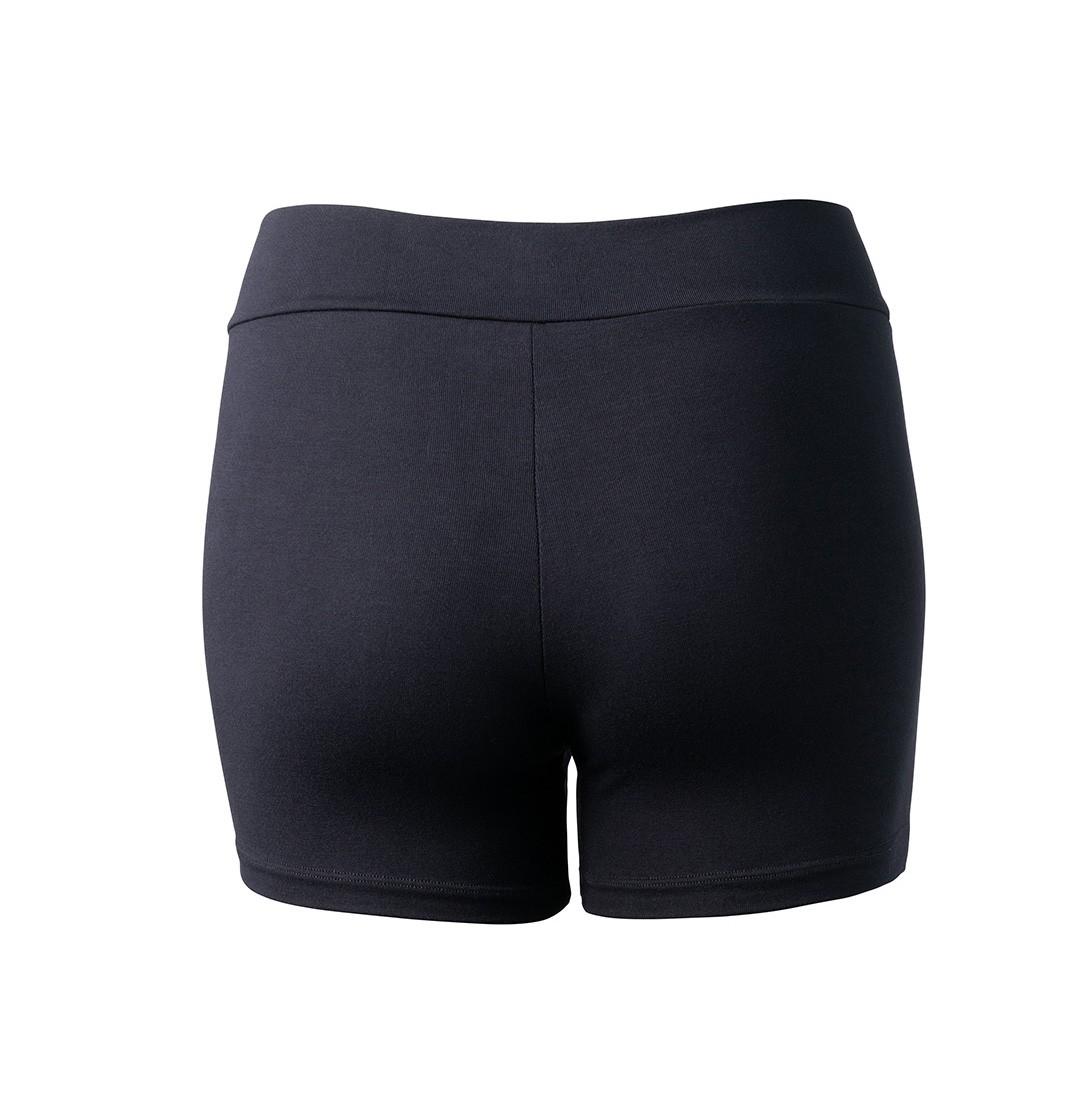
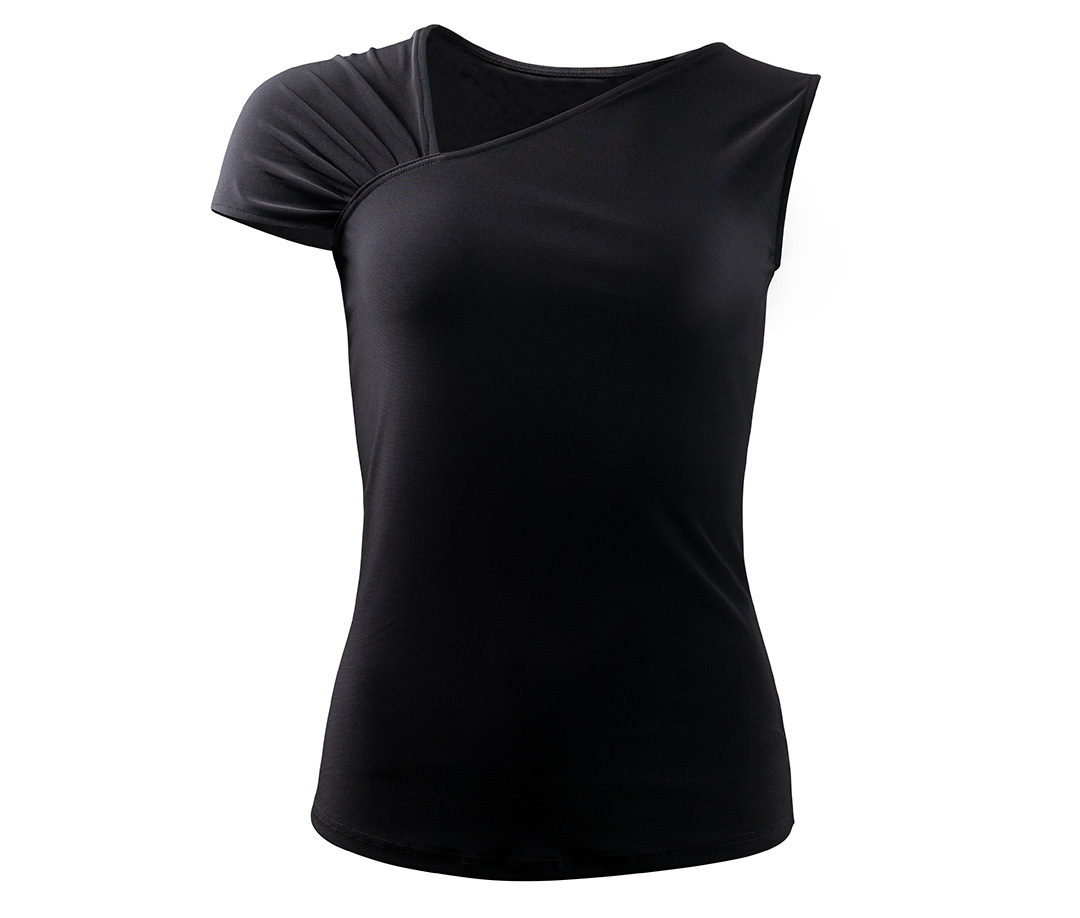
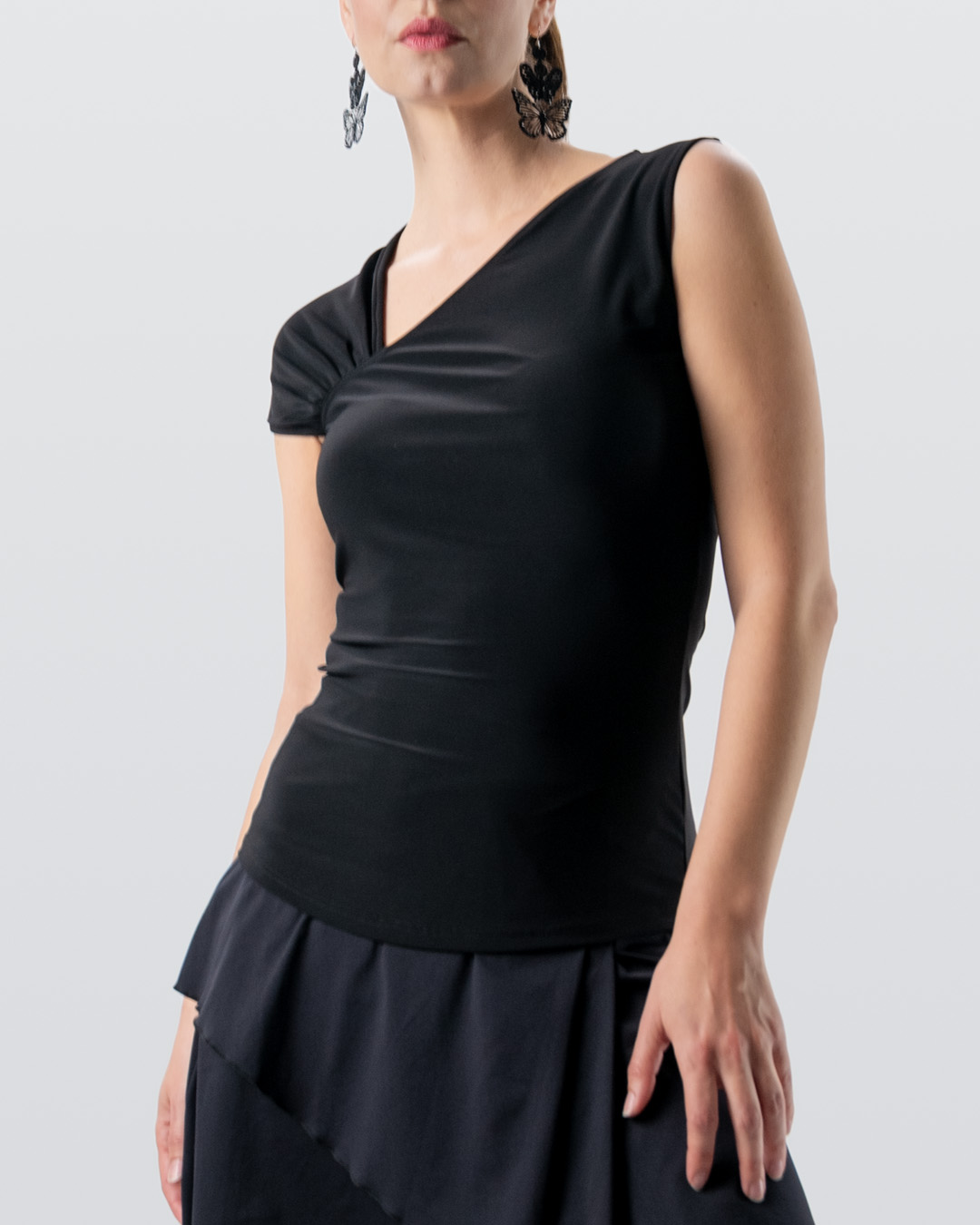
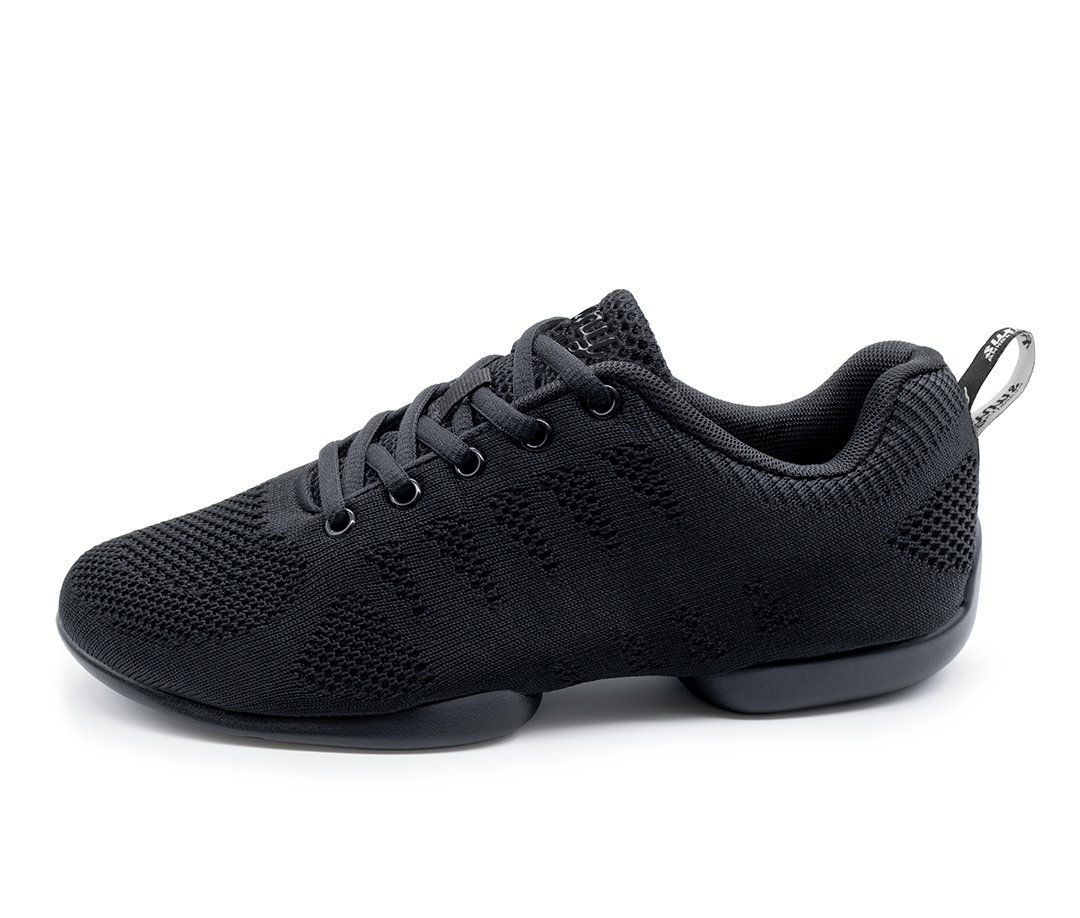
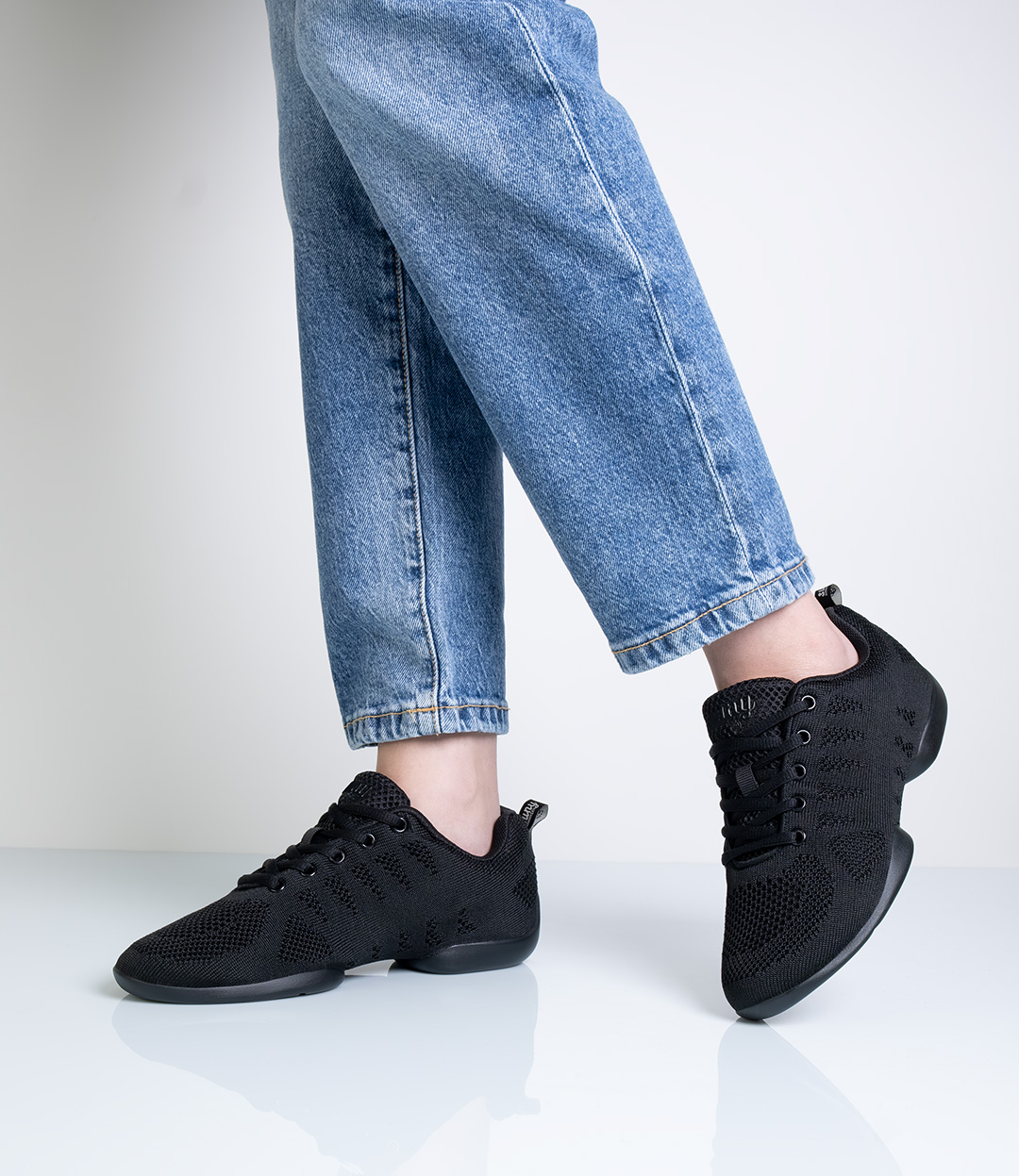
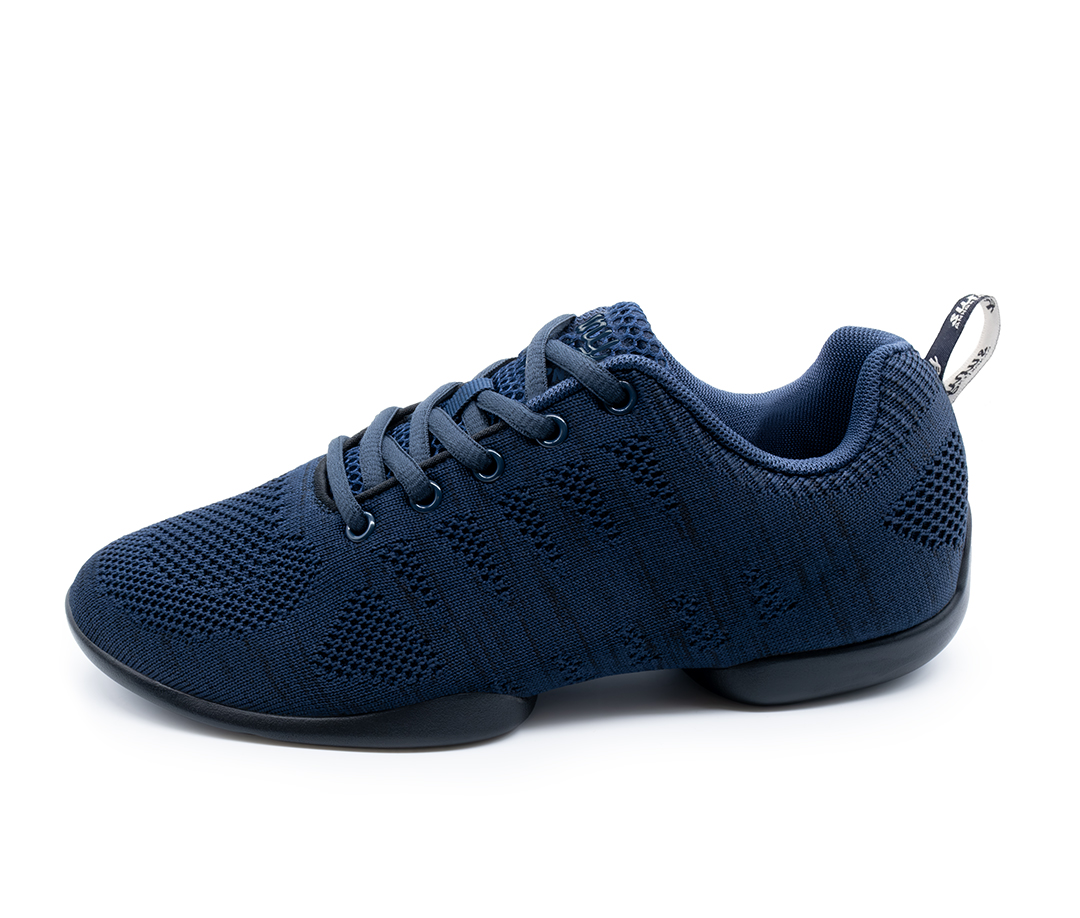
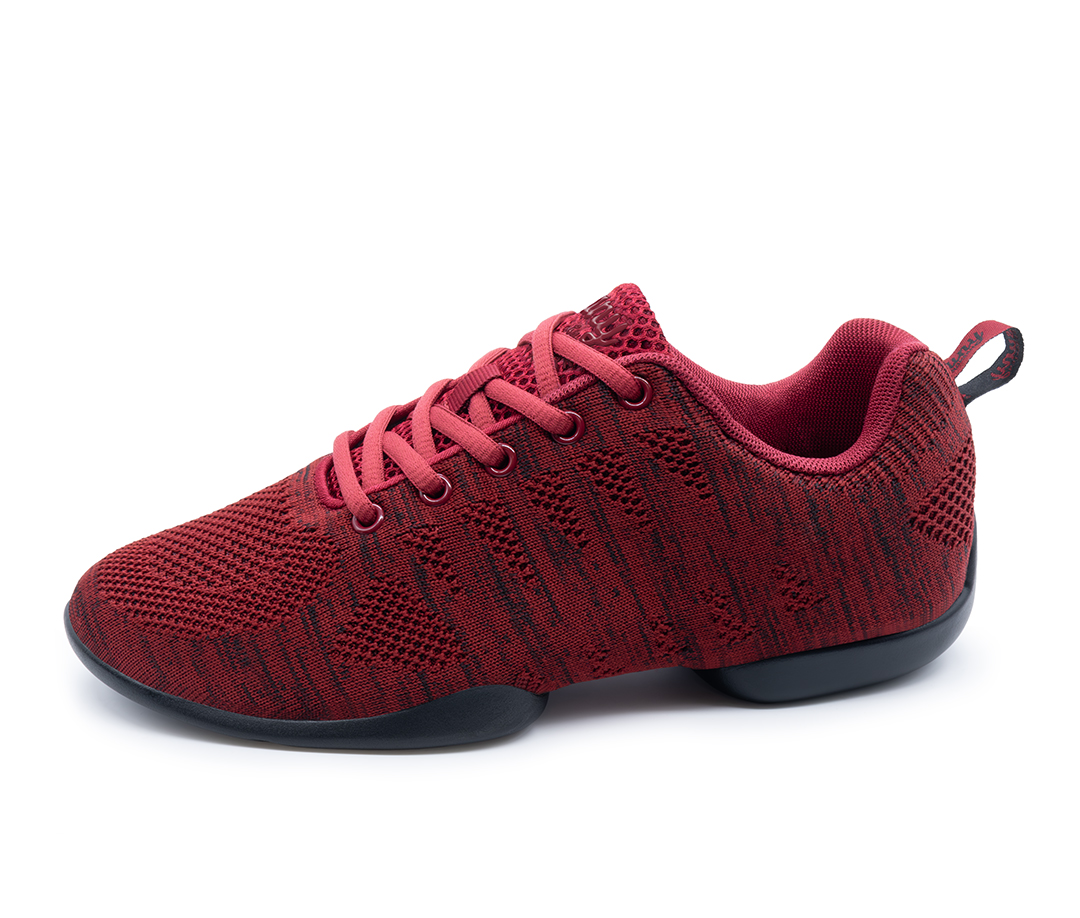
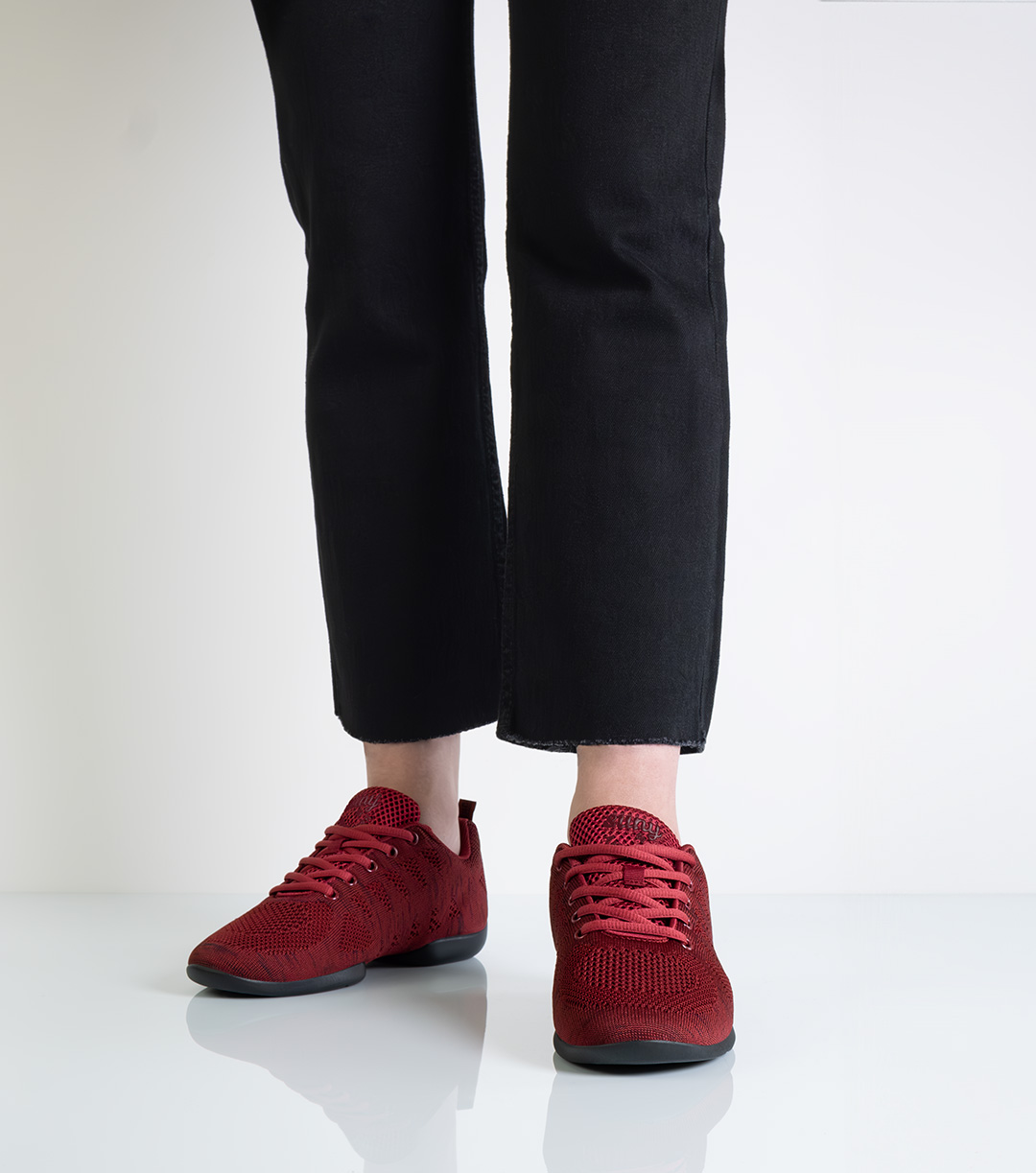
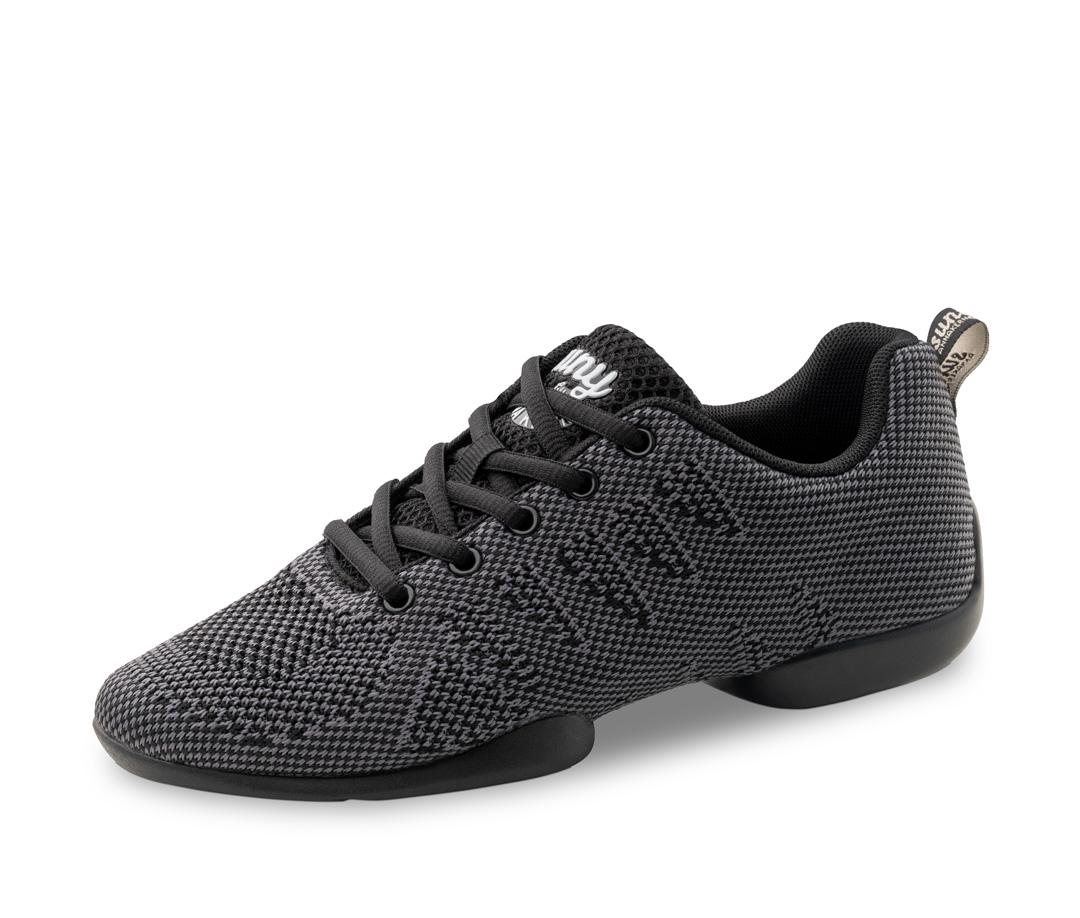
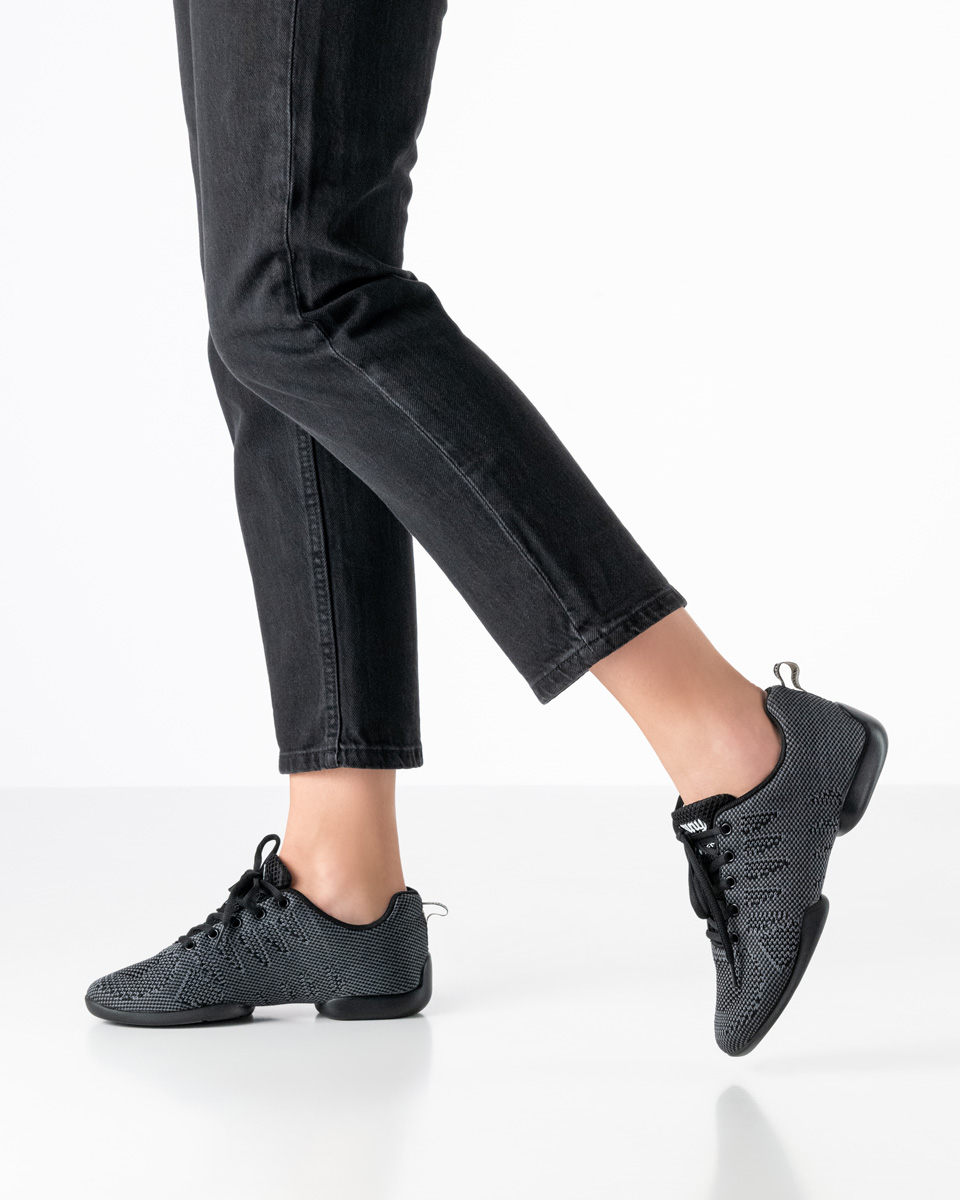
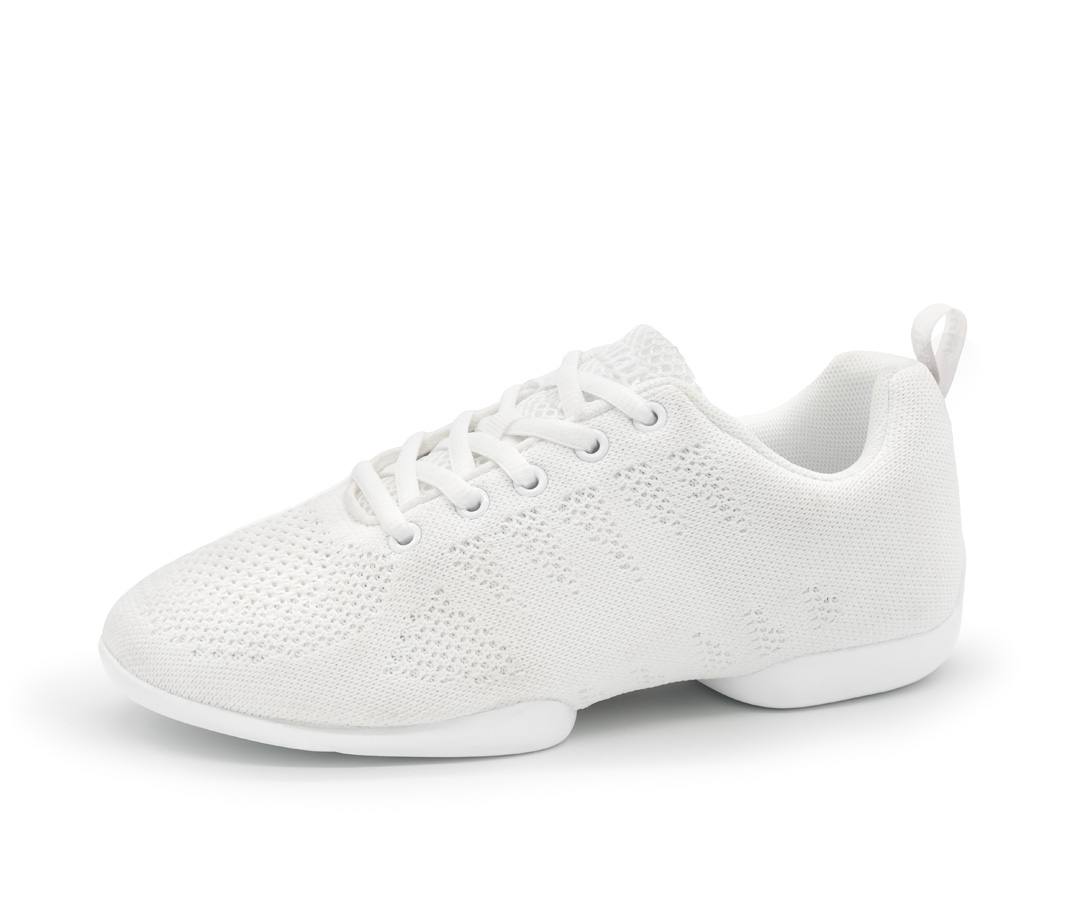
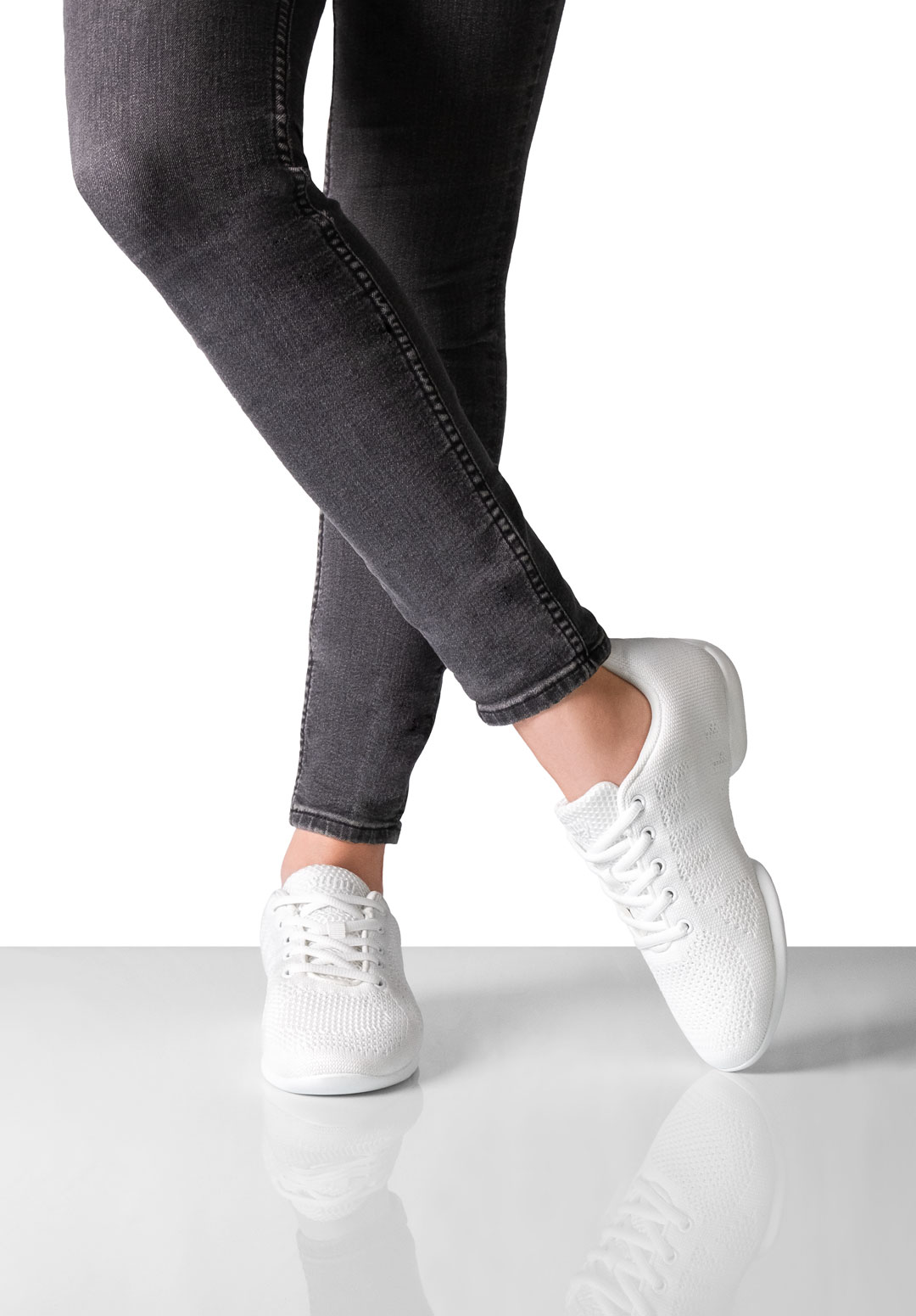
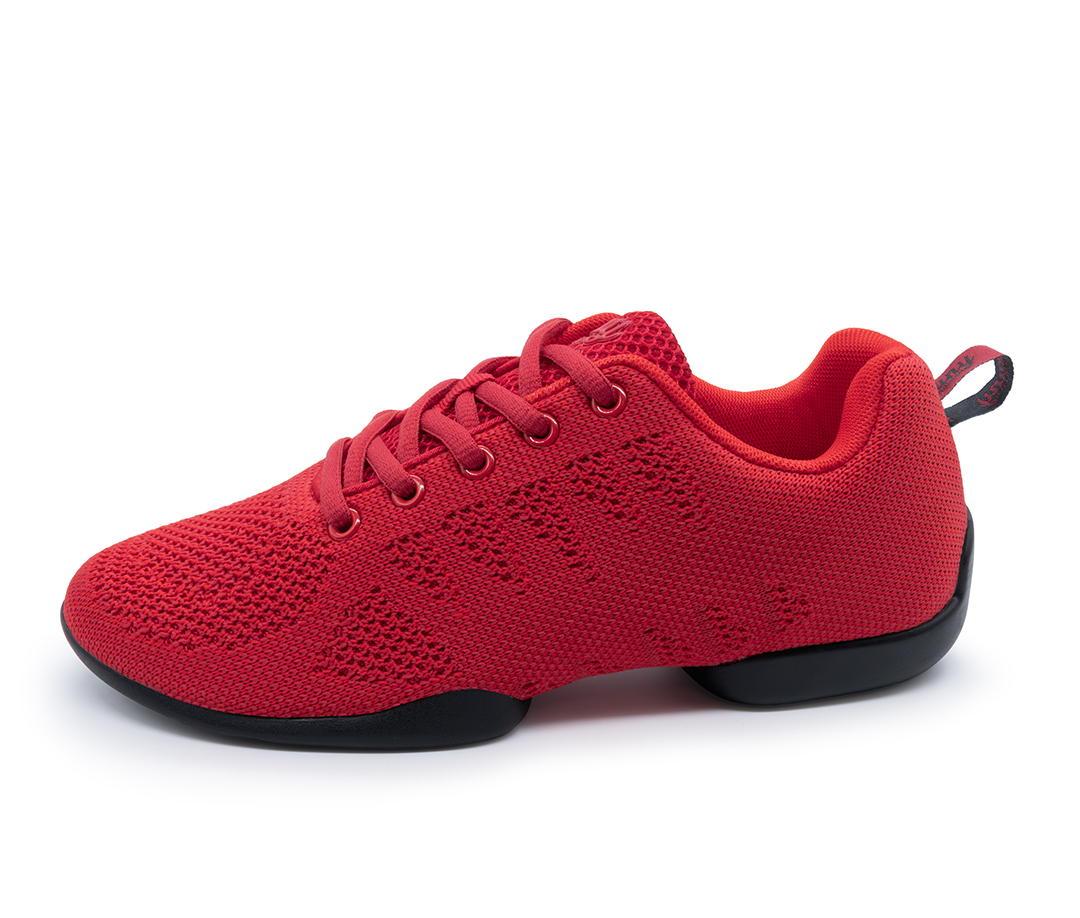
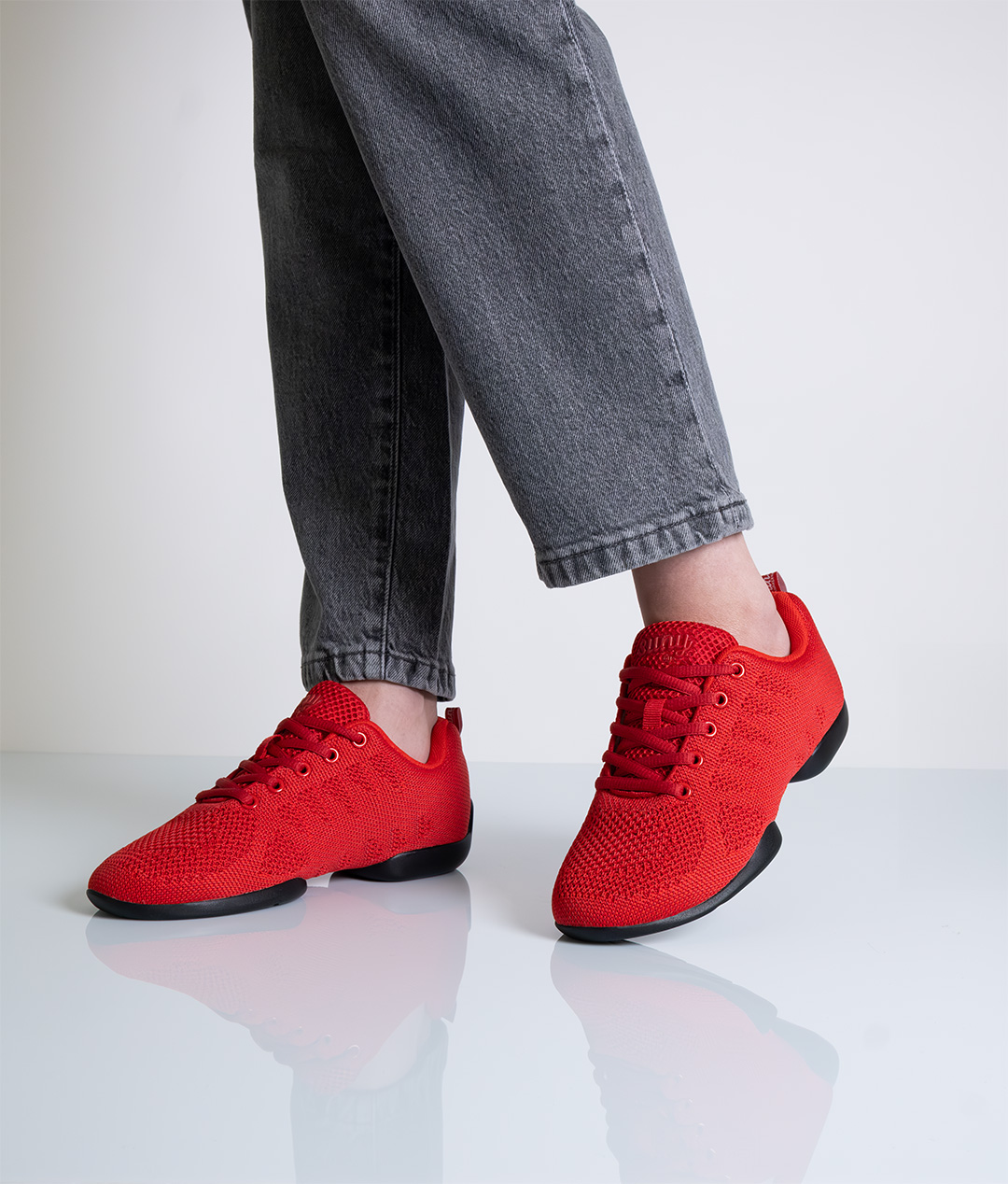
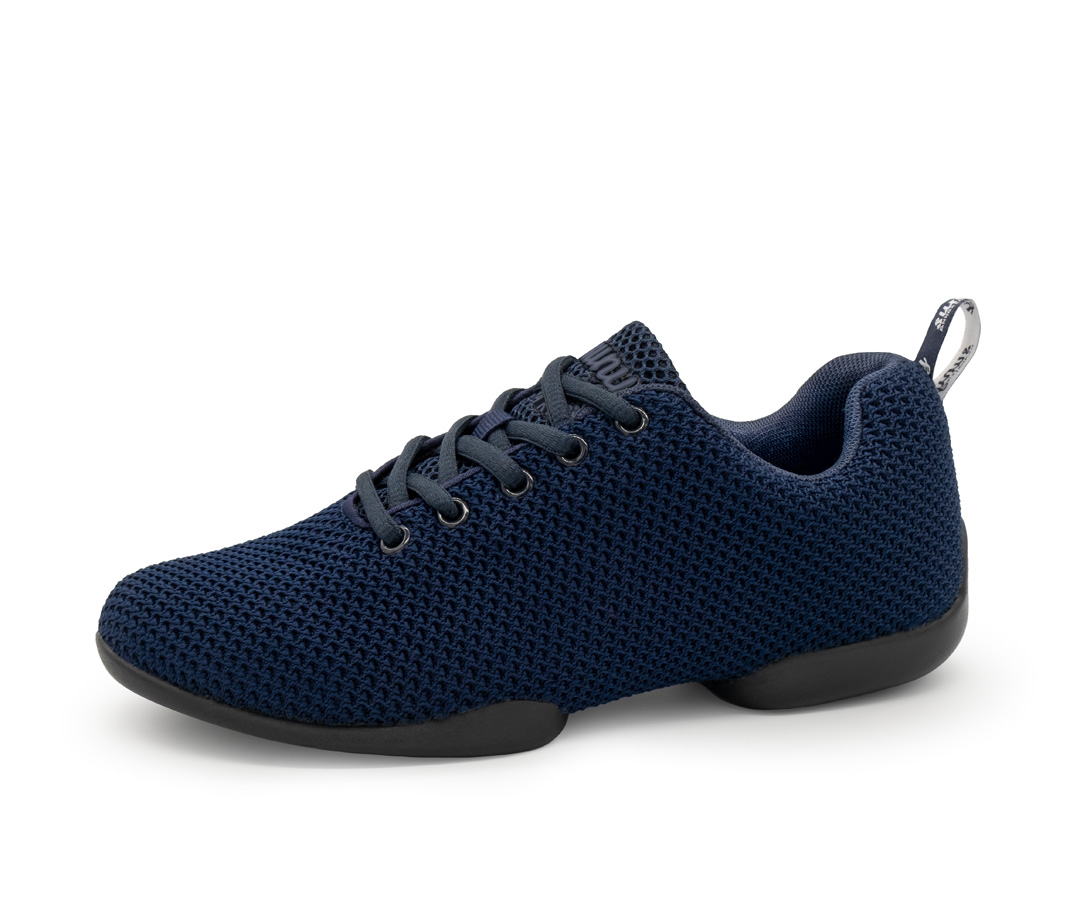
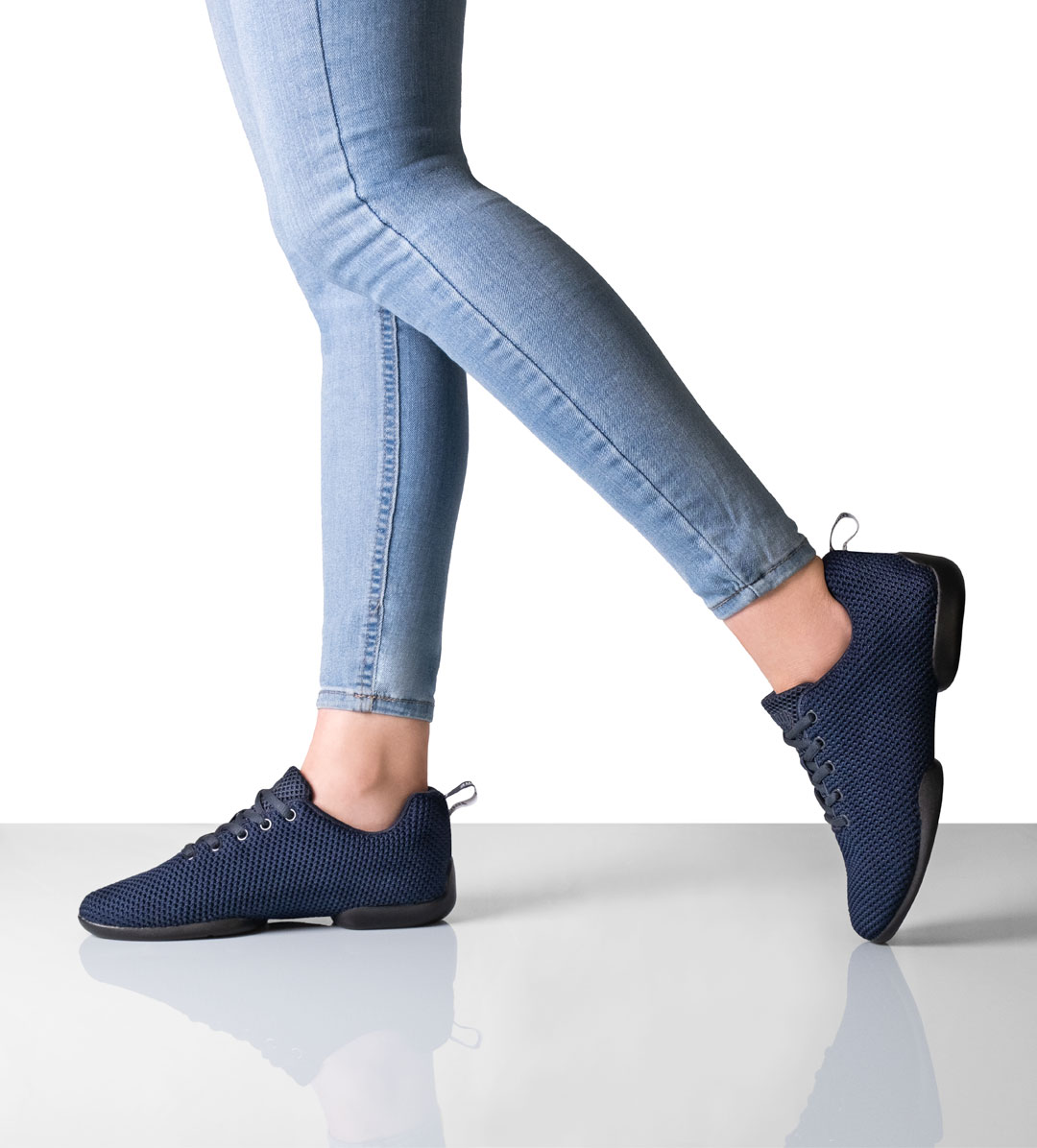
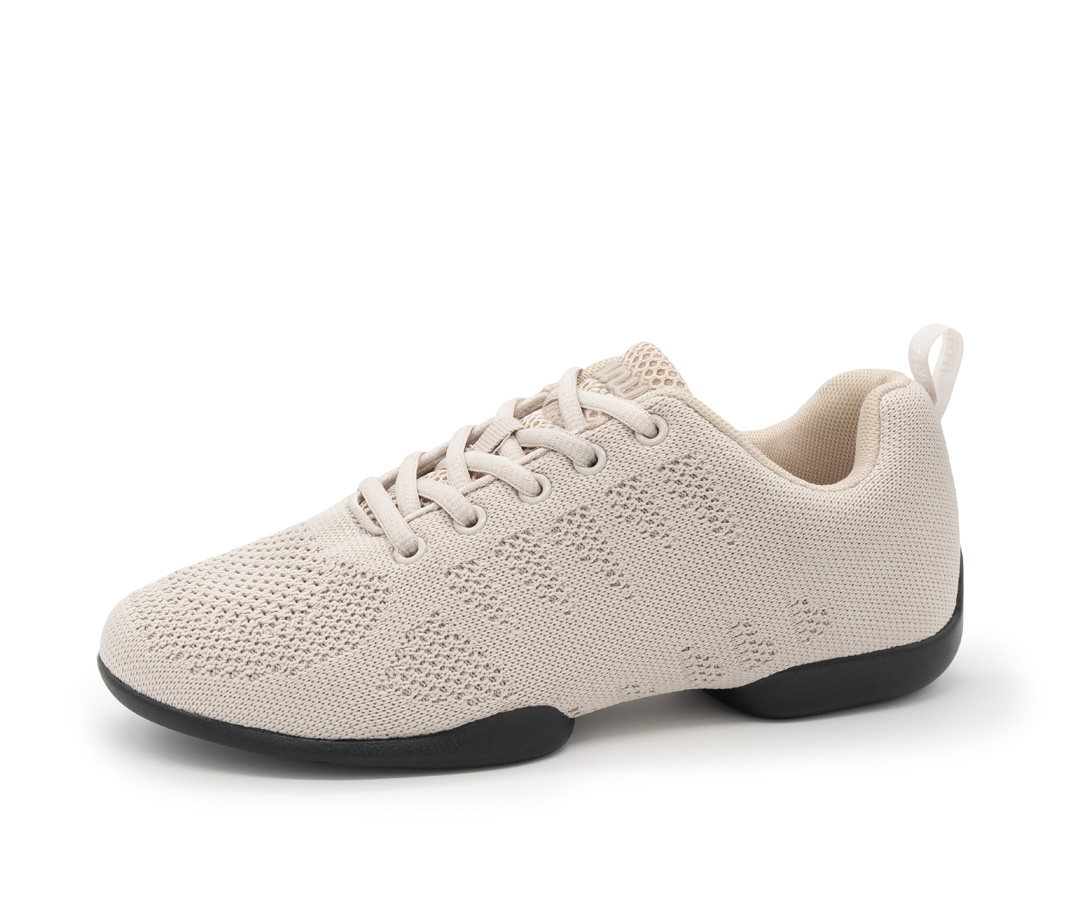
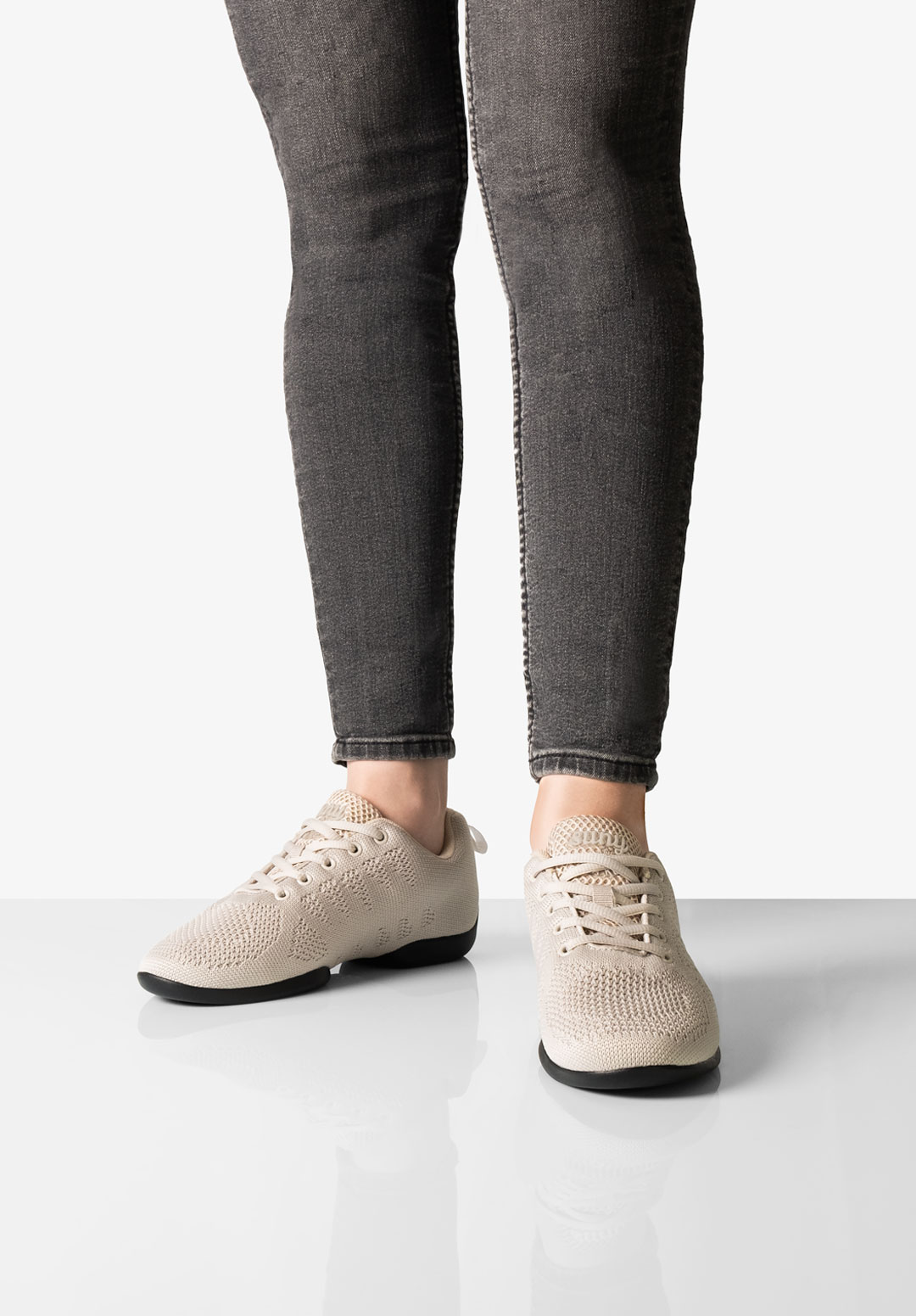
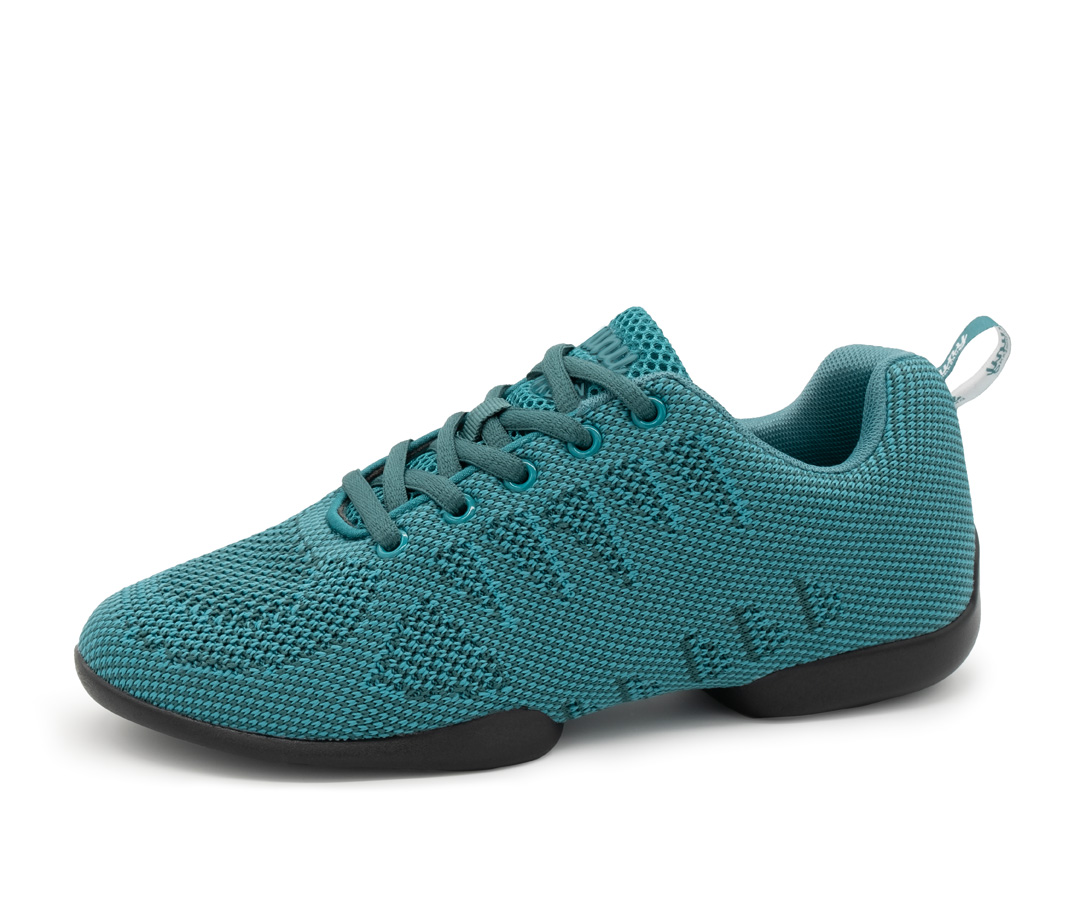
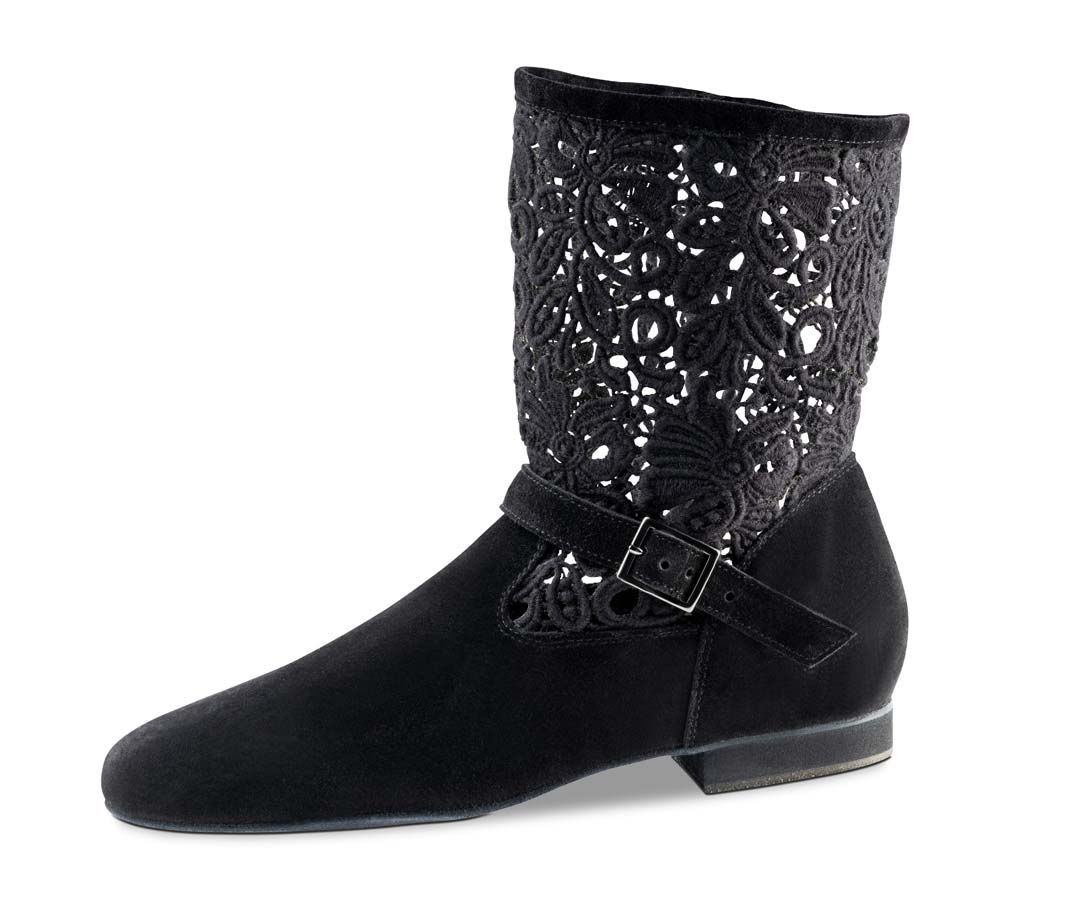
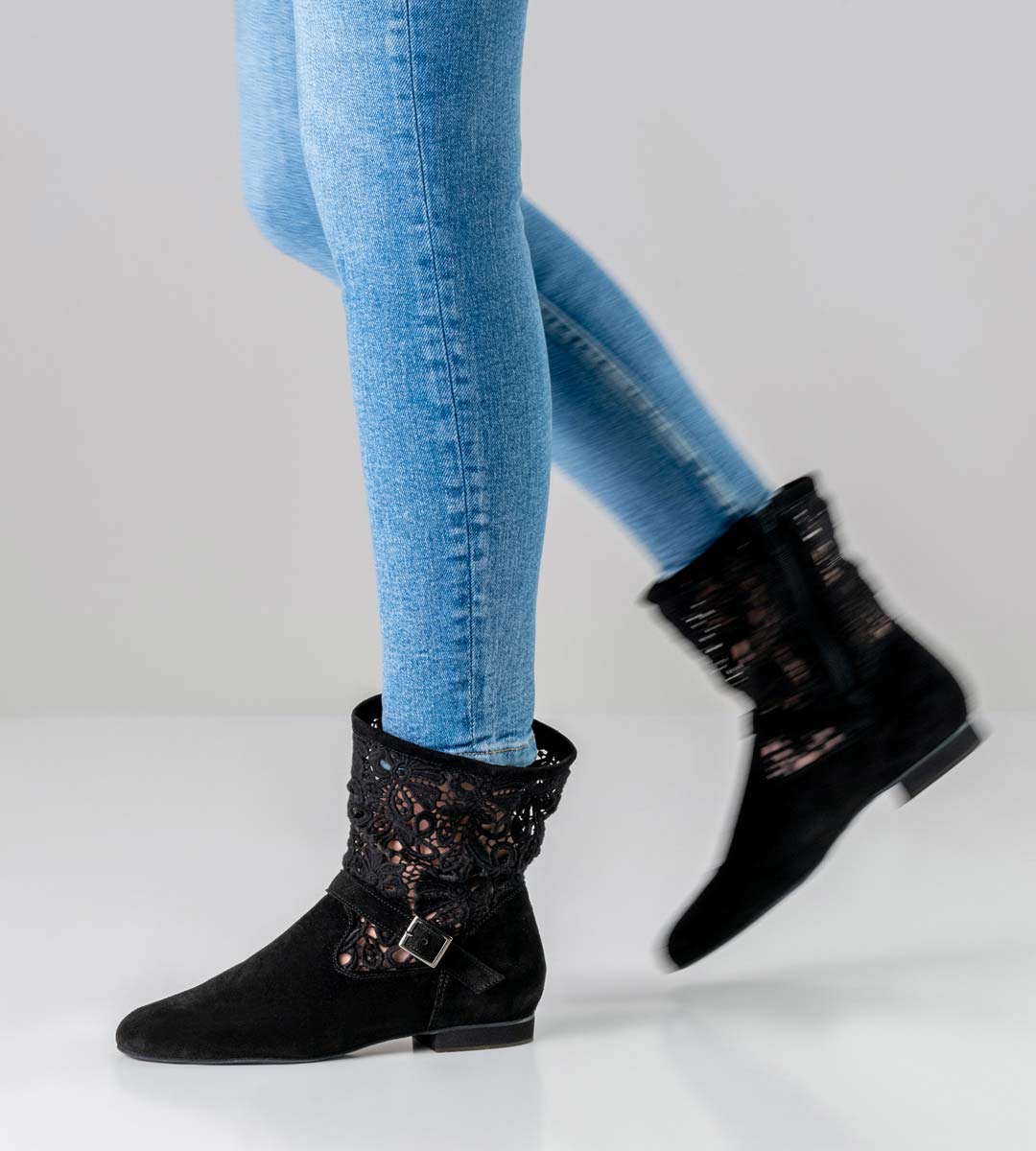
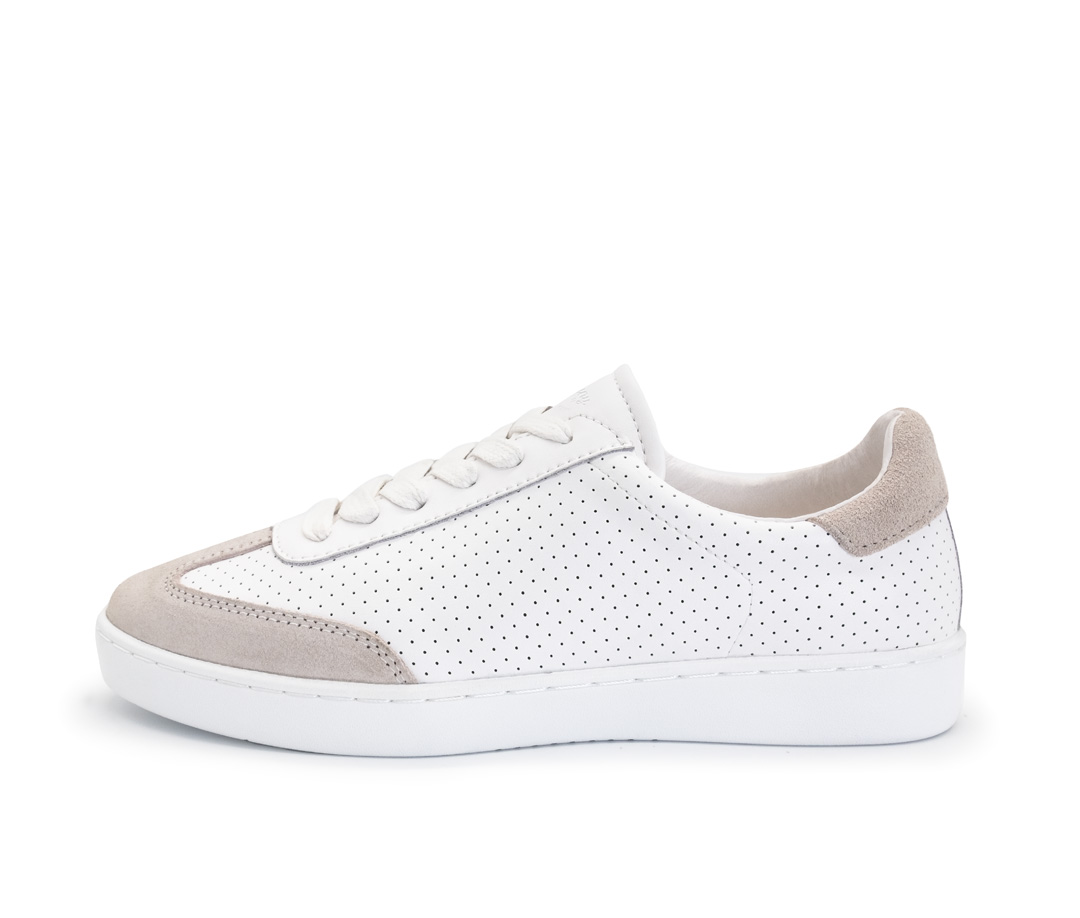
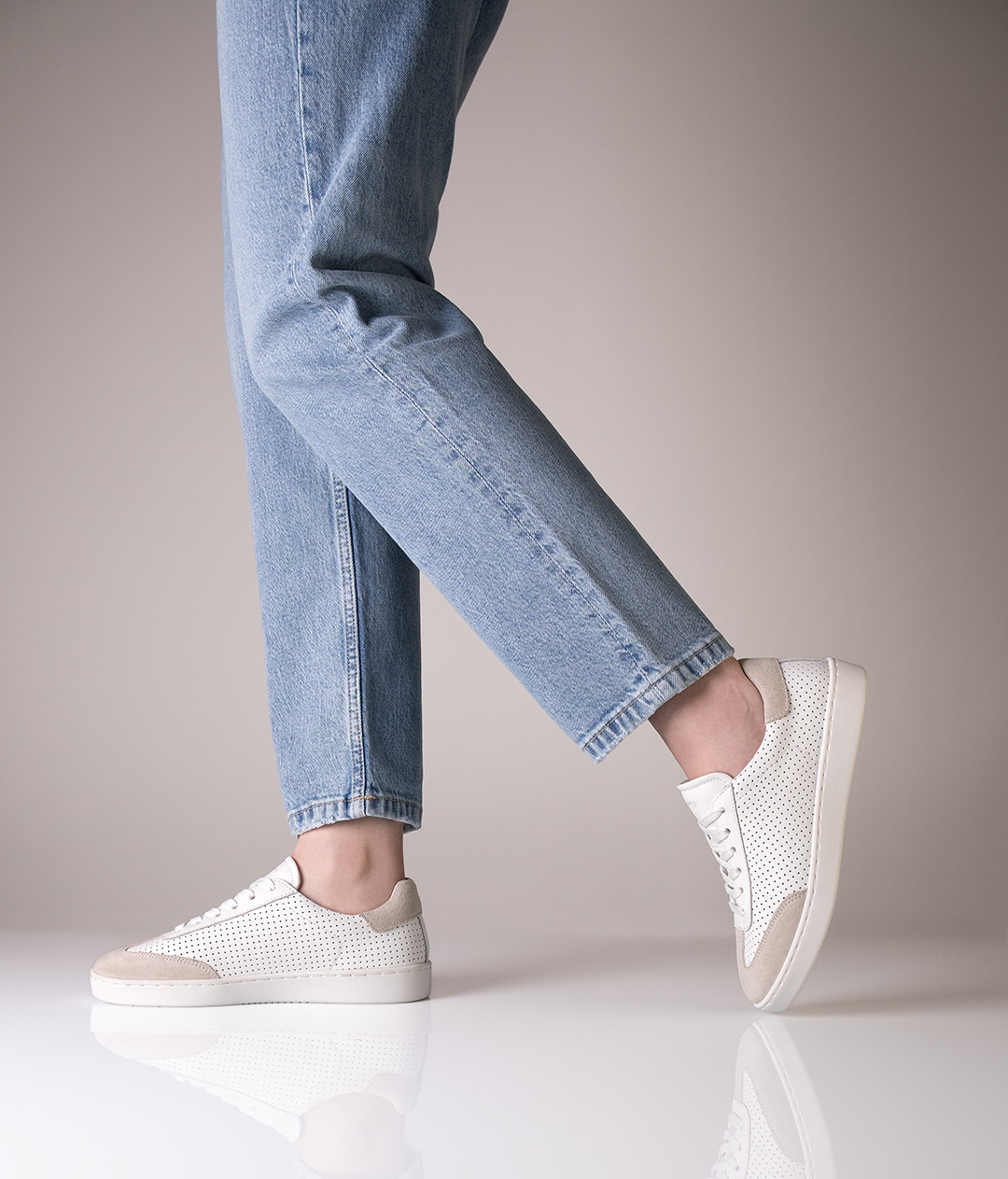
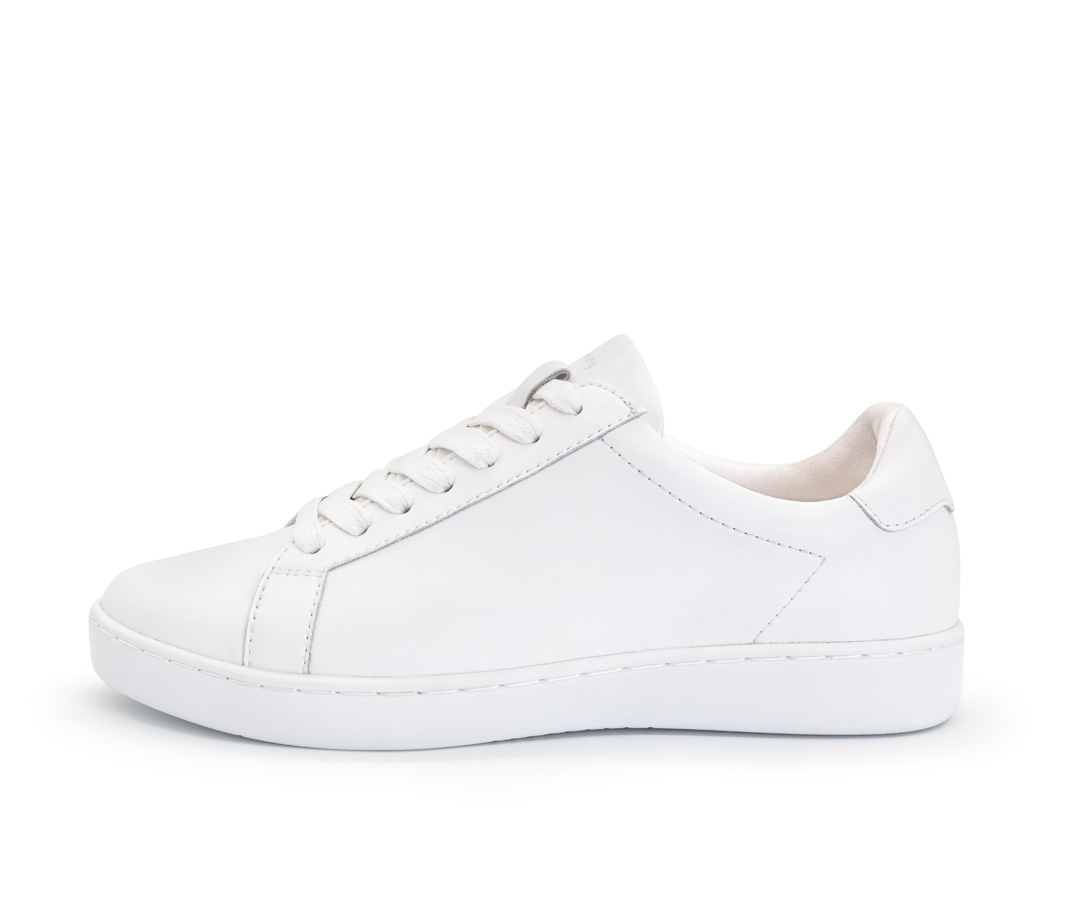
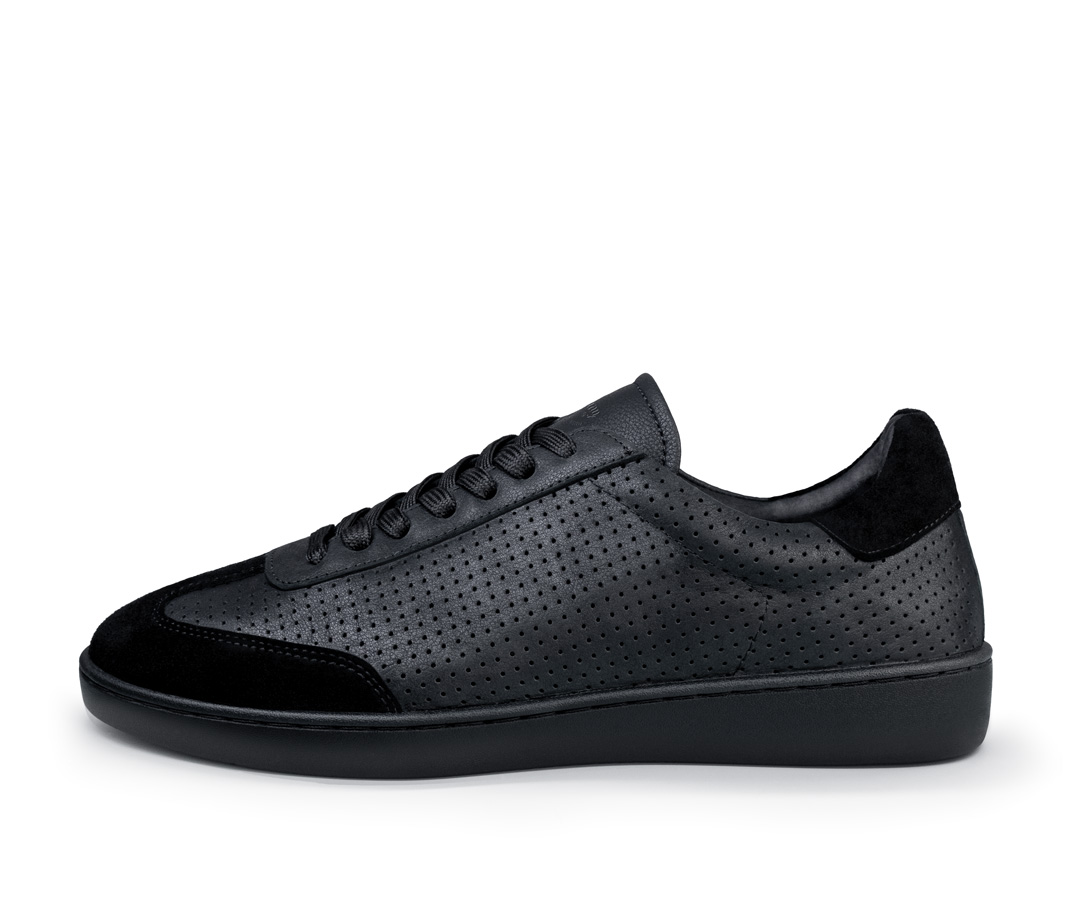
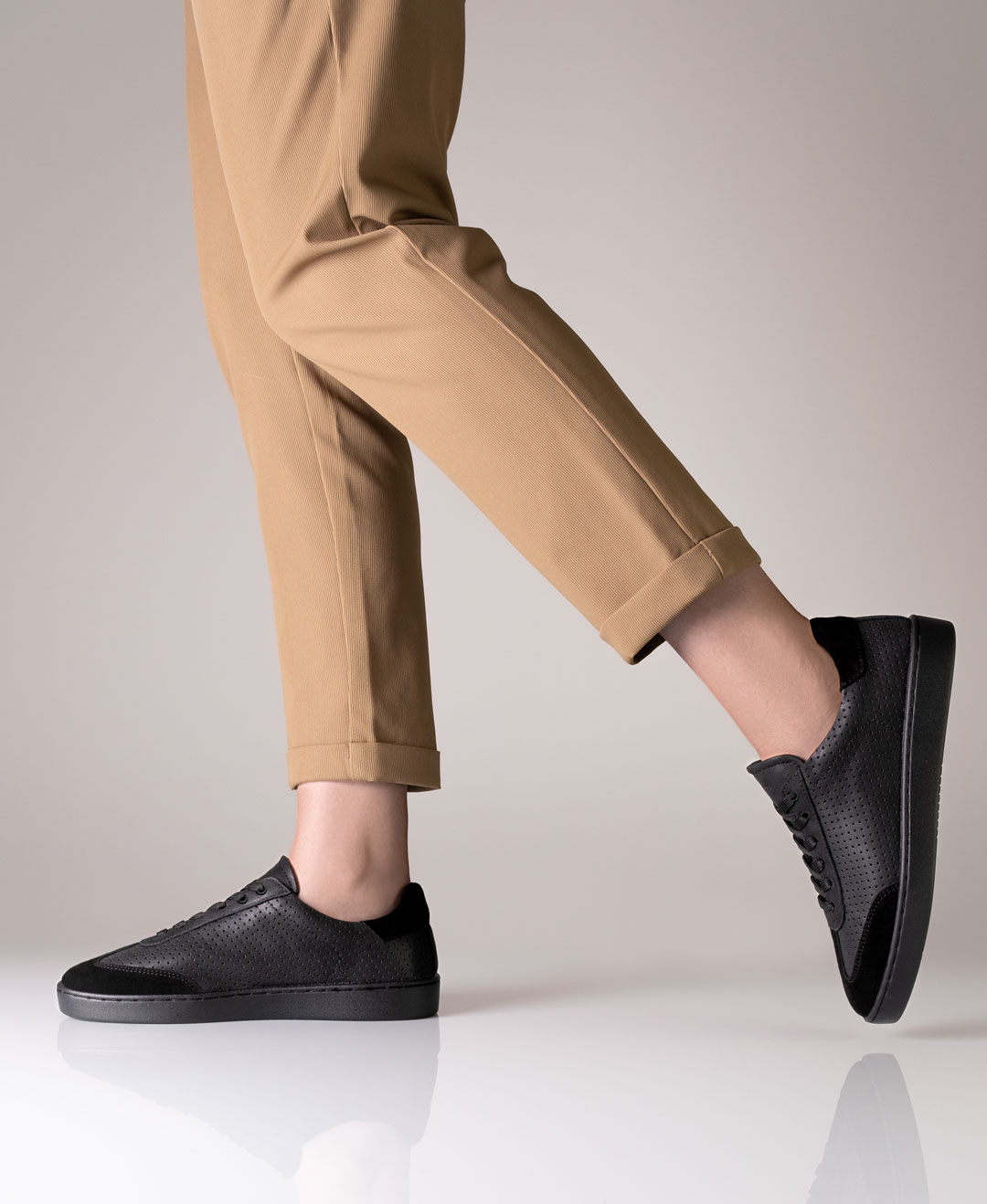
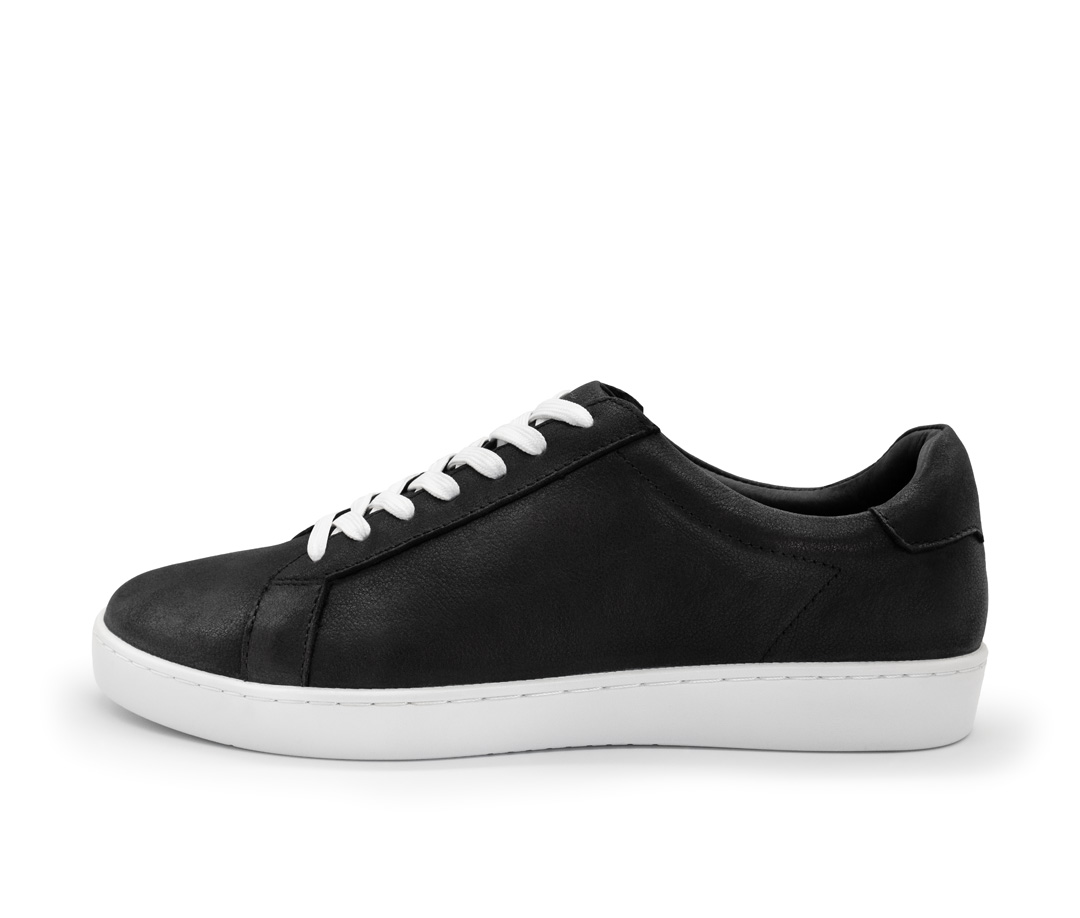
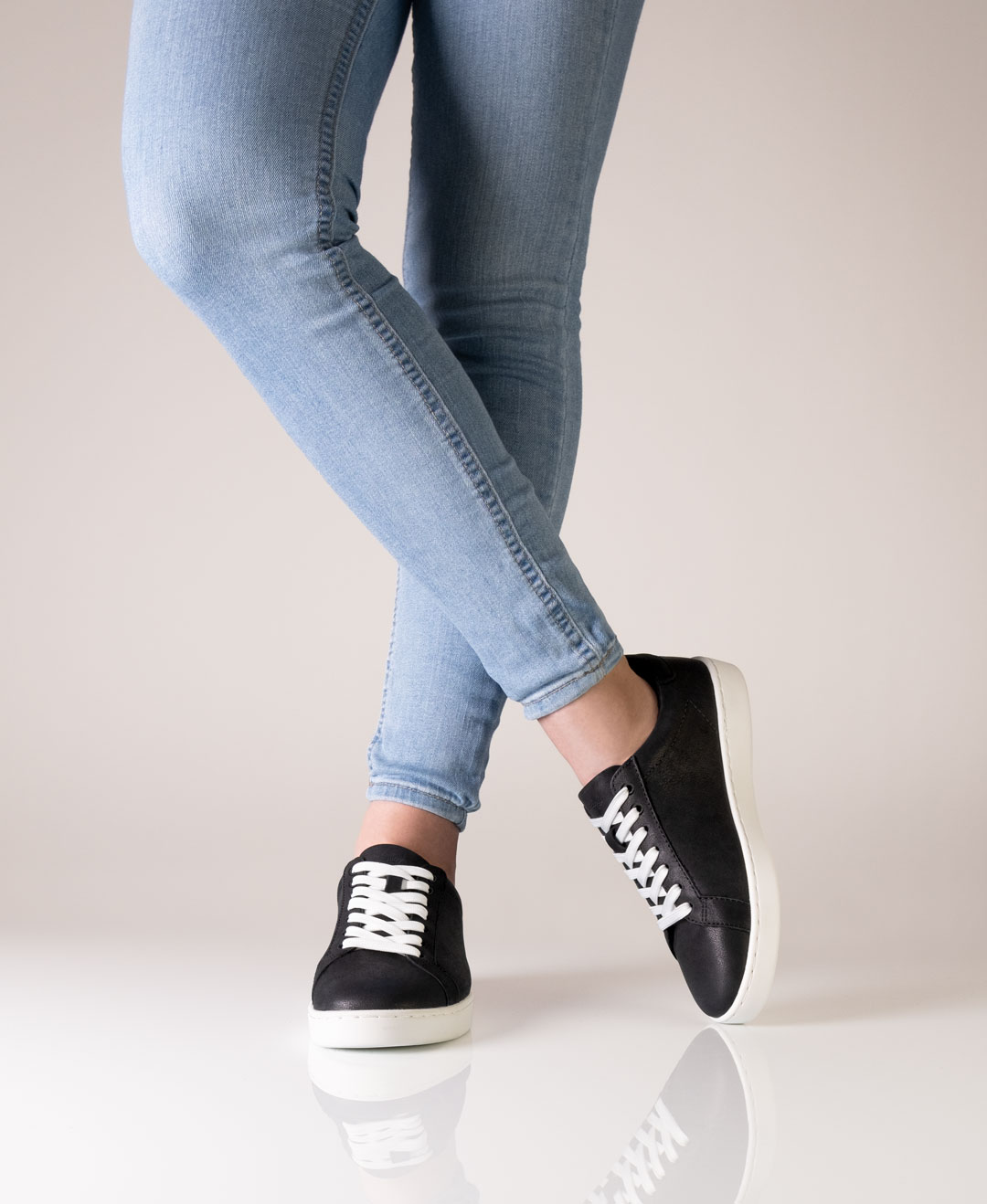
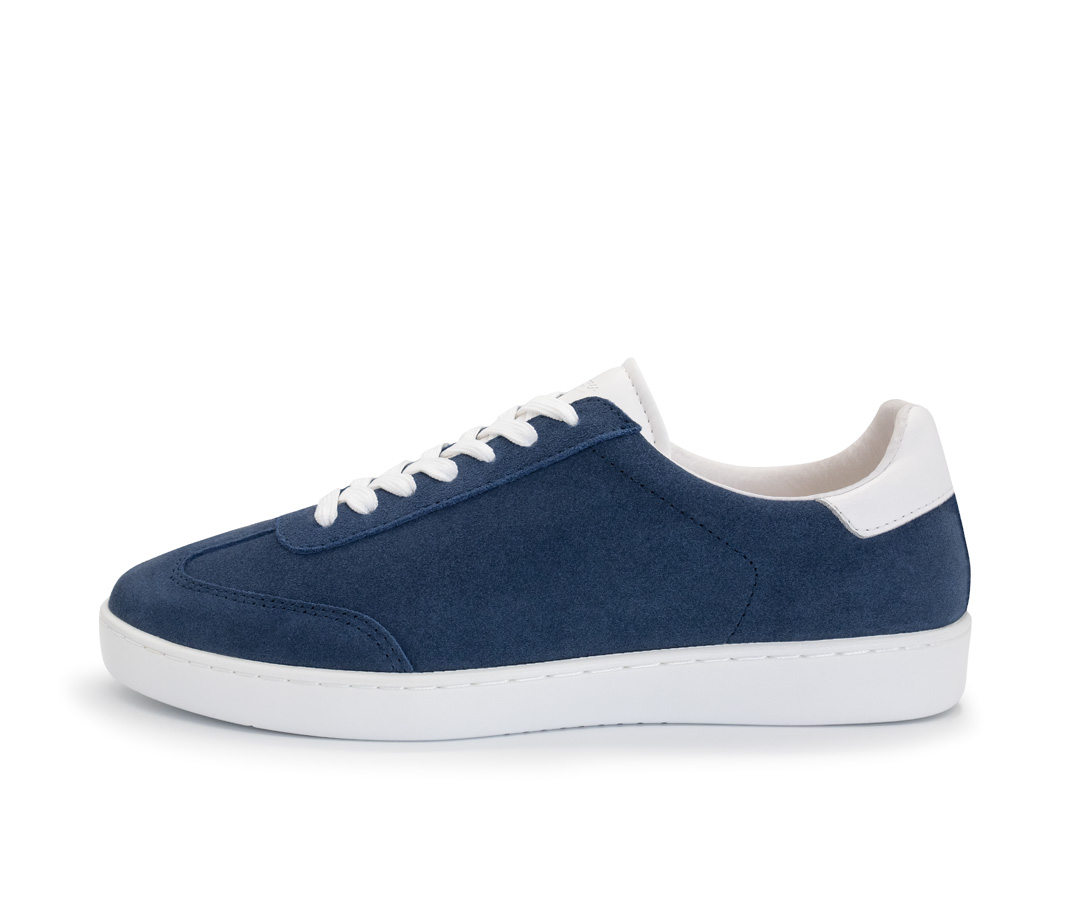
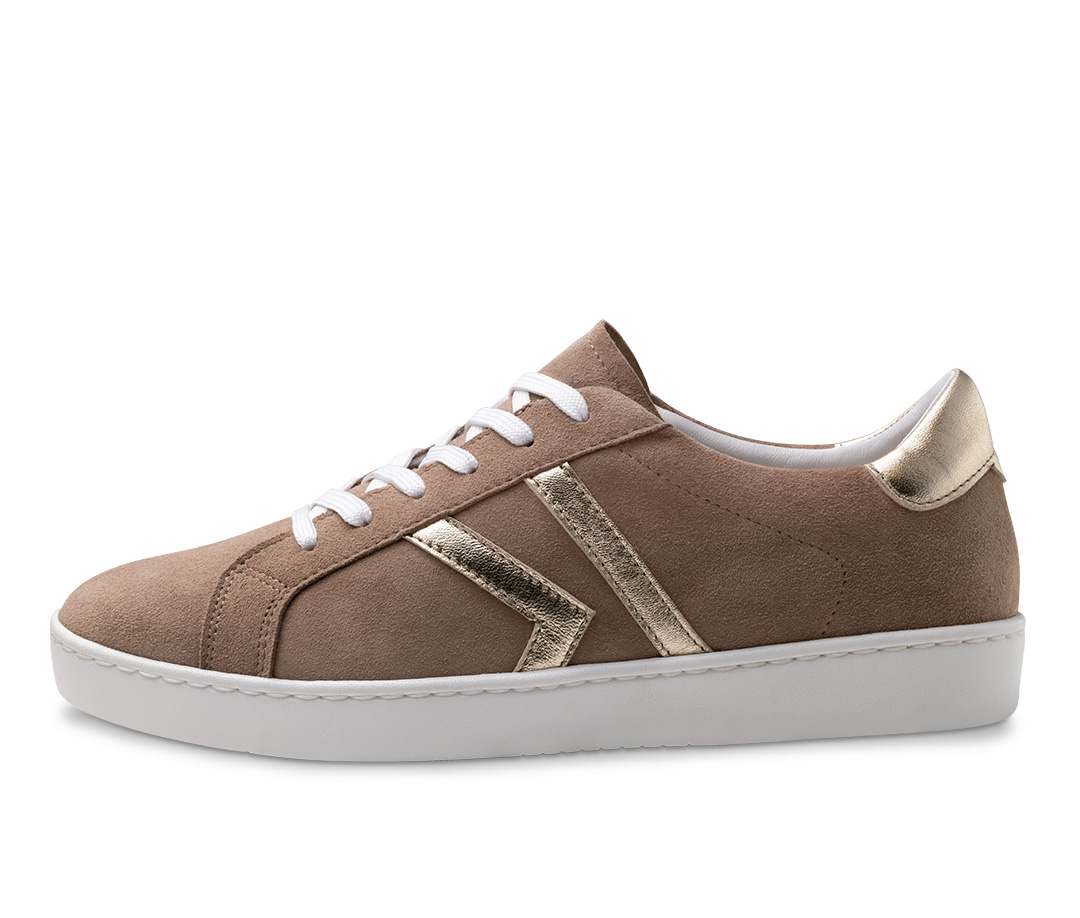
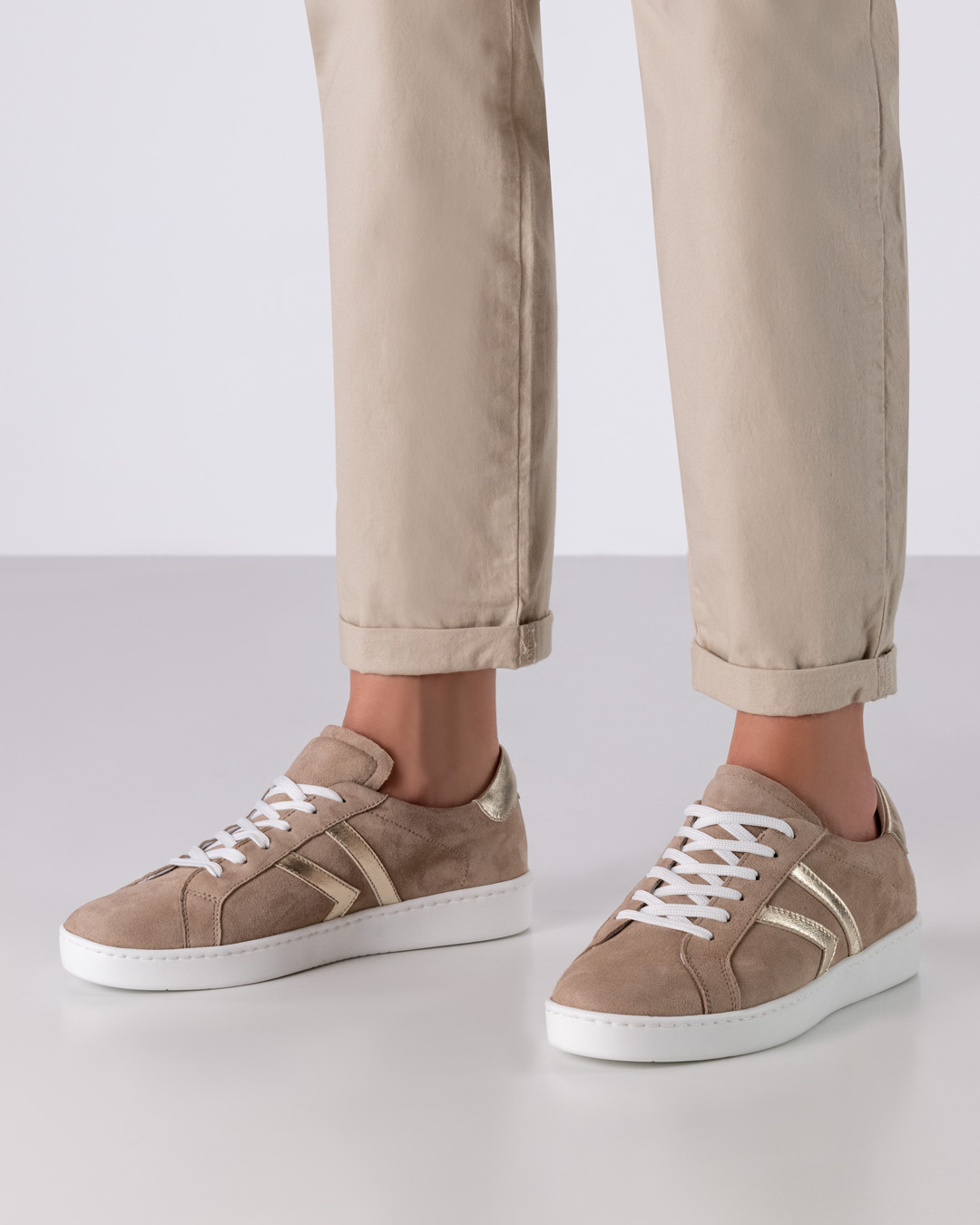
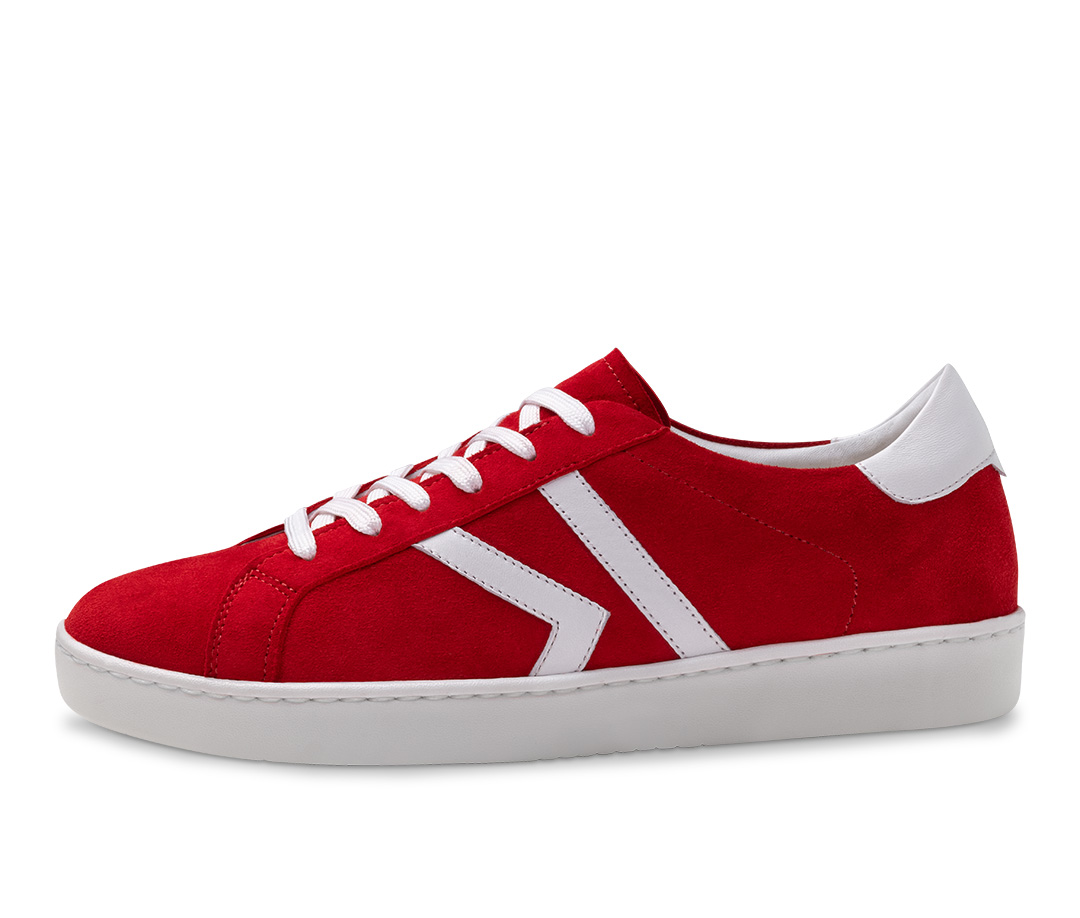
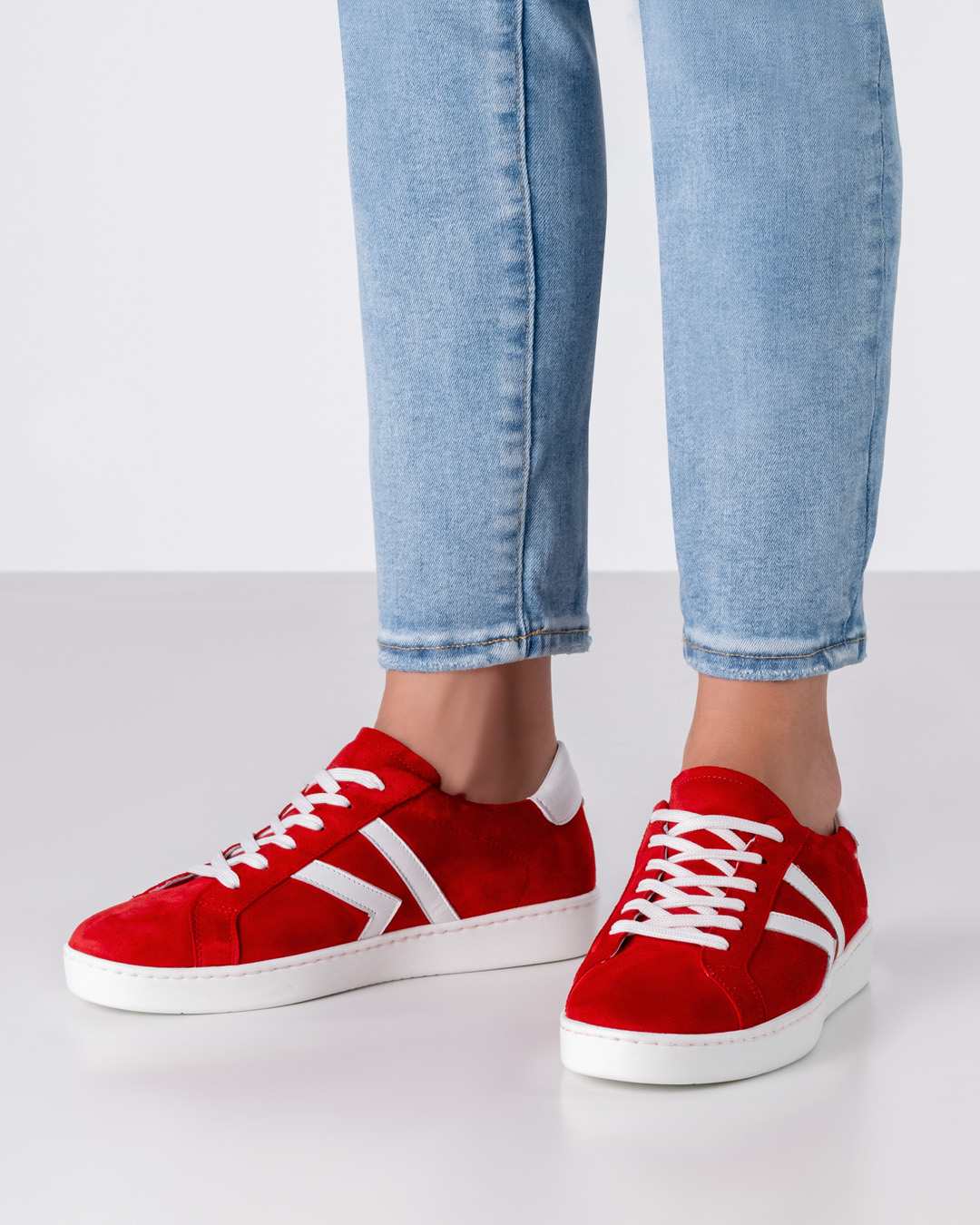
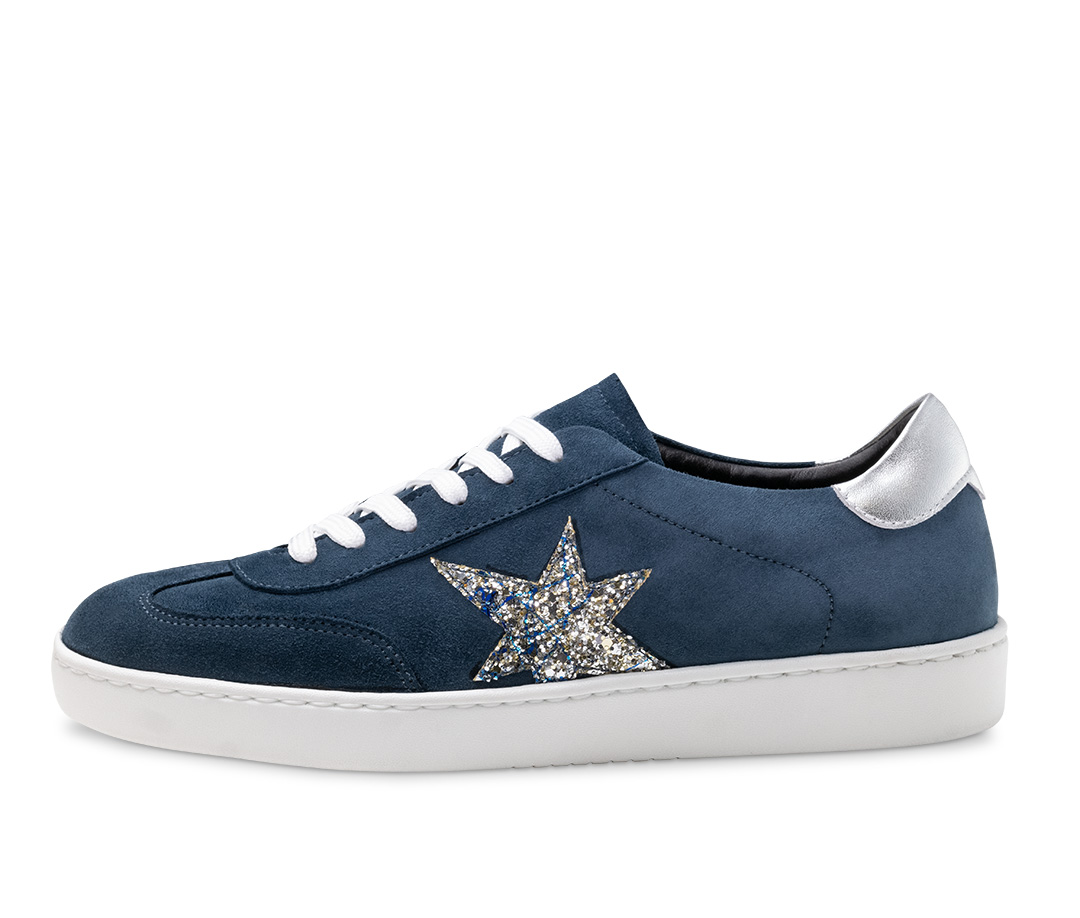
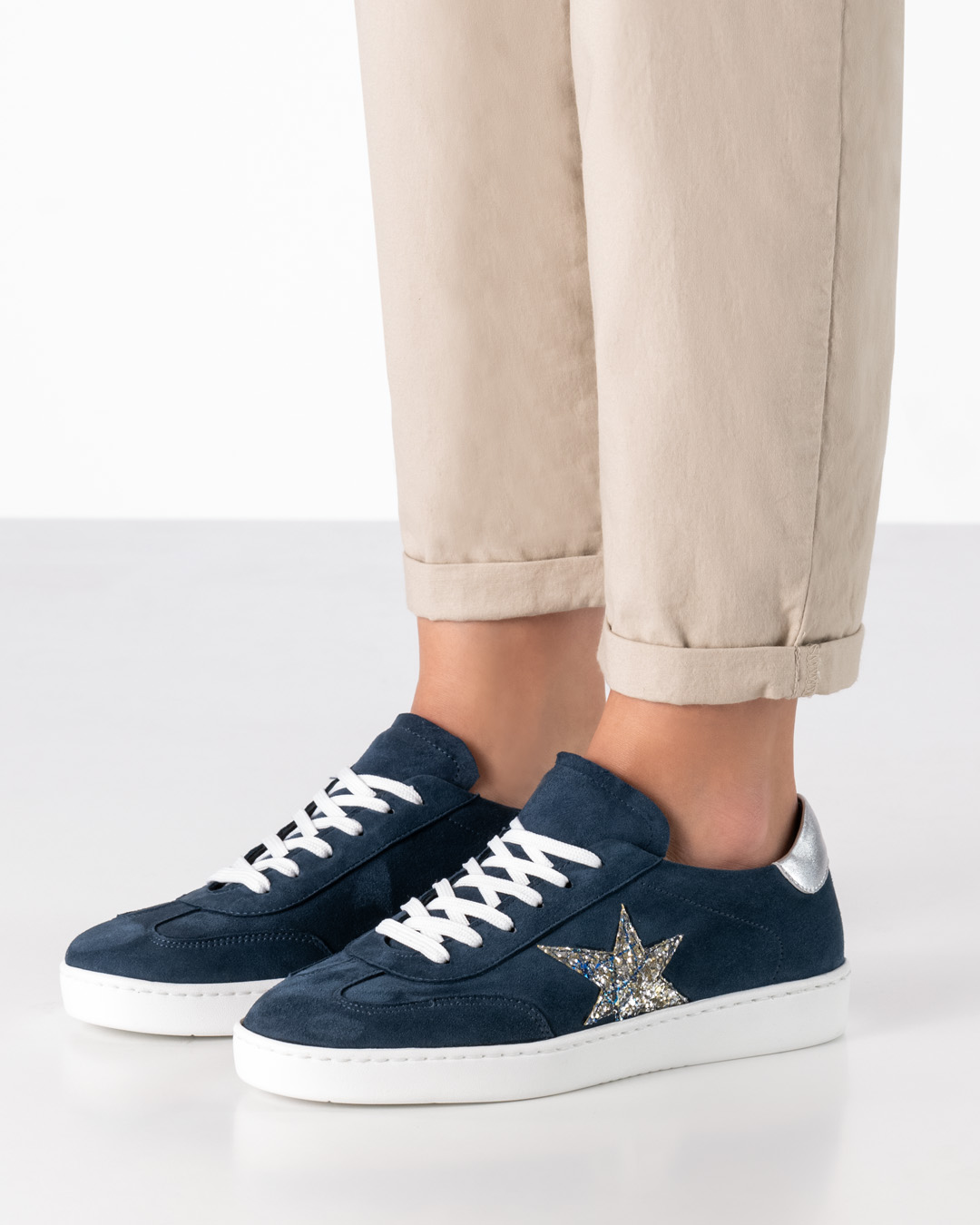
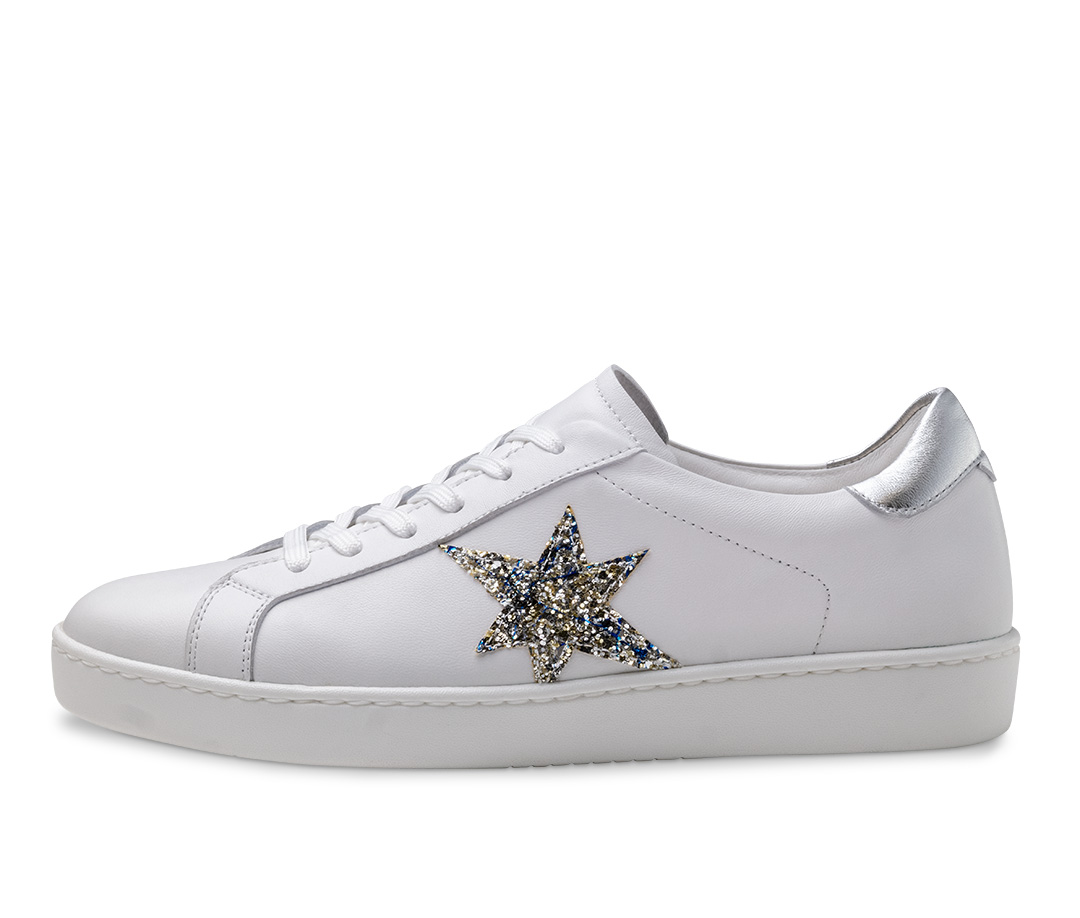
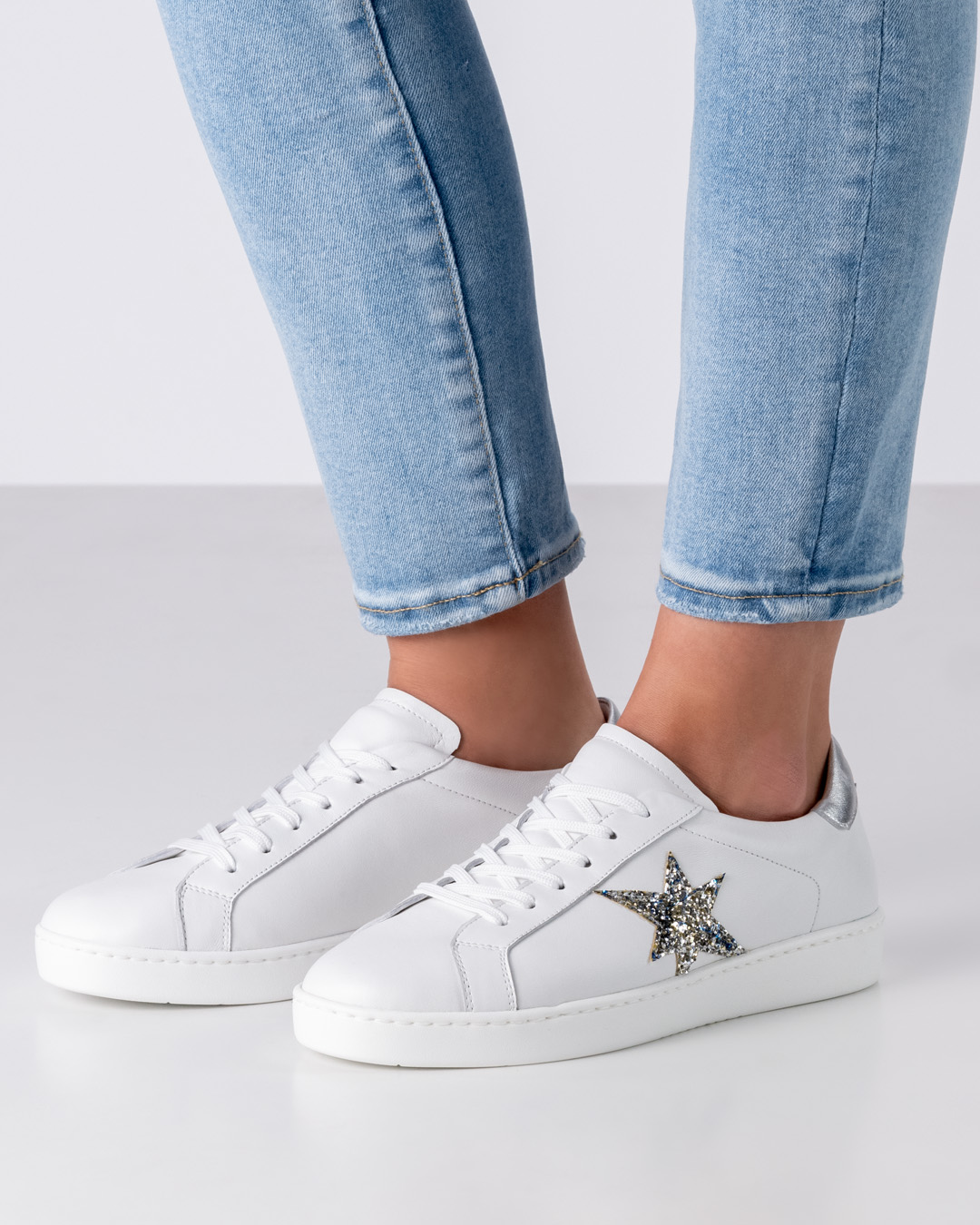
Particularly important are suitable shoes with a smooth sole that make turns and changes of direction easier. This not only makes dancing more fun, but is also gentler on the joints.






How do you get started with Line Dance?
Now that it has become clear what Line Dance is, many beginners face the question of how they can start dancing themselves. The dance style is considered one of the most beginner-friendly dance forms of all. Since no partner is needed, you can start dancing on your own at any time. Many dance schools, clubs and line dance groups offer special beginner courses in which the most important steps are taught. If you like, you can also practise the first steps independently at home with the help of online tutorials. Line Dance is most fun in a group, however, where you dance together with others and make quick progress.
Conclusion: What is Line Dance and who is the dance style suited to?
Anyone who wanted to know what Line Dance is can sum it up as follows: Line Dance is a dance in which people dance the same step sequences independently of one another yet together. It is suitable for anyone who enjoys dancing and likes to move to music in company without a partner. Although Line Dance is often associated with country music, the dance is performed to a wide variety of genres and therefore appeals to a broad audience. Thanks to various difficulty levels, both beginners and experienced dancers can find choreographies to suit them. Anyone looking for a dance sport that combines movement, community and fun will find in Line Dance an uncomplicated and easy-to-learn way in.
FAQ - What is Line Dance
Worldwide there are several thousand different Line Dances. Every year new choreographies are added that are developed for different songs.
Line Dance is danced worldwide and is especially popular in the USA, Canada, Great Britain and the Netherlands. In Germany the dance style is also increasingly gaining in popularity. It is danced in dance schools, clubs, Western bars, at country festivals and at dance events, among other places.
No. Even though some dancers like to wear Western boots, they serve a decorative rather than a practical purpose. You can dance just as well, if not even more comfortably, in comfortable dance shoes. However, you should avoid rubber boots or shoes with pointed heels.
No. Some line dancers like wearing cowboy hats – but it isn't necessarily part of Line Dance.
No. Line Dance is not a couple dance but a group dance. You don't need a partner.
No, Line Dance is considered easy to learn and is therefore well suited to beginners too. The dances come in various levels of difficulty.
About the author
Katy
Out and about on line dance floors all over Germany for more than 6 years. Whether festivals, workshops or social dances – Katy regularly attends events, learns new choreographies and connects with dancers from the community. She shares her experiences and tips in this blog to bring beginners and advanced dancers closer to the fun of Line Dance.