Dance shirts
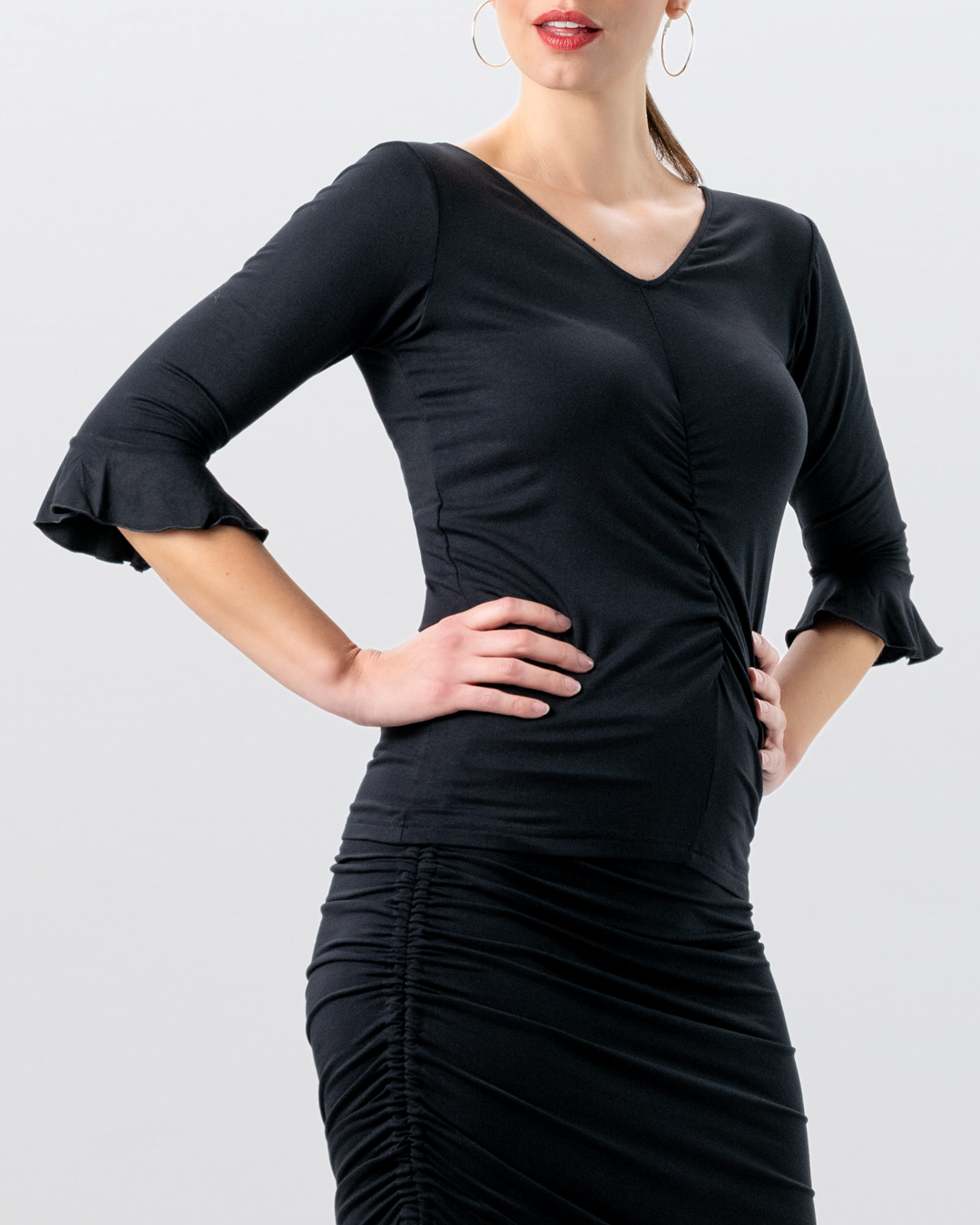
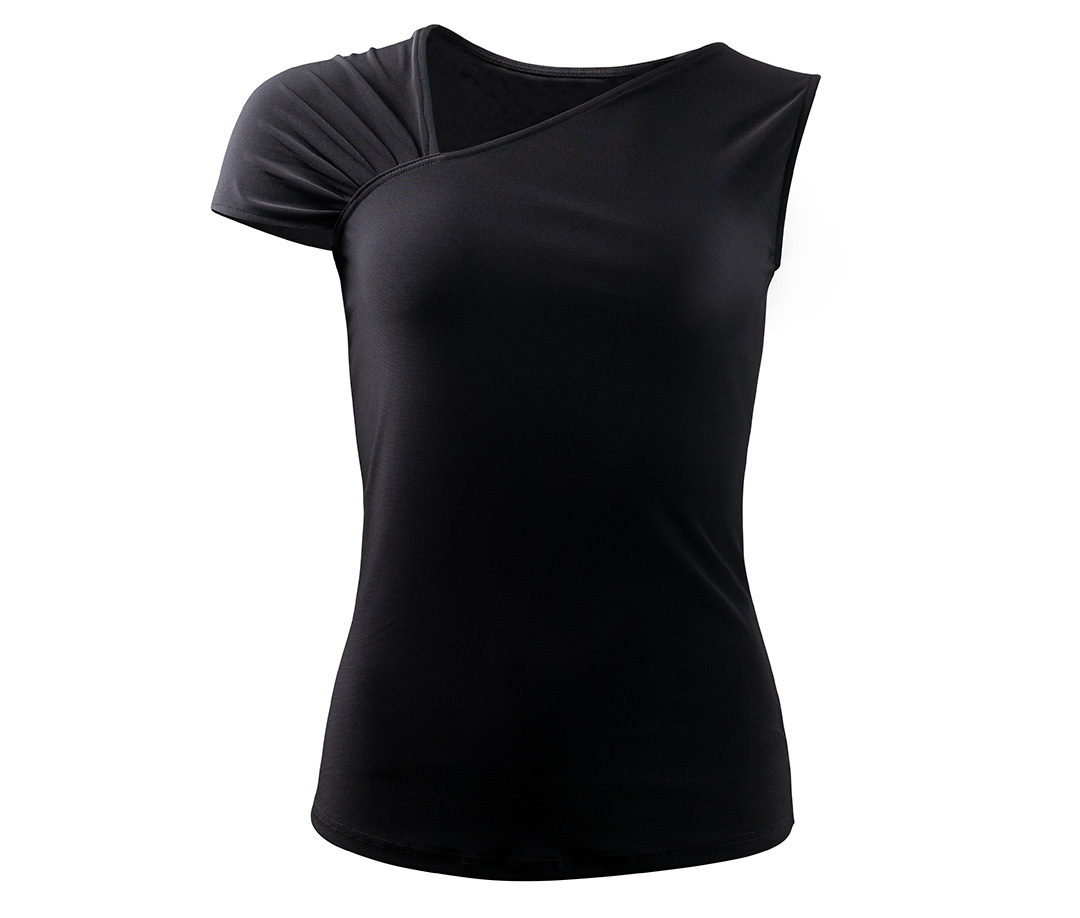
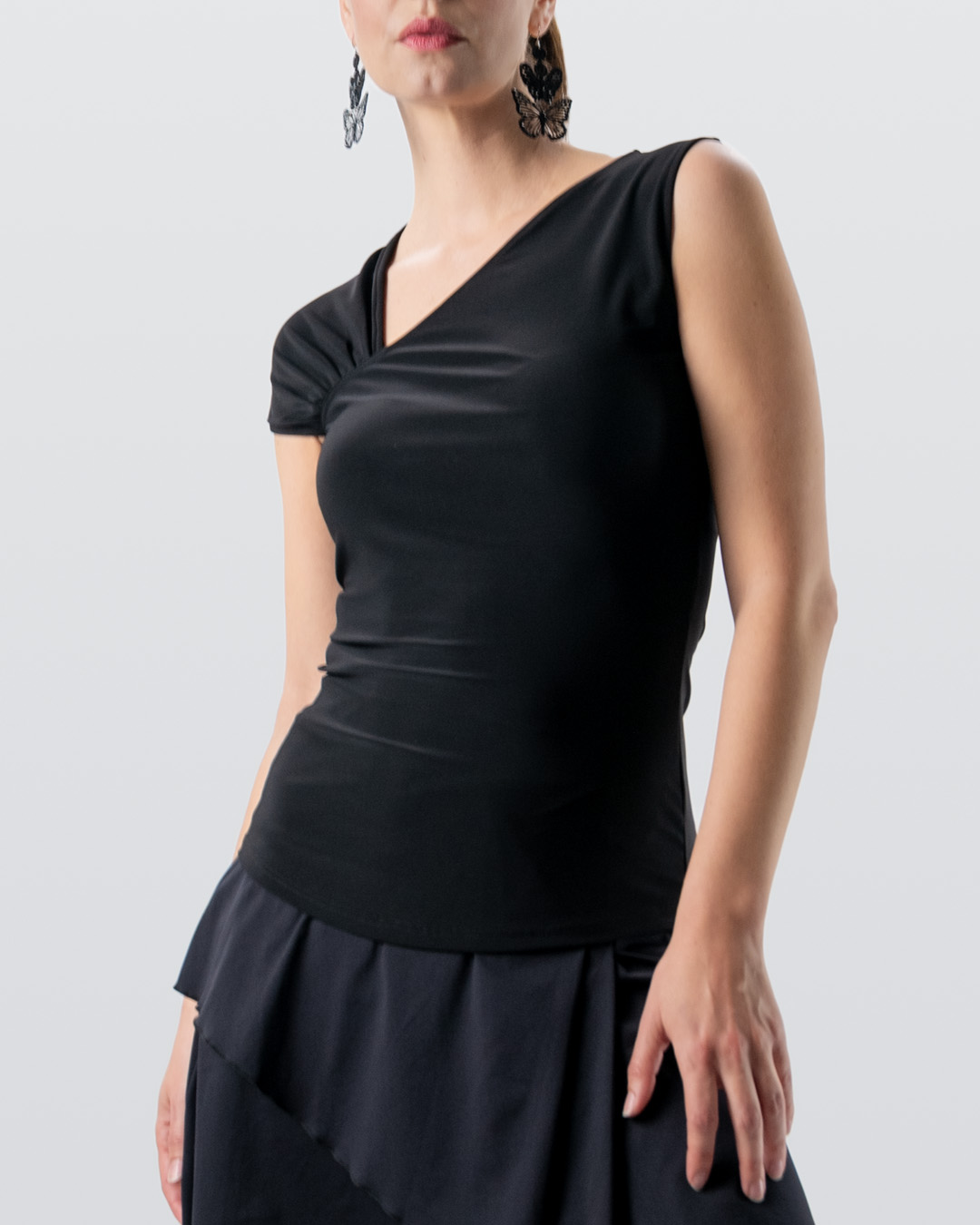
FAQ
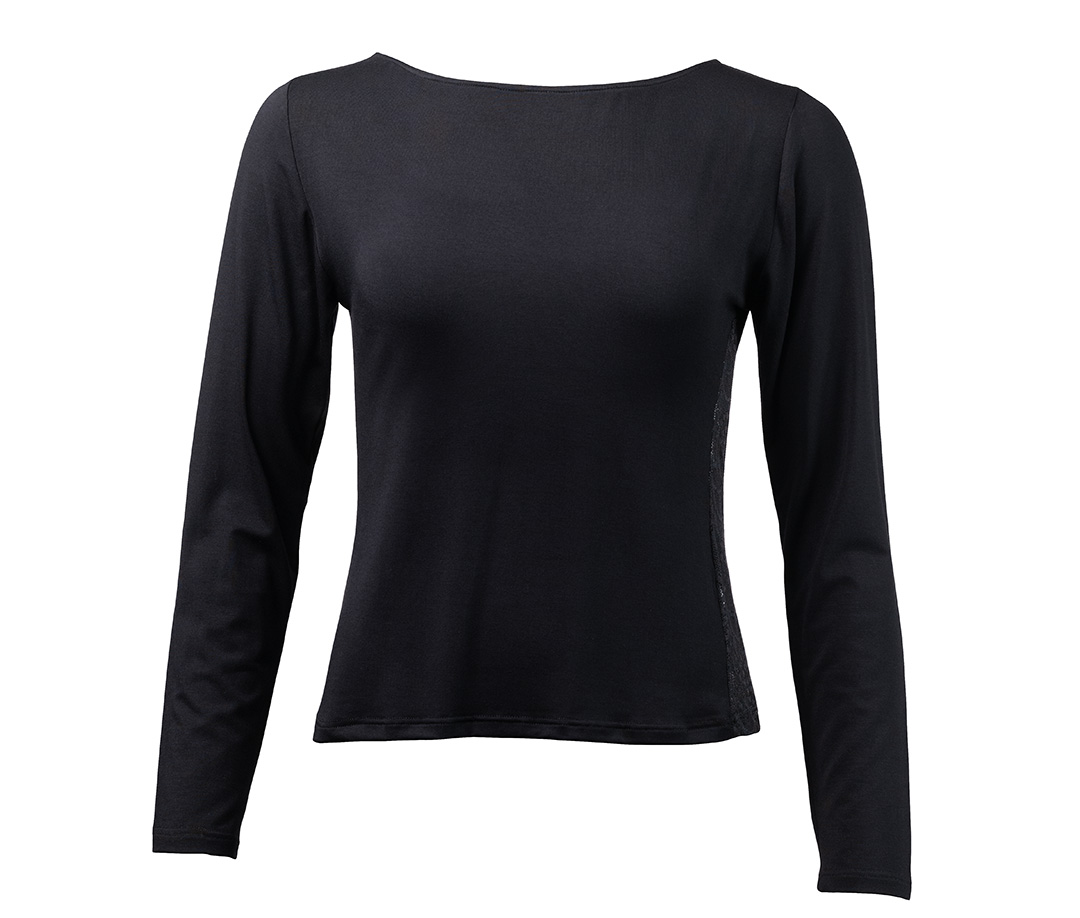
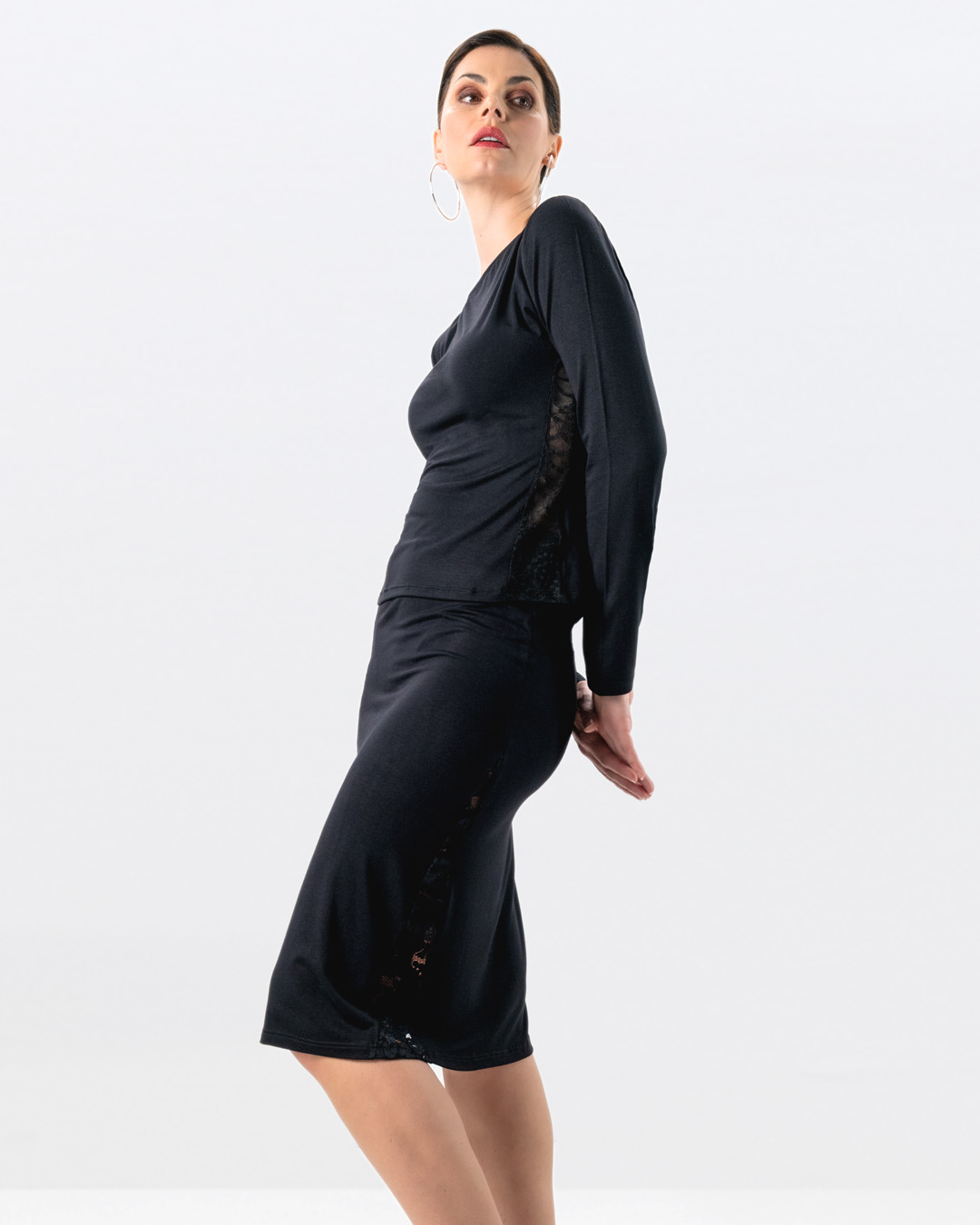
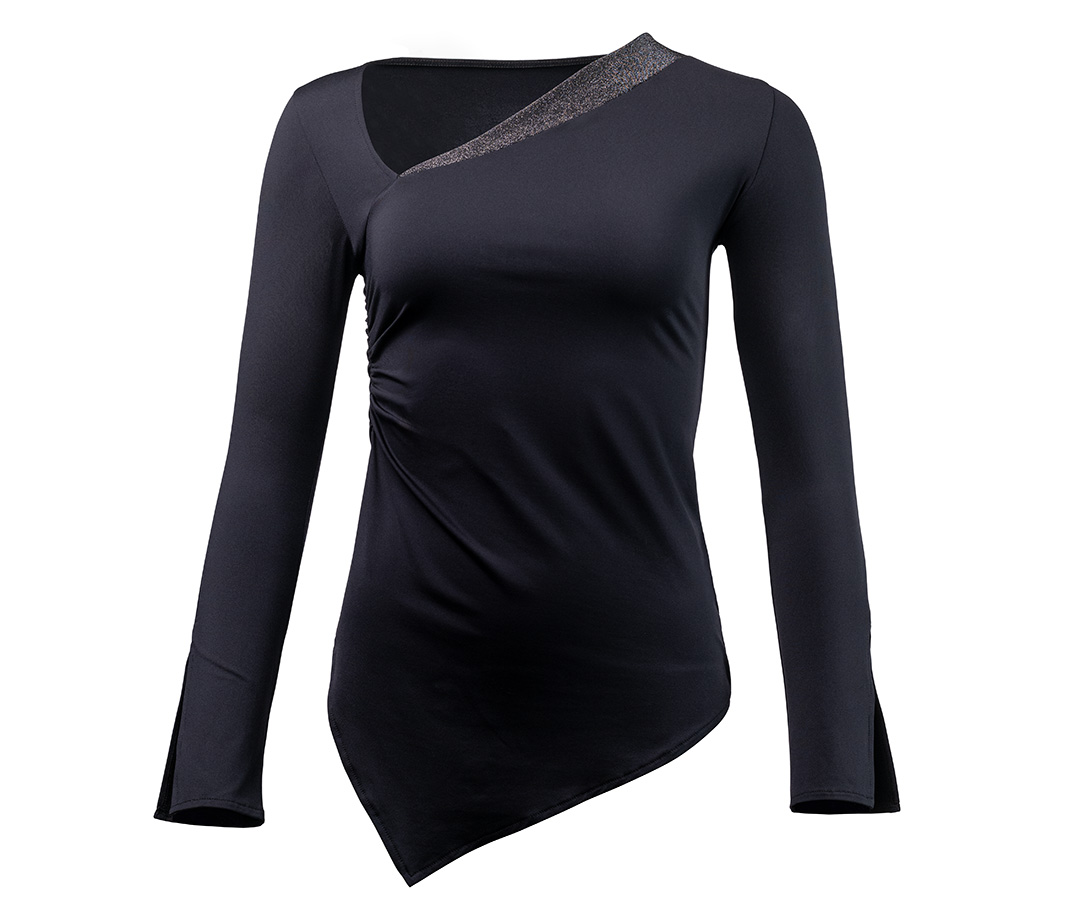
Regular tops can have the following disadvantages: Cotton absorbs a lot of sweat and stays damp for longer. Loose-fitting shirts can shift during turns or overhead movements. Less elastic fabrics can restrict freedom of movement. The biggest difference usually becomes apparent during longer training sessions: A high-quality dance shirt stays dry, flexible, and securely in place, while a regular T-shirt can become heavy and damp over time.
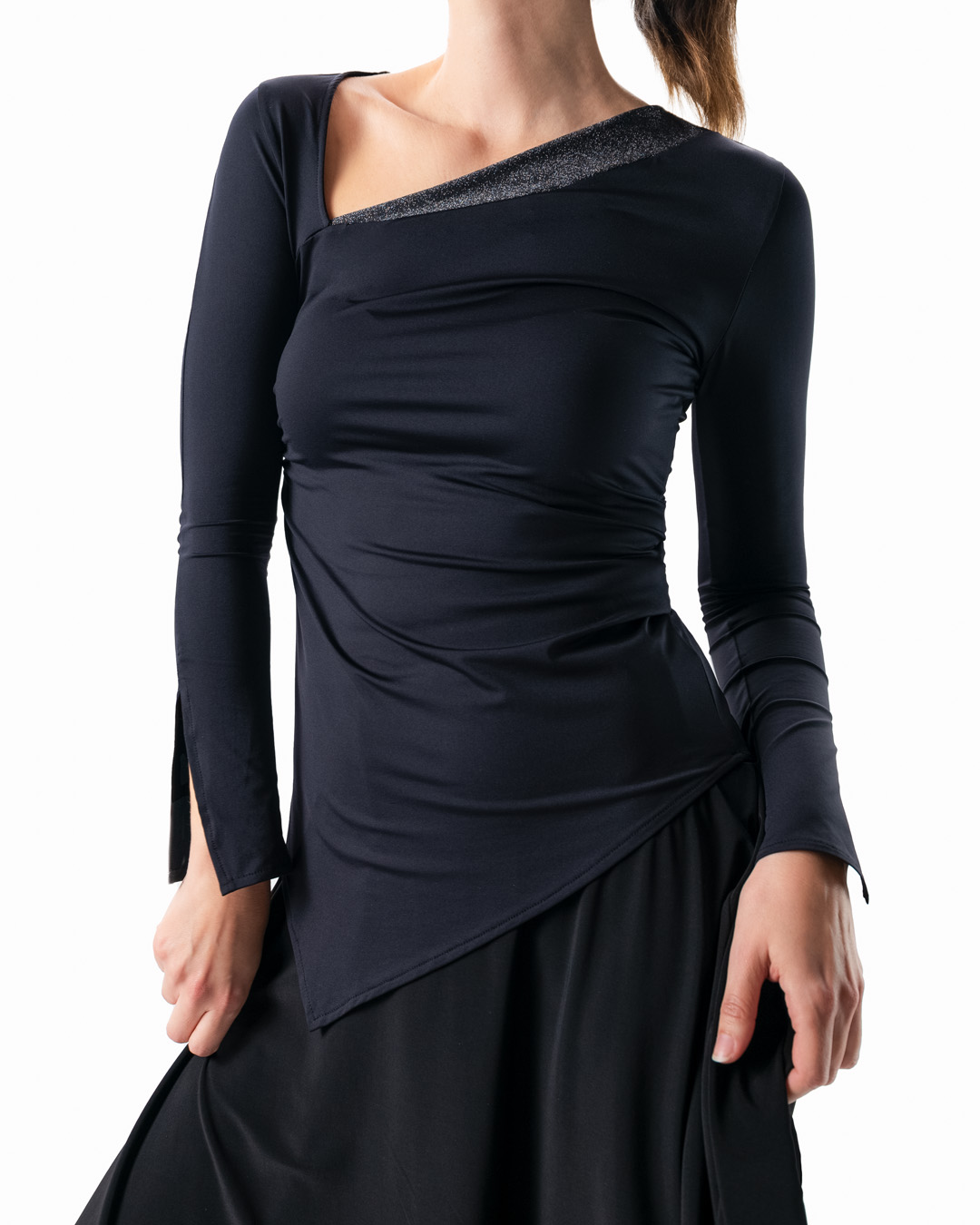
Breathable materials: Our shirts are made from performance fabrics that quickly wick sweat away from the skin and dry faster than cotton.
For beginners, the best dance shirt is not necessarily the most expensive one, but rather one that fits comfortably and provides optimal freedom of movement during all movements.
- Elastic material: A percentage of elastane (approx. 5–15%) ensures maximum flexibility.
- Breathable: Moisture-wicking fabrics keep you comfortably dry even during longer training sessions.
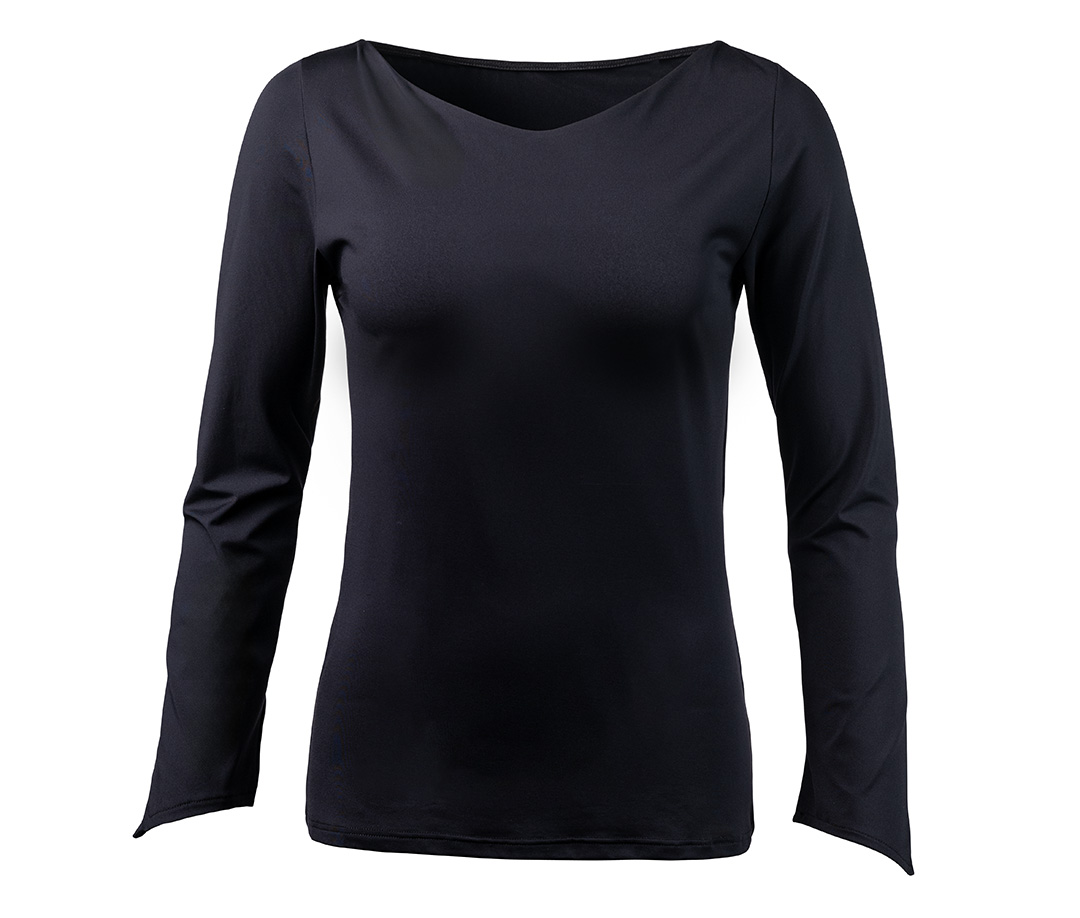
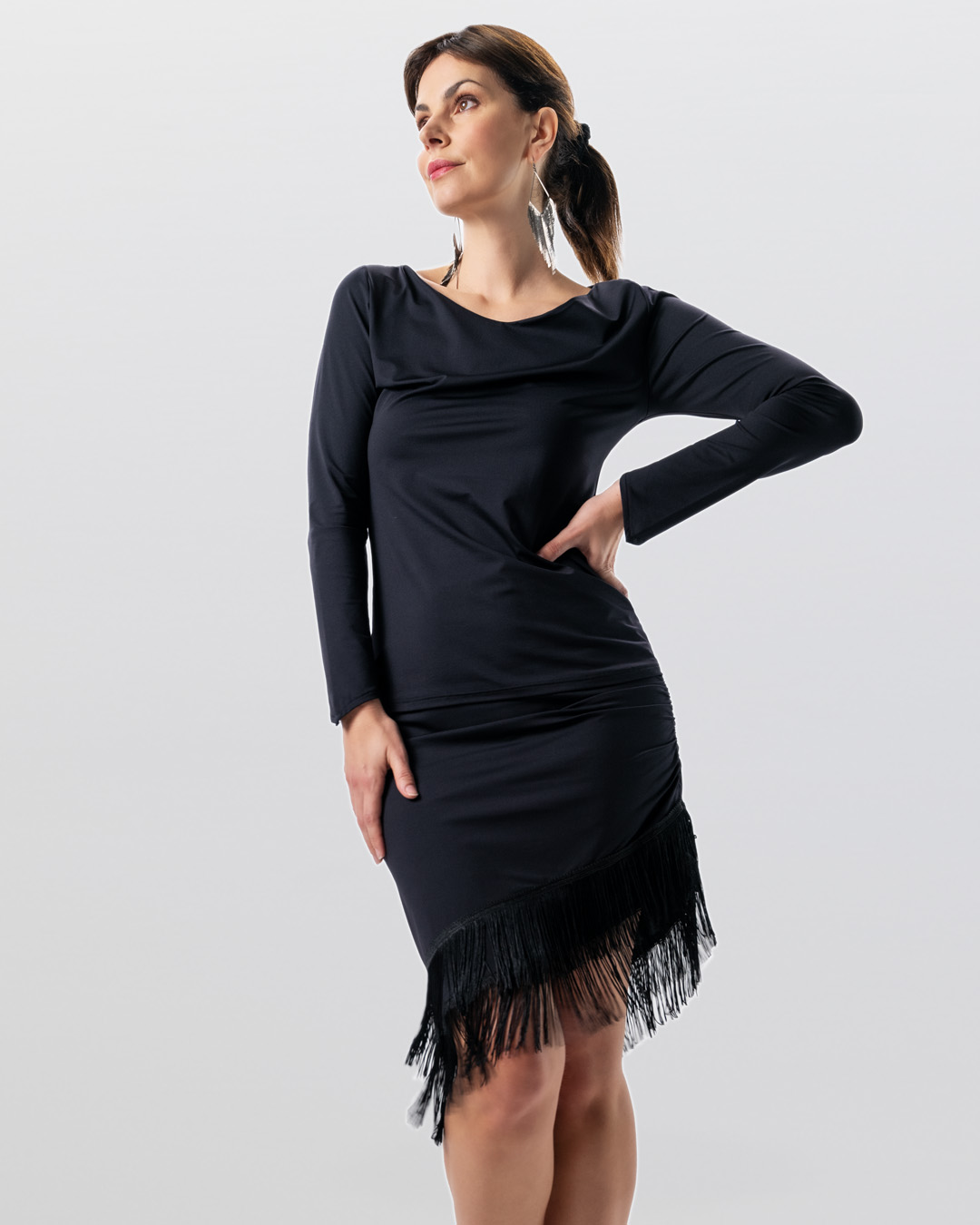
- Optimal fit: The shirt should be neither too tight nor too loose, so that movements are not restricted.
- High wearing comfort: Soft or flat seams prevent chafing against the skin.
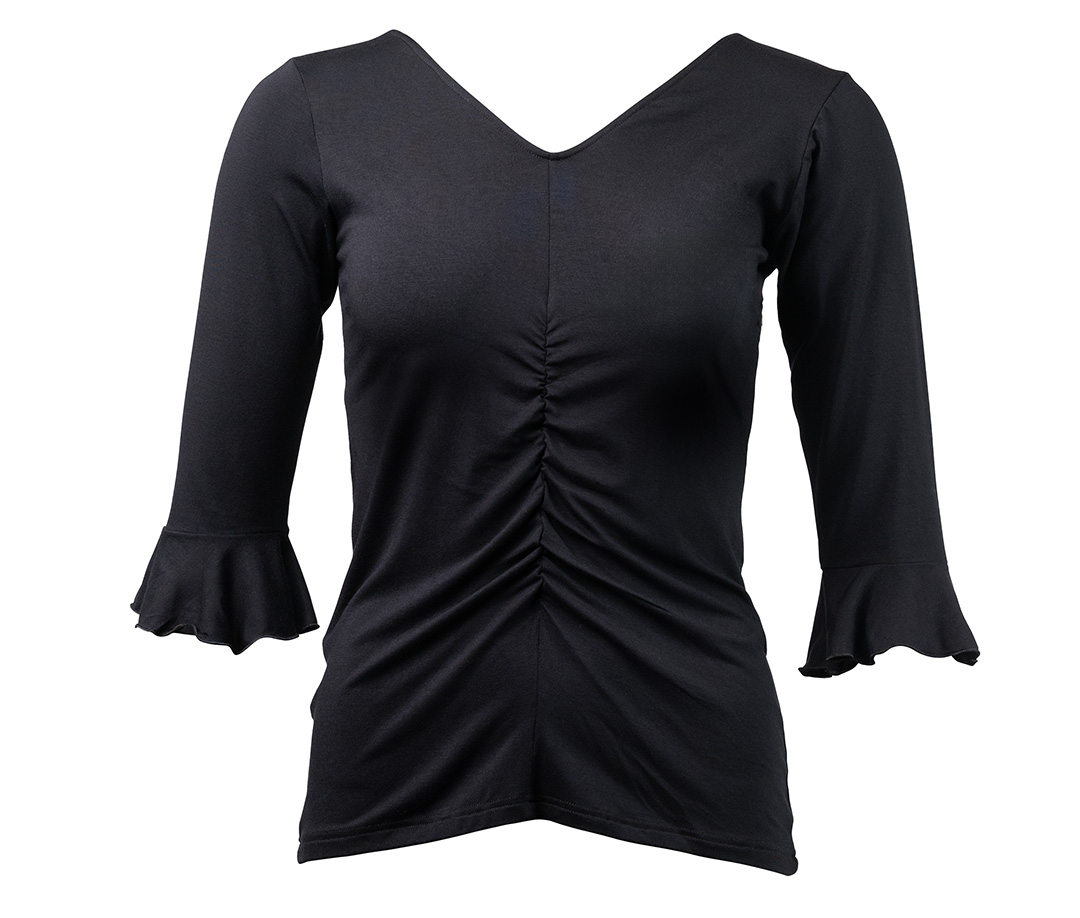
- Simple design: A plain dance shirt can be combined in many ways and suits almost any dance style.
For your first dance lessons, a high-quality sports shirt is often sufficient. However, if you train regularly, you can benefit from the advantages of a specialized dance shirt: greater freedom of movement, high wearing comfort, and quick-drying materials make training more comfortable and easier.
Follow us on Youtube!

