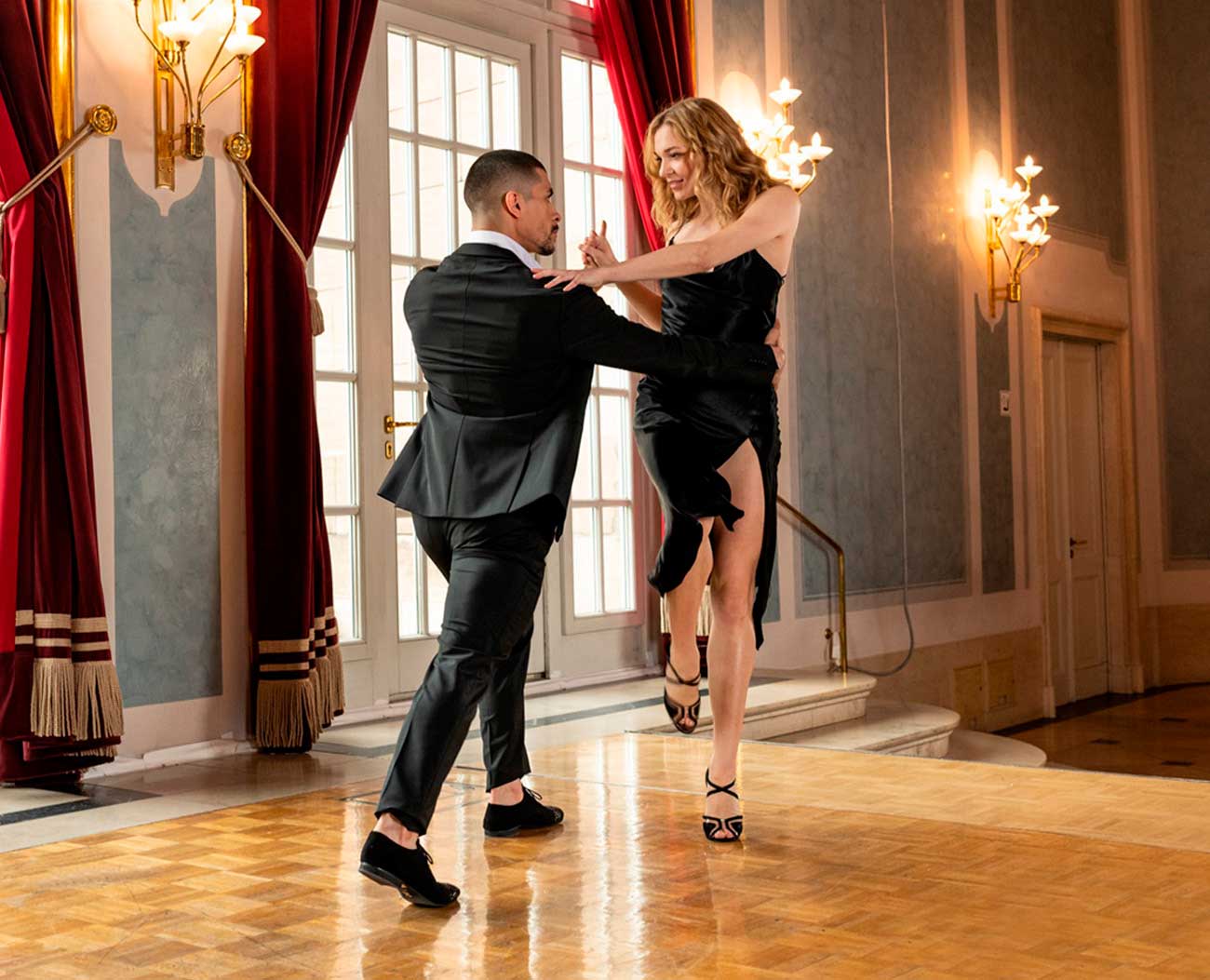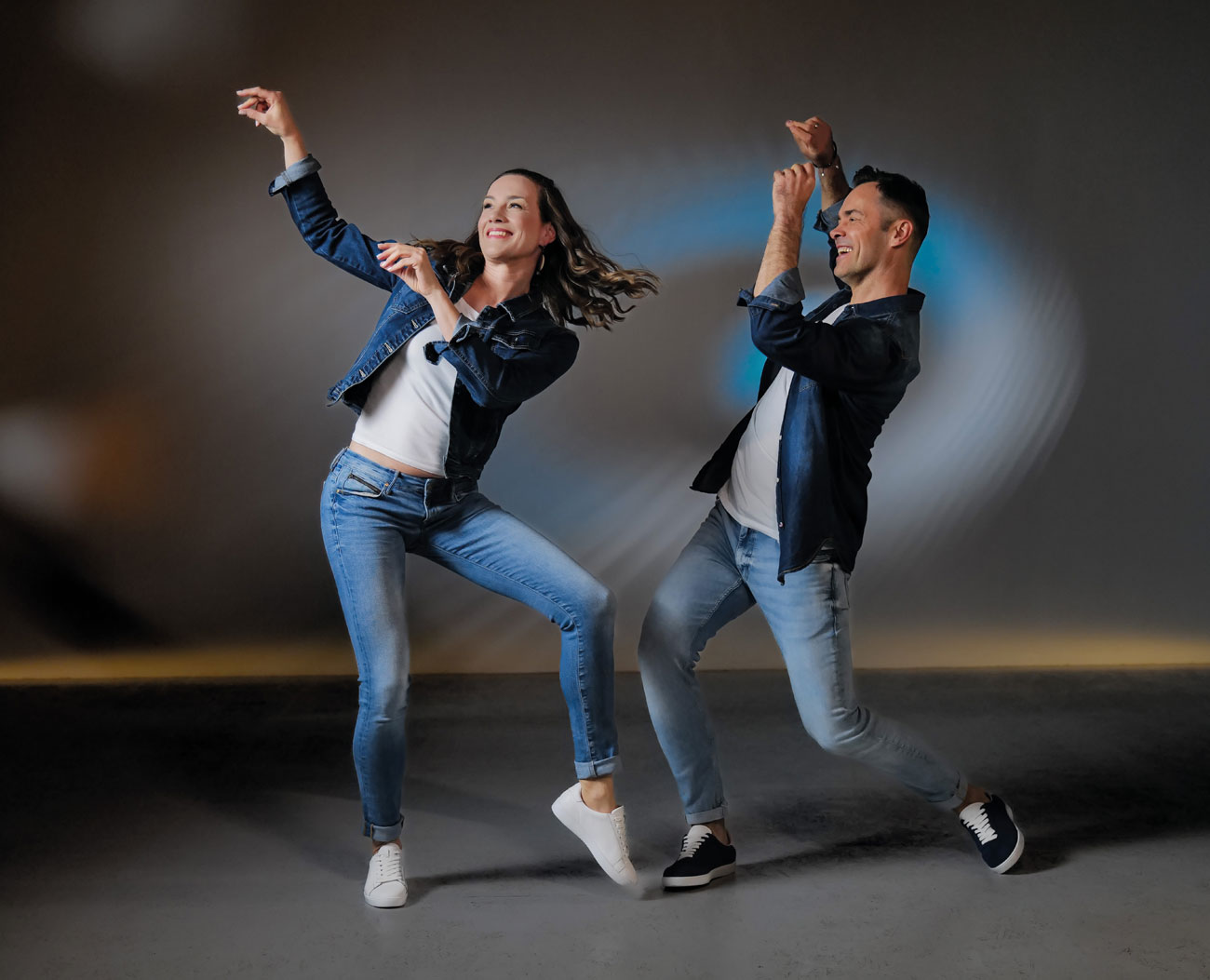
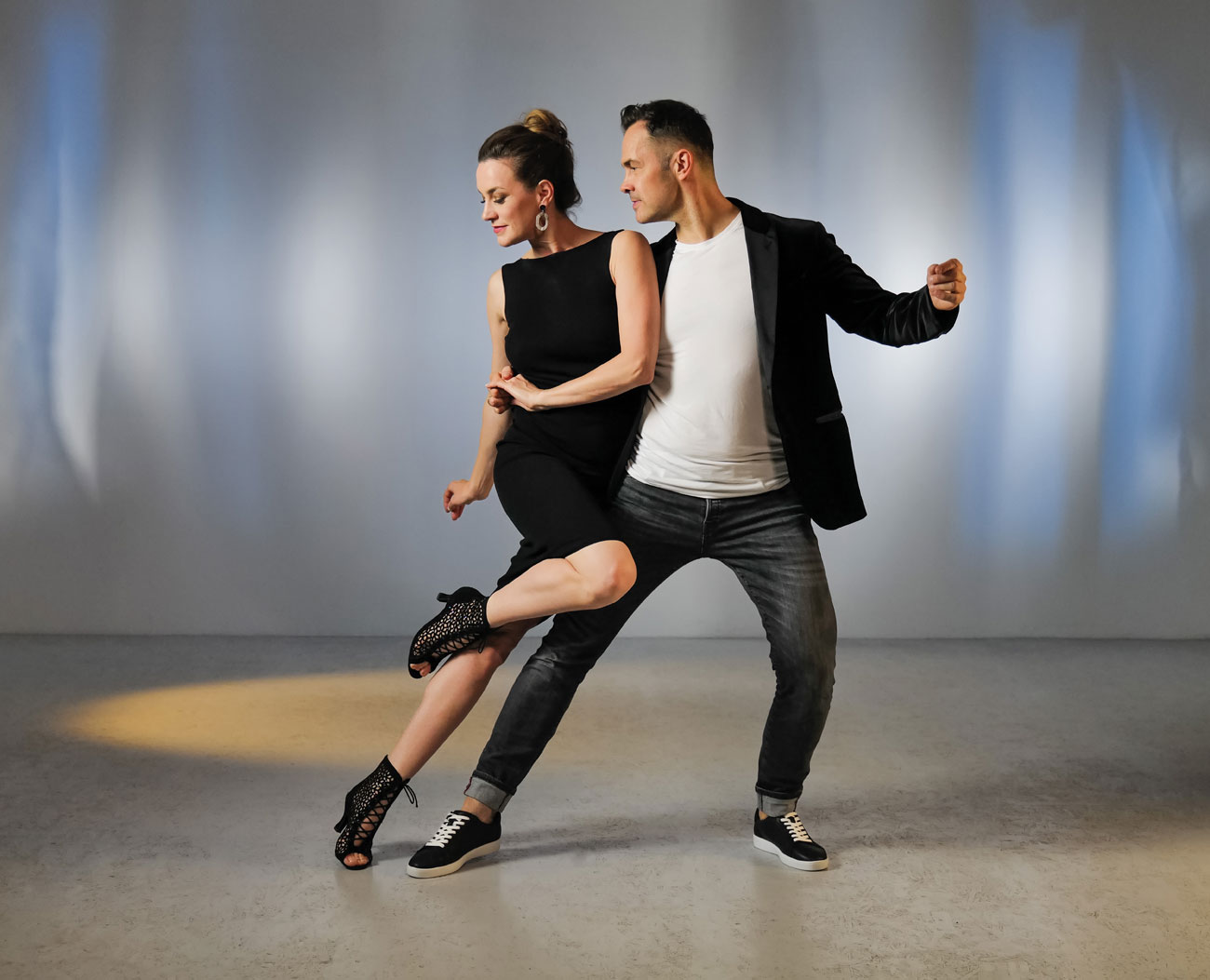
When people think of salsa, they often picture dancers moving lightly, rhythmically, and full of energy to the music. This sensual partner dance is defined by closeness, expression, and precise footwork, yet it is far more accessible than it may seem at first glance. Even with just a few basic steps, you can quickly develop a feel for rhythm, flexibility, and moving together with another person to the music.
In this article, you'll learn what makes salsa a social dance, where it comes from, which dance styles exist, and how to get started. We'll also show you what to consider when it comes to clothing, shoes, and music so that you can feel confident, free, and comfortable while dancing salsa.
Salsa Dance at a Glance
- Salsa is a lively partner dance set to Latin American music, characterized by rhythm, quick weight transfers, and flowing turns.
- Getting started is possible even without previous dance experience, as the basic step and first figures are easy to learn.
- Salsa thrives on the interaction between the leader and the follower, but it can also be danced solo or in group formats.
- With the right clothing, suitable dance shoes, and a love of music, salsa becomes a sociable dance enjoyed in dance schools, at parties, and at social dance events.
What Is Salsa Dance?
Salsa is a lively partner dance that combines music, rhythm, and movement in a particularly expressive way. It is primarily danced to Latin American music. Characteristic features include a clear beat, quick weight transfers, and flowing turns. As a partner dance, salsa is usually danced by two people. One person leads while the other follows, creating a dynamic dialogue with the music. Nevertheless, there are also solo elements and group formats such as Rueda de Casino. This makes salsa not only a dance technique but also a social dance that brings people together through music and movement.
Typical elements of salsa include the basic step, rhythmic hip and body movements, and turning figures. Depending on the music, style, and dancers, salsa can appear lively, playful, elegant, or sensual. Although salsa is highly energetic, it is also well suited for beginners. The basic step and first step patterns are relatively easy to learn. Over time, musicality, body awareness, partner work, and expression naturally develop.
The Salsa Basic Step
Footwork plays an important role in salsa. The basic salsa step is usually danced over eight counts: Steps are taken on 1, 2, 3 and 5, 6, 7, while there is a brief pause on 4 and 8. The steps remain small as the weight shifts rhythmically from one foot to the other.
Here's how it works
- 1: Step forward with your left foot.
- 2: Shift your weight back onto your right foot.
- 3: Bring your left foot back to the center.
- 4: Brief pause.
- 5: Step backward with your right foot.
- 6: Shift your weight forward onto your left foot.
- 7: Bring your right foot back to the center.
- 8: Brief pause.
Once you've mastered the basic step, you can add your first turns, cross-body movements, and simple combinations. Many salsa figures look very dynamic. In reality, however, they are based on clear, recurring movement patterns—not on exaggerated hip movements. Anyone learning salsa should therefore practice the basic step repeatedly until the footwork becomes second nature.
Where Does Salsa Come From?
Salsa has its roots in Caribbean music and dance culture, particularly in Cuba and Puerto Rico. Over the years, it has evolved by blending various Latin American rhythms and dance styles. The form of salsa that is widely danced today developed primarily within Latin American communities in New York, where Caribbean musical traditions merged with urban dance culture, jazz, and new musical influences. Unlike standardized ballroom dances, salsa does not follow rigid rules or examination systems. Instead, it emphasizes infectious energy, natural body movement, and the joy of dancing.
The Most Popular Salsa Styles at a Glance
| Salsa Style | Typical Dance Style | Character & Feel | Timing* | Best Suited For |
|---|---|---|---|---|
| Cuban Style / Casino | Circular movement, with partners dancing around one another | Lively, playful, social, and highly rhythmic | Usually On1 | Dancers who enjoy a natural, communicative, and dynamic style |
| LA Style / On1 | Danced in a straight line with a clear forward-and-back orientation | Elegant, energetic, precise, and often performance-oriented | On1, emphasizing the first beat | Beginners who prefer clear structures, as well as dance school students and performance dancers |
| New York Style / On2 | Also line-based, but with greater musical emphasis | Smooth, elegant, controlled, and highly musical | On2, with greater emphasis on the second beat | More experienced dancers or those with a strong interest in musicality |
| Mambo Style | Line-based and closely related to the New York Style | Rhythmic, understated, elegant, and expressive | Usually On2 | Dancers who appreciate musicality, timing, and precise body control |
| Rueda de Casino | Several couples dance together in a circle, changing partners and figures on command | Sociable, playful, energetic, and group-oriented | Usually On1 | Groups, salsa parties, and anyone who enjoys interactive social dancing |
Note: "On1" means the basic step is emphasized on the first beat of the music. "On2" means the movement is emphasized more strongly on the second beat.
Learning Salsa: How to Get Started
Learning salsa is easier than many people initially expect. At first, the focus is on the basic step, simple weight transfers, body movement, and developing a sense of rhythm. Once these fundamentals feel natural, you can gradually move on to more advanced steps, turns, figures, and partner work. In the beginning, the goal is not to perform everything perfectly, but to repeat what you've learned until it becomes second nature. As you master the basic movements and gradually explore new figures, you'll quickly gain confidence on the dance floor.
Do You Need Previous Dance Experience?
No, you don't need any previous dance experience to learn salsa. Most beginner classes at dance schools start from scratch, explaining the basic steps, rhythm, and coordination in a clear and easy-to-follow way. Even if you've never danced before, you can learn salsa step by step.
Can You Start Without a Dance Partner?
Yes, you can absolutely start learning salsa without a permanent dance partner. In many salsa classes, partners rotate regularly so everyone has the opportunity to dance with different people and develop a better understanding of both leading and following. That's why it's usually no problem to sign up for a beginner's class on your own. You can also practice many of the fundamentals by yourself outside of class.
Common Beginner Mistakes in Salsa
When you first start dancing salsa, a few small mistakes are completely normal. However, many of them can be avoided quite easily:
- Taking steps that are too large: Salsa looks more controlled when you keep your steps small.
- Focusing too much on figures: In the beginning, mastering the basic rhythm is more important than learning complicated combinations.
- Tensing up your body: A relaxed posture makes movement, leading, and following much easier.
- Unclear weight transfers: Your weight should shift consciously from one foot to the other.
- Not listening closely enough to the music: The rhythm determines when and how the steps should naturally be danced.
What Should You Wear for Salsa Dancing?
For salsa dancing, choose clothing that allows you to move freely while feeling comfortable. Since salsa is characterized by quick turns and flowing movements, your outfit should never restrict your mobility, slip, or get in the way of your movements. Lightweight, breathable fabrics are especially comfortable and remain pleasant even during long evenings of dancing. For dance classes, practical and comfortable clothing is perfectly suitable. At salsa parties or social dance events, outfits are often a little more elegant. For these occasions, salsa dresses or salsa skirts are ideal. After all, salsa is also about style and confidence on the dance floor.
--> Salsa Dancewear
Which Shoes Are Best for Salsa Dancing?
The best shoes for salsa provide stability while allowing you to turn smoothly and effortlessly. Especially during fast spins, it's important that the sole is neither too grippy nor too slippery. Regular street shoes are often only suitable to a limited extent because they can restrict movement on the dance floor or offer too little control.
When you're just starting out, clean and comfortable shoes with good support are perfectly adequate. However, anyone who dances salsa regularly will benefit from dedicated dance shoes that are specifically designed for flexibility, balance, and effortless turning. They create a lighter dancing experience and help you perform your steps with greater control.
What Music Is Best for Salsa Dancing?
Salsa dancing and salsa music are inseparable. Rather than simply dancing to music, the music sets the rhythm, determines the tempo, and gives life to every movement. Typical salsa music features percussion, brass instruments, and piano rhythms. Beginners should start with slower salsa songs to better recognize the rhythm and stay on beat more easily. As your skills improve, you'll naturally become more comfortable interpreting faster songs, musical accents, and rhythm changes.
10 Famous Salsa Songs
- Marc Anthony - Vivir Mi Vida
- Celia Cruz – La Vida Es Un Carnaval
- Héctor Lavoe – El Cantante
- Willie Colón & Héctor Lavoe – El Día de Mi Suerte
- Rubén Blades – Pedro Navaja
- Fania All-Stars – Quítate Tú
- Oscar D’León – Llorarás
- Eddie Santiago – Lluvia
- Gilberto Santa Rosa – Conciencia
- Grupo Niche – Cali Pachanguero
Why Is Salsa So Popular?
- Easy to learn: The first steps are easy to master, even without previous dance experience.
- Captivating music: Salsa rhythms are lively, energetic, and instantly inspire you to move.
- Social dancing: Salsa brings people together—at dance schools, parties, and social dance events.
- Expressive movement: The dance can be playful, elegant, or sensual.
- Active exercise: Salsa improves coordination, balance, rhythm, and posture.
- A worldwide dance community: Salsa is danced around the world, making it easy to meet new people wherever you go.
Where Can I Dance Salsa?
You can dance salsa at dance schools, dedicated salsa classes, clubs, bars, or salsa dance events. For beginners, joining a dance school is usually the best way to start, as you'll be introduced to the rhythm and your first dance figures step by step in a structured environment. If you already have some experience, salsa parties and open social dance evenings are great opportunities to continue practicing. The focus there is less on perfect technique and more on enjoying the music, movement, and dancing with different partners in a relaxed atmosphere.
Many cities also offer workshops, festivals, and regular salsa nights. This makes salsa not only a dance you can learn but also a social activity that can easily become part of your everyday life.
Salsa Dancing: The Joy of Life in Every Beat
Salsa is a lively, social, and versatile dance style that combines music, movement, and the joy of life. It is also an excellent choice for beginners with no previous dance experience, as the basic steps are easy to learn and provide the foundation for more advanced figures and freestyle dancing.
With regular practice, you'll quickly develop a stronger sense of rhythm, greater confidence, and more expression on the dance floor. With comfortable dancewear, the right dance shoes, and a love of the music, you'll be ready for your very first salsa class or social dance evening.
Frequently Asked Questions About Salsa Dancing
Salsa is beginner-friendly because the basic steps are usually easy to understand. As you progress, developing a sense of rhythm, mastering leading and following, and dancing freely to the music become more challenging. With regular practice and by dancing outside of class, you'll quickly become more confident on the dance floor.
Many people are able to dance the basic steps after just a few hours of practice. Feeling truly confident on the dance floor usually takes several weeks or months of regular dancing. The most important factors are how often you practice and whether you apply what you've learned outside of class.
Yes, many aspects of salsa can be practiced on your own outside of a dance class. These include the basic step, rhythm, weight transfer, posture, and simple turns. However, partner work, leading, following, and responding to another dancer can only be developed through dancing with others.
A good sense of rhythm is helpful, but it is not a requirement. Many beginners develop their timing through regular practice and by listening to salsa music. Good dance classes introduce the rhythm gradually and work with simple counting patterns.
Yes, you can start dancing salsa at almost any age. What matters most is not your age or fitness level, but your enjoyment of movement and choosing a pace that suits your body. Many dance schools offer classes for different skill levels, making it easy for beginners to get started.
About the Author
Bruno
Bruno is part of the Werner Kern team and works in the world of dance every day. Through close collaboration with dance teachers, professional dancers, and dance enthusiasts, he continuously gains valuable insights into different dance styles and their unique characteristics. He shares this knowledge in his articles, providing practical, easy-to-understand advice while focusing on what truly matters to dancers both on and off the dance floor.
You May Also Be Interested In