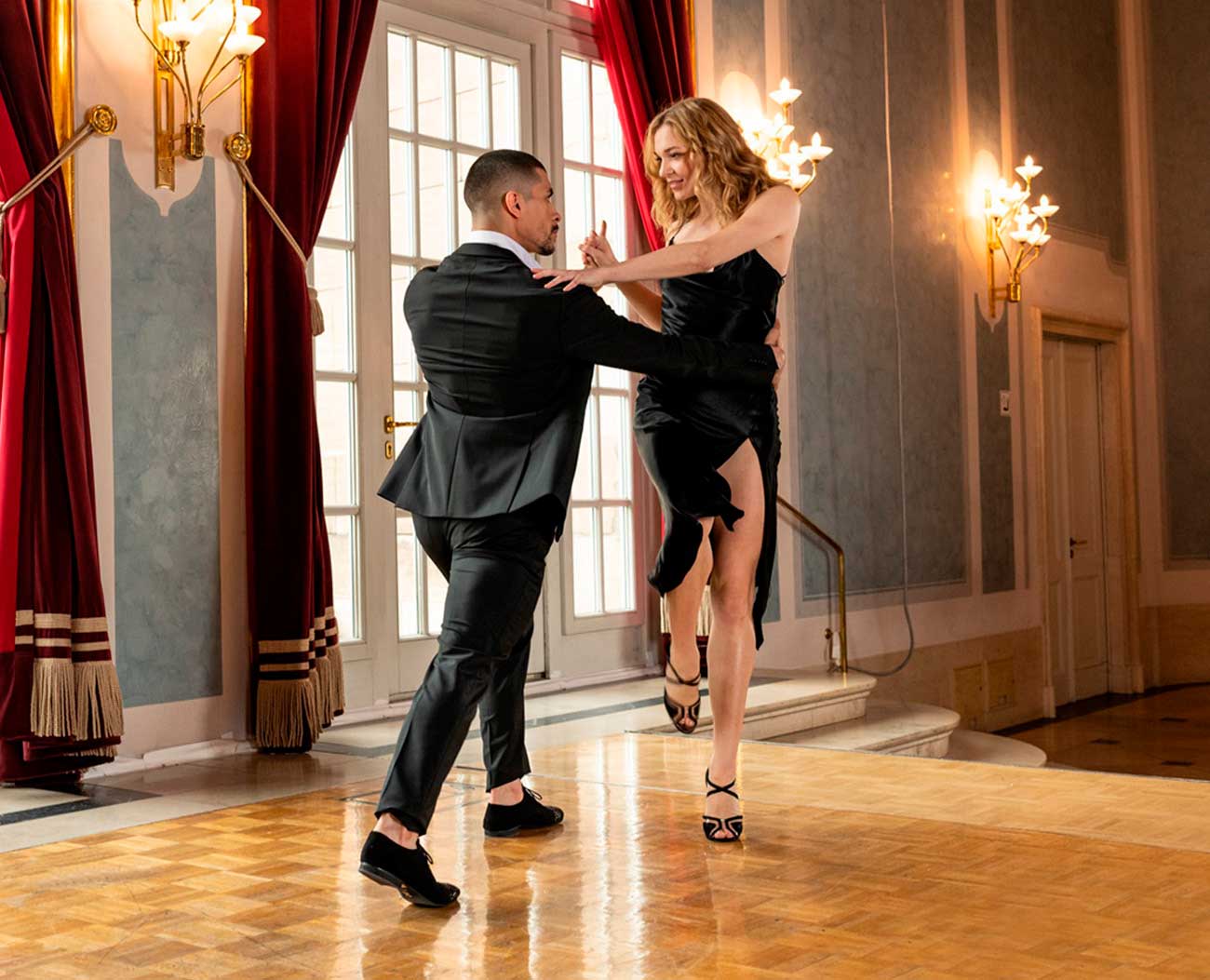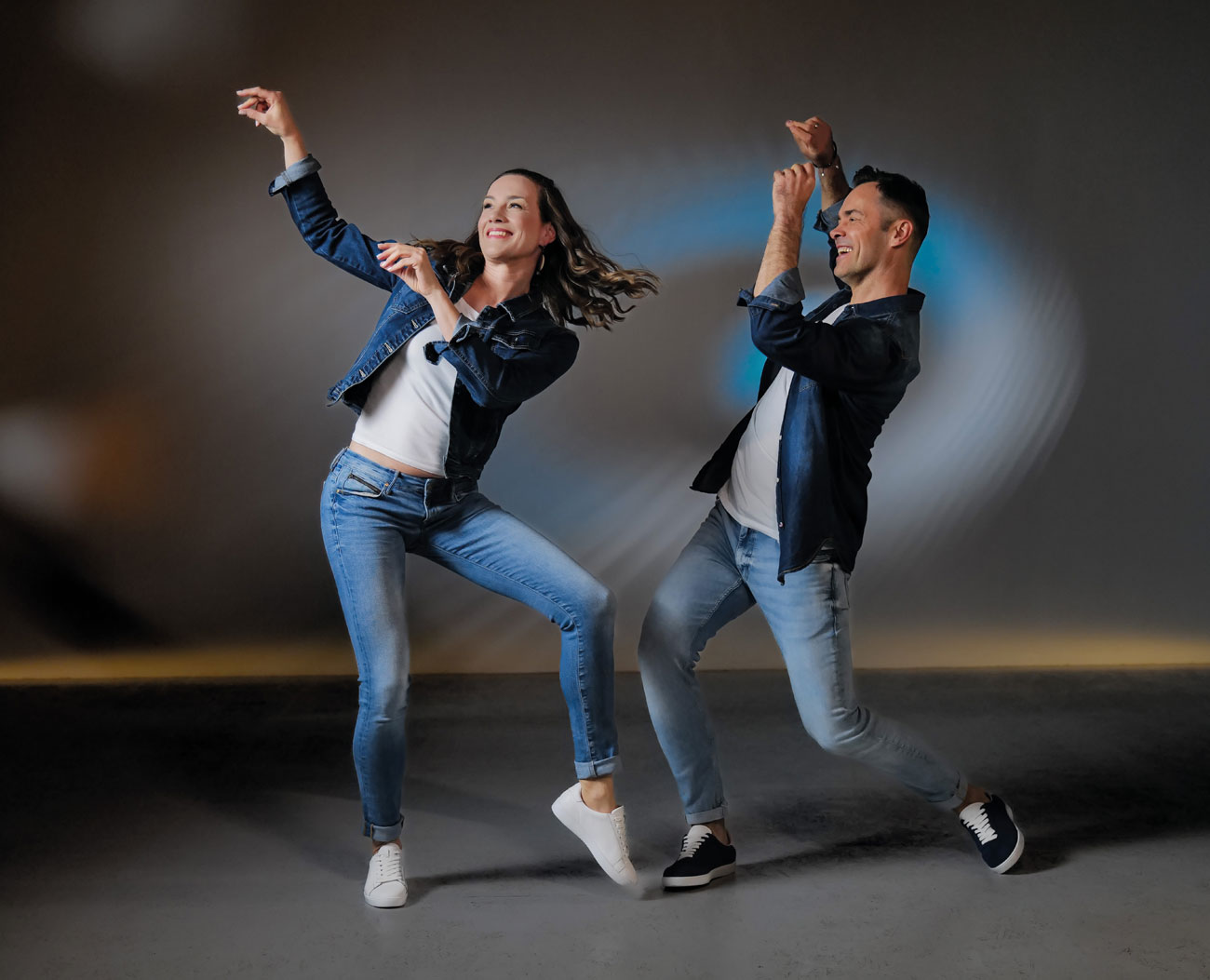
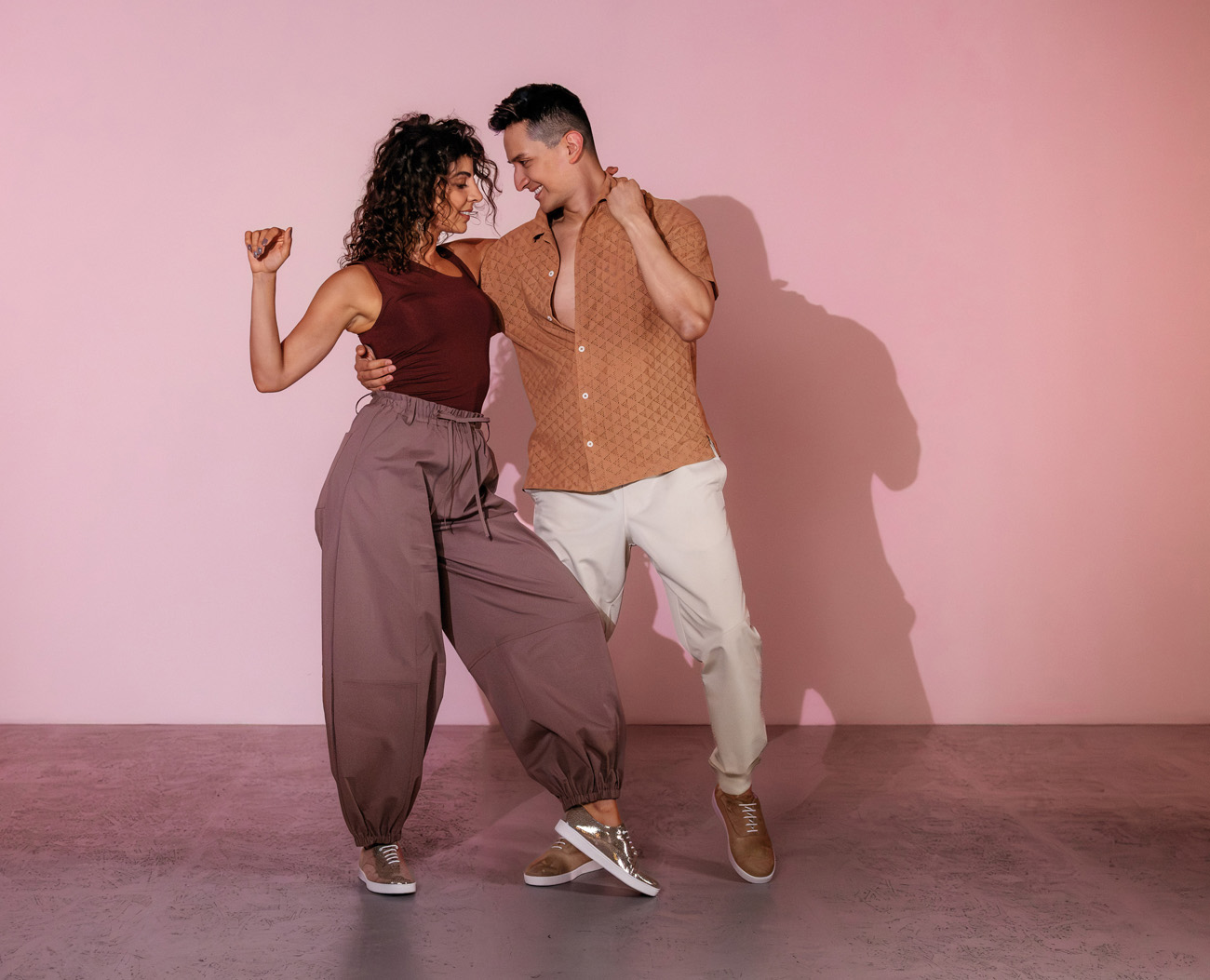
Sensuous movements and gentle hip sways to melancholic music – anyone who has danced Bachata knows exactly why this dance is associated with so much passion and has become so popular. While a few decades ago Bachata was primarily associated with the poorer sections of the population in the Dominican Republic and was danced in deprived neighbourhoods, today it is one of the most popular dances worldwide. Bachata has also become an integral part of many dance events, festivals and dance schools across Europe. But what exactly is Bachata? Where does it originate, and what styles are there? In this article, you will find all the key information about the history, basic step, music and distinctive features of this popular dance style.
Bachata – The Key Facts at a Glance
- What is Bachata? Bachata is a partner dance and musical style from the Dominican Republic.
- Typical features include a clear 4/4 time signature and the simple 1–2–3–tap basic step.
- Well-known dance styles include Bachata Dominicana, Sensual, Moderna and Fusion.
- Bachata is well suited to beginners and is now danced all over the world.
- When it comes to dancewear, freedom of movement, comfort and suitable footwear are particularly important.
What Exactly Is Bachata?
The term Bachata refers to both a musical genre and a Latin American partner dance. Its characteristic features include a clear rhythm, distinctive guitar music and an accessible basic step combined with flowing movements and characteristic hip sways. Depending on the style, Bachata can feel sensual, dynamic or even dramatic. Influences from Merengue, among other genres, can be seen in its movements and rhythm. Over the past few decades, Bachata has evolved considerably in terms of style and is now popular worldwide.
QUOTE:
“Bachata is a Caribbean bolero and part of Dominican folklore.” – Juan Luis Guerra, interview with El Tiempo
Where Does Bachata Come From?
Bachata originated in the Dominican Republic. It first developed as a musical genre in the 1960s and was heavily influenced by Bolero, Merengue and other Caribbean musical forms. From the very beginning, its distinctive guitar music played a defining role in Bachata. For a long time, Bachata was primarily associated with poverty and the lower social classes. The style was sometimes considered vulgar, making it difficult for it to gain social acceptance. This perception gradually changed over time.
What Is Bachata Like Today?
As it spread internationally, Bachata evolved from a regional musical genre into a dance style recognised around the world. Today, Bachata is danced by people in many countries and is taught at almost every larger dance school. International festivals, competitions and even a world championship are also held around Bachata. The first Bachata World Championship took place in 2005. Alongside its Dominican roots, Bachata has also incorporated influences from other Latin American and, in some cases, Cuban dance traditions. As a result, it is understood in a much broader and more diverse way today than when it first emerged.
How Do You Dance Bachata?
Bachata is usually danced with a partner. Depending on the style, it can be more rhythmical, soft and flowing, or passionate, with a greater emphasis on turns and body movements. However, its foundation remains a relatively easy-to-follow sequence of movements that closely follows the music.
The Bachata Basic Step
Similar to Merengue, the classic Bachata basic step follows a simple pattern in 4/4 time. Three steps are taken, followed by a tap on the fourth beat without fully transferring the body weight – often described as 1–2–3–tap. The step typically moves sideways: three steps in one direction, followed by a tap, then three steps back in the opposite direction, again ending with a tap. Shifting the body weight creates the characteristic hip movement. Turns, figures and other variations are subsequently built on this basic pattern. The clear rhythm also makes Bachata relatively easy for beginners to learn.
Is Bachata Always Danced in Close Hold?
Although Bachata is often perceived as a very sensual dance in which partners remain close together, it is not always danced in close hold. The distance between partners depends primarily on the particular style, the figures being danced and each person's comfort level.
What Bachata Styles Are There?
Over time, Bachata has developed into various styles that differ mainly in their movement quality, footwork, posture and dynamics. The best-known variations include Bachata Dominicana, Bachata Moderna and Bachata Sensual. The latter was shaped in part by Korke (Jorge Escalona) and incorporates influences from dances such as Zouk. Today, dancers around the world practise these different styles, which are also taught at many dance schools. Modern forms, in particular, sometimes incorporate movement principles from Zouk and other dance styles.
| Bachata Style | Character | Typical Features | Dance Style |
|---|---|---|---|
| Bachata Dominicana | Lively and playful | Fast footwork, rhythmic variations, weight shifts | Often danced with slightly more space between partners |
| Bachata Sensual | Soft and expressive | Flowing body movements, waves, turns | Often danced in closer hold |
| Bachata Moderna | Versatile and dynamic | Modern figures, turns, clear leading cues | Generally more open |
| Bachata Fusion | Creative and varied | Elements from different dance styles, free-flowing combinations of movements | Varies depending on the style and influences |
What Music Is Bachata Danced To?
Bachata is danced to Bachata music. Its characteristic sound is shaped primarily by melodic guitar music, alongside instruments such as bongos, bass and güira. Depending on the style, modern Bachata can also incorporate influences from Reggaeton or Merengue. Musically, Bachata can be both soulful and mellow or lively and dynamic. Well-known singers have helped shape the genre, as have modern artists who blend Bachata with other musical styles. Many artists focus on catchy melodies and emotional lyrics that translate directly into the atmosphere on the dance floor. This diversity is also reflected in the dancing: depending on the song, the emphasis may be on soft, flowing movements or on rhythmic steps and accents.
What Are Some Well-Known Bachata Songs?
- Obsesión – Aventura
- Propuesta Indecente – Romeo Santos
- Darte un Beso – Prince Royce
- Eres Mía – Romeo Santos
- Stand By Me – Prince Royce
- Te Extraño – Xtreme
What Should You Wear for Bachata?
There is no fixed dress code for Bachata. The main priority is to wear comfortable clothing that allows plenty of freedom of movement, whether you are at a dance school or out on the dance floor. Depending on the occasion, your outfit can be sporty, casual or elegant. Women might wear dresses, skirts, trousers or tops that do not restrict hip and leg movements. Men often opt for lightweight trousers and shirts or T-shirts. When it comes to footwear, a secure fit and ease of movement are also key considerations. If you dance Bachata regularly, you can choose clothing and shoes specifically suited to the demands of the dance. This helps dancers feel as comfortable as possible when performing turns, steps and dancing for extended periods.
Salsa or Bachata: What Is the Difference?
Bachata and Salsa are among the best-known Latin American partner dances, but they differ considerably in rhythm, movement style and overall feel. While Bachata is often slower and characterised by more lateral movements, Salsa is generally more dynamic and faster-paced. This is also evident on the dance floor, where both dances develop their own distinct character despite sharing Latin American roots.
| Feature | Bachata | Salsa |
|---|---|---|
| Origin | Dominican Republic | The Caribbean, particularly Cuba and Puerto Rico |
| Rhythm | 4/4 time with a clear, steady structure | Also in 4/4 time, but generally faster and more complex |
| Basic Movement | Often side steps with a tap | Forward and backward or linear, depending on the style |
| Dance Feel | Ranges from calm and soulful to rhythmic and playful | Dynamic, energetic and often faster-paced |
| Body Movement | Greater emphasis on hip and upper-body movements in some styles | Greater focus on step sequences, turns and leading |
| Typical Styles | Dominicana, Sensual, Moderna, Fusion | Cuban, LA Style, New York Style and others |
Conclusion: What Is Bachata?
From its beginnings in the Dominican Republic to its international popularity today, Bachata has undergone a remarkable transformation. Once considered vulgar in some circles and associated with poverty, it is now a dance style enjoyed all over the world. Bachata music combines traditional guitar music and influences from Bolero with modern elements from Reggaeton and other genres. Bachata has also become more diverse as a dance: from its characteristic hip sways to modern influences from Zouk, dancers today have a wide range of ways to express themselves. Whether at a dance school, at festivals or on the dance floor, Bachata now represents musical diversity, movement and the joy of dancing together.
What Is Bachata? – Frequently Asked Question
Bachata refers to both a musical genre and the associated partner dance originating in the Dominican Republic. Today, Bachata is danced worldwide in a variety of styles.
Yes, Bachata is very well suited to beginners. The dance is easy to understand, and its clear rhythm makes the steps easy to follow. Previous dance experience is therefore generally not necessary.
Bachata is primarily danced with a partner. However, many steps and figures can also be practised on your own.
Bachata Sensual is a modern Bachata style featuring flowing body movements, waves and smooth transitions. The style originated largely in Spain and incorporates movement influences from Brazilian Zouk, among other dance styles.
There is no fixed dress code. The most important thing is to wear comfortable clothing that allows plenty of freedom of movement. Depending on the occasion, your outfit can be sporty, casual or elegant.
Suitable shoes should fit securely and support your movements. Many dancers therefore opt for specialist Bachata dance shoes, but comfort and freedom of movement are the main priorities.
About the Author
Bruno
Bruno is part of the Werner Kern team and works in the world of dance every day. Through close collaboration with dance teachers, professional dancers, and dance enthusiasts, he continuously gains valuable insights into different dance styles and their unique characteristics. He shares this knowledge in his articles, providing practical, easy-to-understand advice while focusing on what truly matters to dancers both on and off the dance floor.
You May Also Be Interested In