
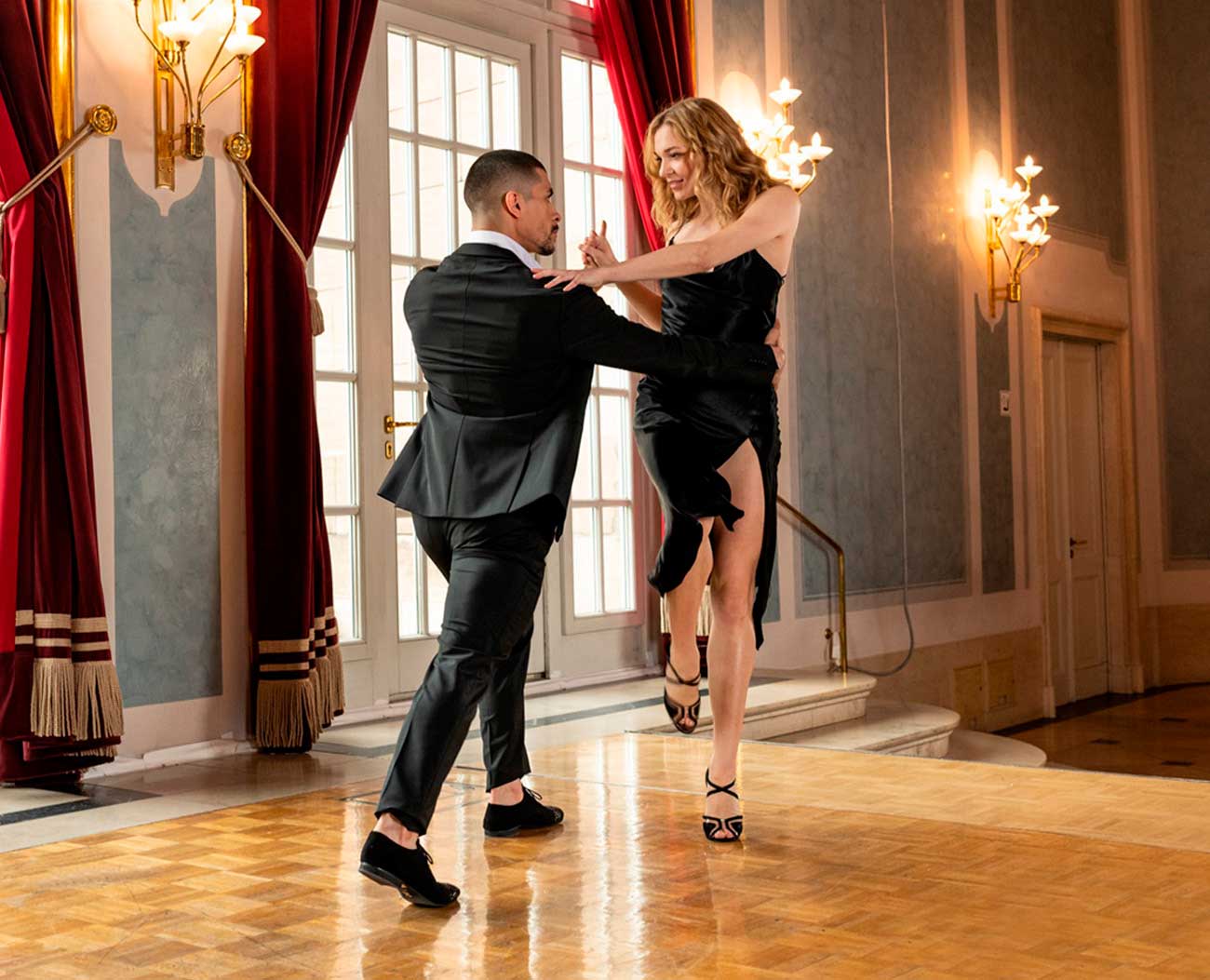
Standard ballroom dancing is one of the classic disciplines of DanceSport and stands for elegance, precision and harmonious movement. It is danced as a couple in closed hold with body contact, while the dance partners move across the dance floor in coordination with one another. Standard ballroom dancing comprises five dances: Slow Waltz, Tango, Viennese Waltz, Slowfox and Quickstep. Each dance has its own character. We explain what defines standard ballroom dancing, which dances belong to it and how dance competitions are structured in DanceSport.
Standard ballroom dancing at a glance
- Standard ballroom dancing is a discipline of DanceSport in which couples dance across the dance floor in closed hold.
- The standard programme comprises five dances: Slow Waltz, Tango, Viennese Waltz, Slowfox and Quickstep.
- Competitions are organised by age and proficiency classes, in which couples compete against each other.
- Among the criteria assessed are technique, posture, musicality and the harmony within the couple.
- Special dancewear – in particular dance shoes with a chrome leather sole – is highly recommended, as it makes turns and movements easier.
What is standard ballroom dancing?
Competition dances are standard and Latin dances that are practised competitively as a sport. Typically, dance couples compete against each other. Unlike in classic social dancing, competitive dancing places defined rules, technique and the assessment by adjudicators in the foreground. The aim is to perform steps as precisely and expressively as possible while presenting an elegant and harmonious overall picture. Which figures are danced and what the requirements for technique and expression are is prescribed and assessed by one or more adjudicators.
Where does standard ballroom dancing come from?
The beginnings of standard ballroom dancing go far back to the 14th and 15th centuries, when nobles and the upper middle class took part in social dances. Although most historical dances fell into oblivion over this long period, some were reconstructed in the 20th century through dance research and revived for performances and courses. Especially in England, fixed rules and techniques developed out of popular ballroom dances, which later laid the foundation for modern DanceSport. Dance teachers and associations began to standardise figures, step sequences and dance holds so that dancers worldwide could dance according to the same guidelines. In the early 20th century, the first official dance competitions emerged. With the founding of national and international DanceSport associations, standard dancing increasingly developed into an athletic discipline with clear scoring systems, proficiency classes and championships. Today, standard ballroom dancing is one of the most important areas of DanceSport and is danced worldwide at amateur and professional level.
What are the five standard dances in competitive dancing?
Standard ballroom dancing comprises five dances worldwide. They differ in tempo, character and movement style, but they all have one thing in common: dance couples move fluidly across the dance floor in closed dance hold. In all five dances, what matters is clean technique, the right rhythm and a harmonious coordination between the dance partners. Depending on the dance, different movement sequences and elements of choreography are required. The dance types form the basis of many national and international dance competitions.
| Dance style | Characteristics |
|---|---|
| Slow Waltz |
|
| Tango |
|
| Viennese Waltz |
|
| Slowfox |
|
| Quickstep |
|
How do competitions in standard dancing work
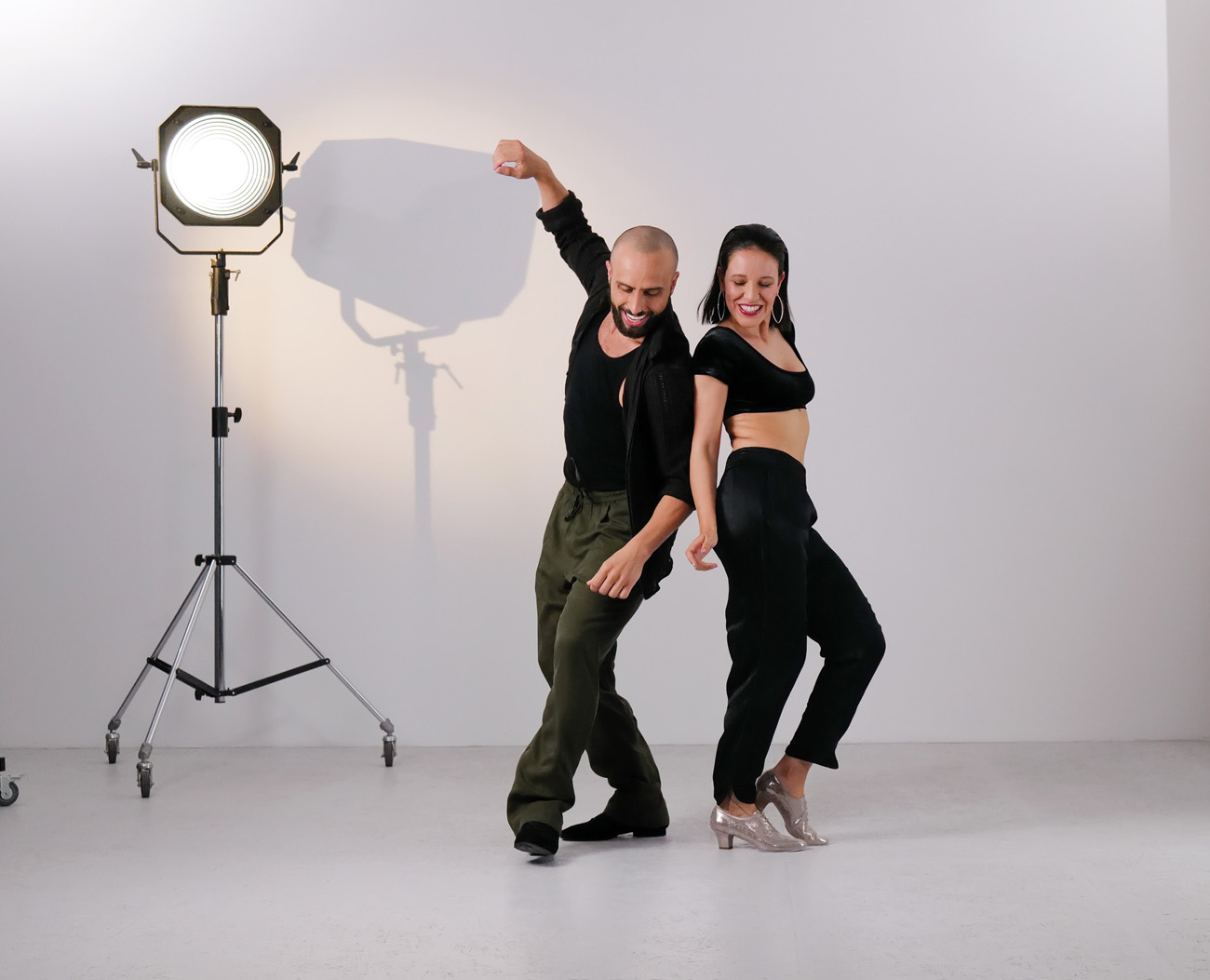
At competitive dance events, dance couples – divided by age groups and proficiency classes – compete against each other. The aim is to obtain a good assessment from the jury through the most accurate possible execution of dance movements and, with the points collected through a good placement, to work one’s way up into the next-higher class. Many couples train over the course of years in a dance club or DanceSport club before taking part in regional and national dance competitions.
Standard ballroom dancing by age groups
For an assessment that is as fair as possible, dancers compete against each other who have comparable experience and physical prerequisites. Measured by the age of the dance partners, participants are divided into groups such as Juniors, Youth, Main Group and Seniors.
Proficiency classes
In addition, dancers are classified according to their level of performance. Beginners compete in the amateur range, usually in the D class. Through successful competition participation, couples can advance via the C, B and A class up to the highest amateur class, the S class. The best couples qualify via national rankings and championships for international competitions such as European Championships or World Championships.
What types of competition are there?
- Recreational sport competition: In recreational sport competitions, beginners and hobby dancers can take part in standard ballroom dancing. The focus is on the enjoyment of dancing and first competition experience can be gained, without any advancement into higher proficiency classes being possible.
- Combination competition: At combination competitions, dance couples compete in the Latin and standard dances mentioned above. The overall score results from the results of both disciplines.
- Ranking competition: Ranking competitions are among the most important competitions in DanceSport. Here, ambitious dance couples collect points for the national ranking and measure themselves against each other at a particularly high athletic level. Successful placements at ranking competitions can be an important basis for participation in German Championships, European Championships and World Championships.
Which competition rounds are there?
A dance competition in standard dancing usually consists of several competition rounds, in which the jury selects the best dance couples round by round. Depending on the number of participants, several rounds can take place. Typically, a competition begins with a preliminary round, in which all registered couples compete. The jury then decides which couples advance to the next round. Depending on the size of the field of participants, intermediate rounds or semi-finals follow. The best couples finally reach the final, in which the definitive placement is determined. In this round, usually six couples dance, who are directly compared and assessed against each other by the jury.
Assessment criteria of the jury
In standard ballroom dancing, the performance of all participating couples is compared with one another and assessed accordingly. The jury assesses the dance performance according to the following criteria:
- Technique: Are all steps executed cleanly? Are foot position, posture and head position correct? Do partners move in sync?
- Timing: Does the couple dance in rhythm? Are tempo and dynamics implemented in keeping with the music?
- Balance: Is the body position relative to the dance partner correct, do both partners dance stably?
- Characteristics: Are the typical features of the respective dance maintained? Is the charisma appropriate and is the space used?
In Germany, the rules are set by the German DanceSport Federation (DTV) and in Austria by the Austrian DanceSport Federation.
The right equipment for standard dancers
The right equipment plays an important role in standard ballroom dancing. It supports clean movements, provides stability and helps dancers to move safely and comfortably across the dance floor. Besides the shoes, comfortable training clothing and, at competitions, suitable competition outfits are also part of standard dancers’ equipment. They underline the elegance of the dances and support a clean presentation on the dance floor.
Which dance shoes are suitable for standard ballroom dancing?
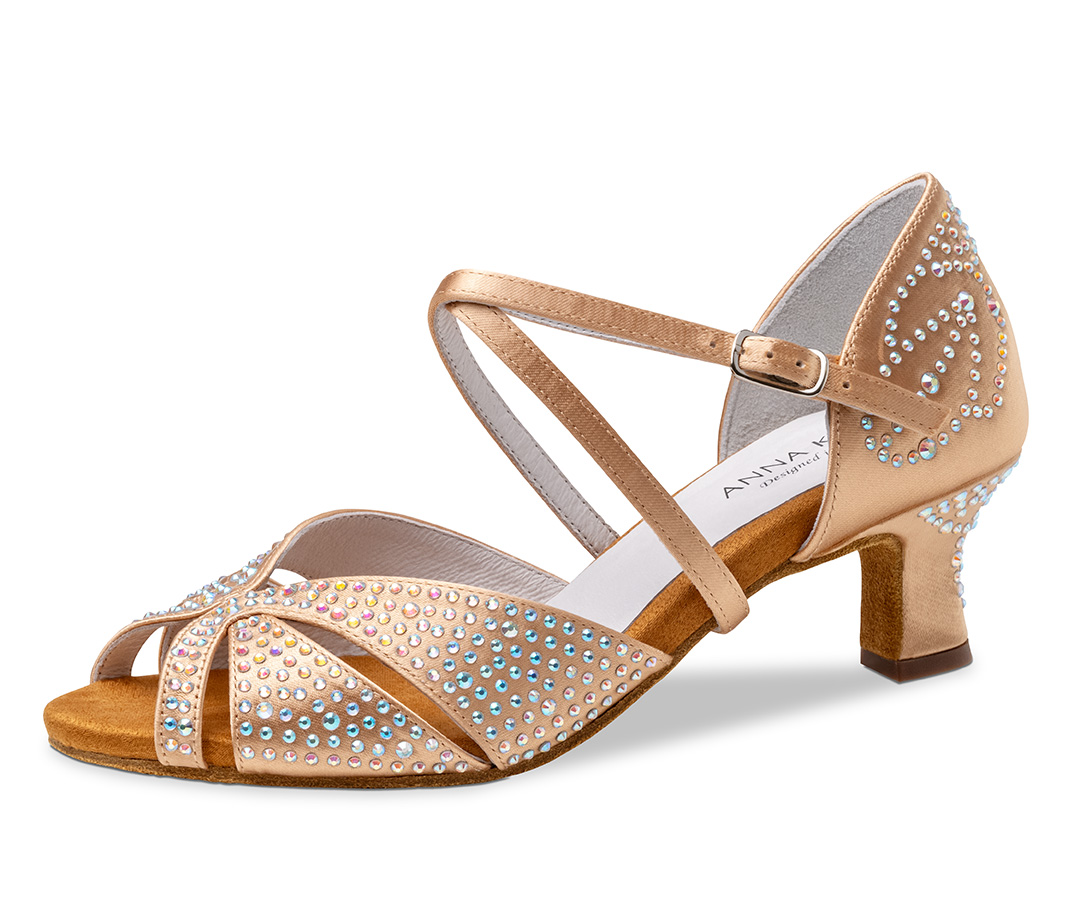
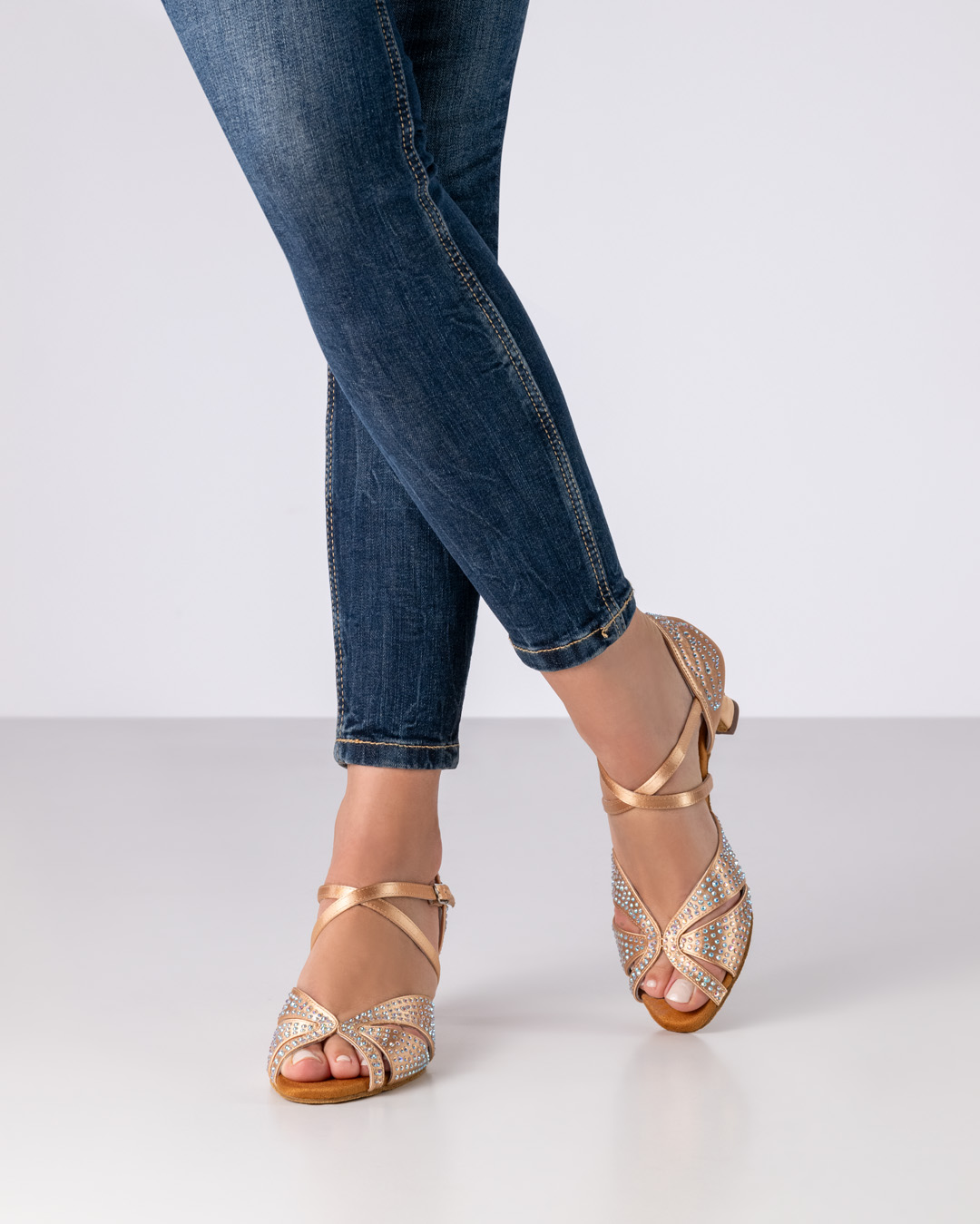
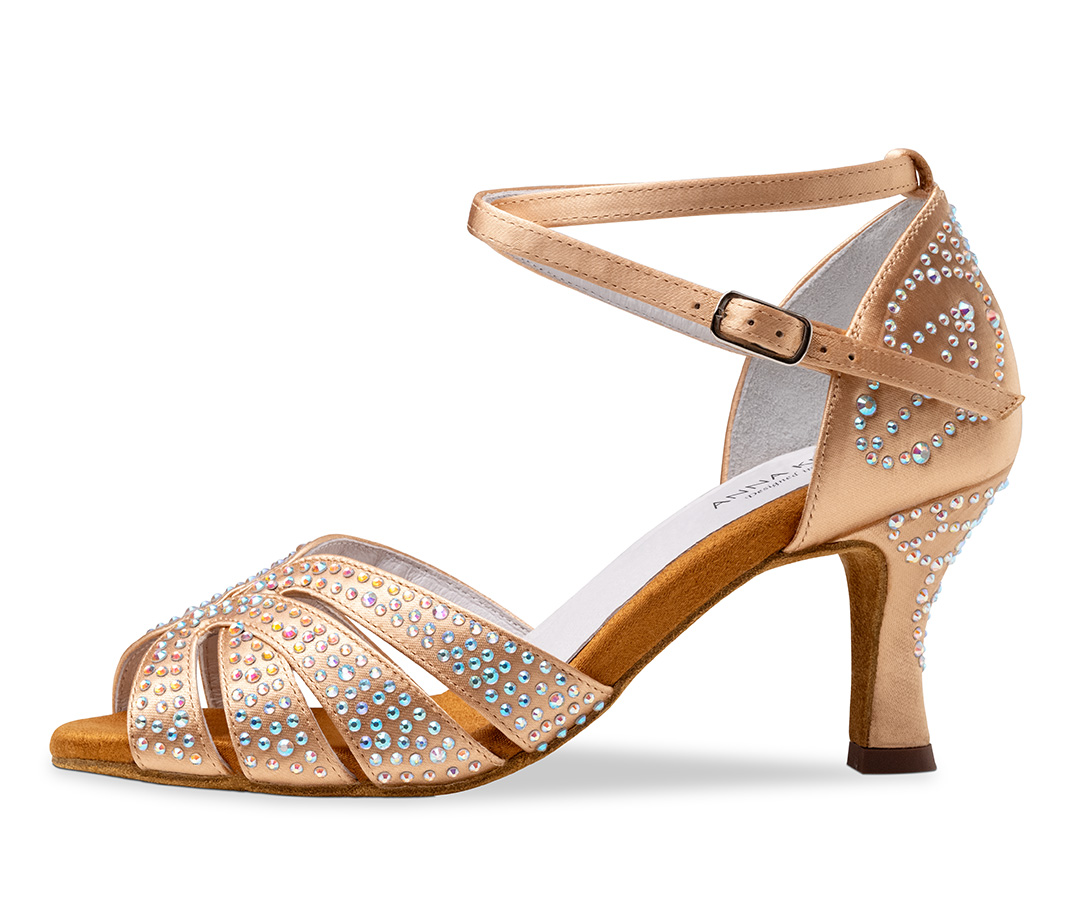
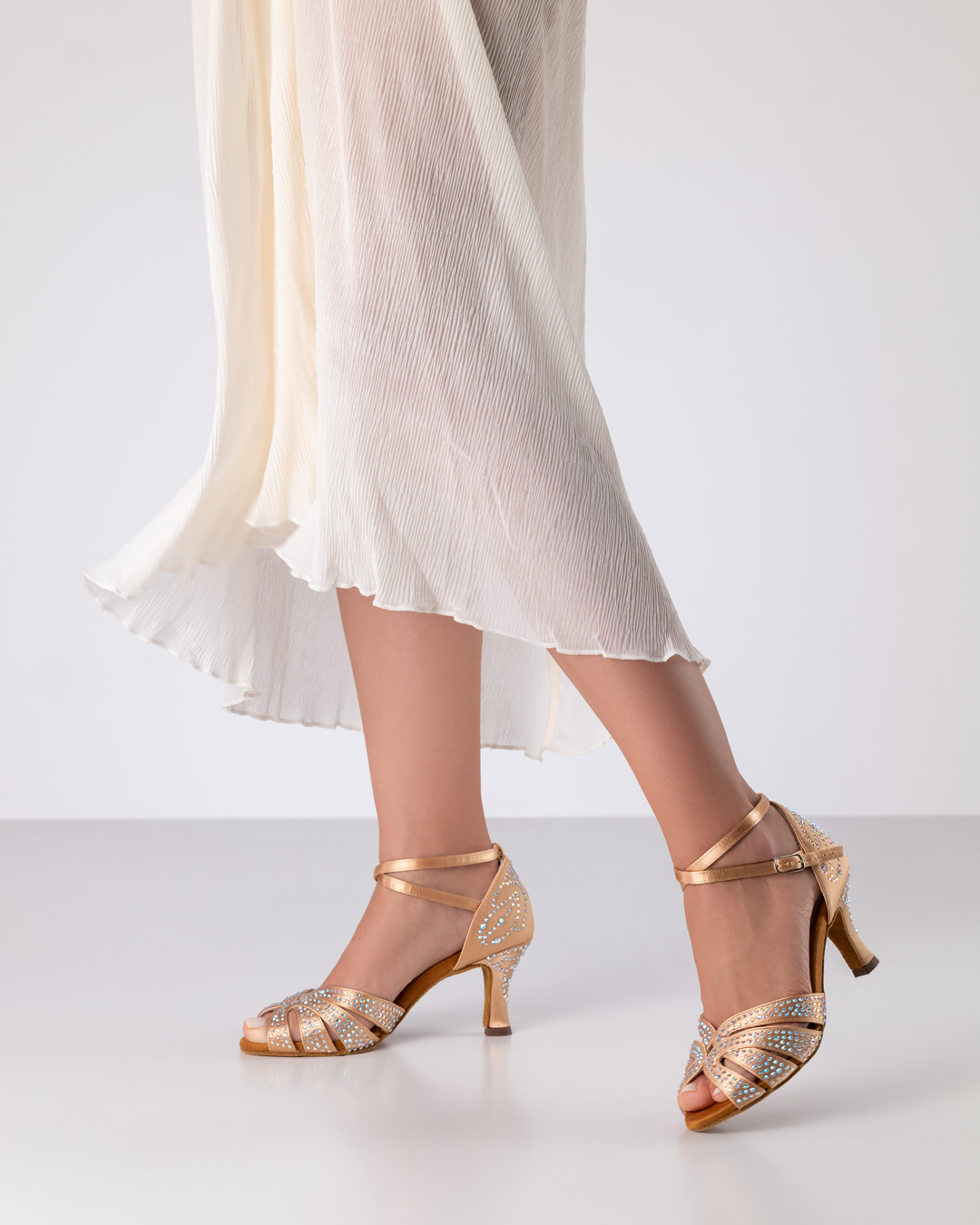
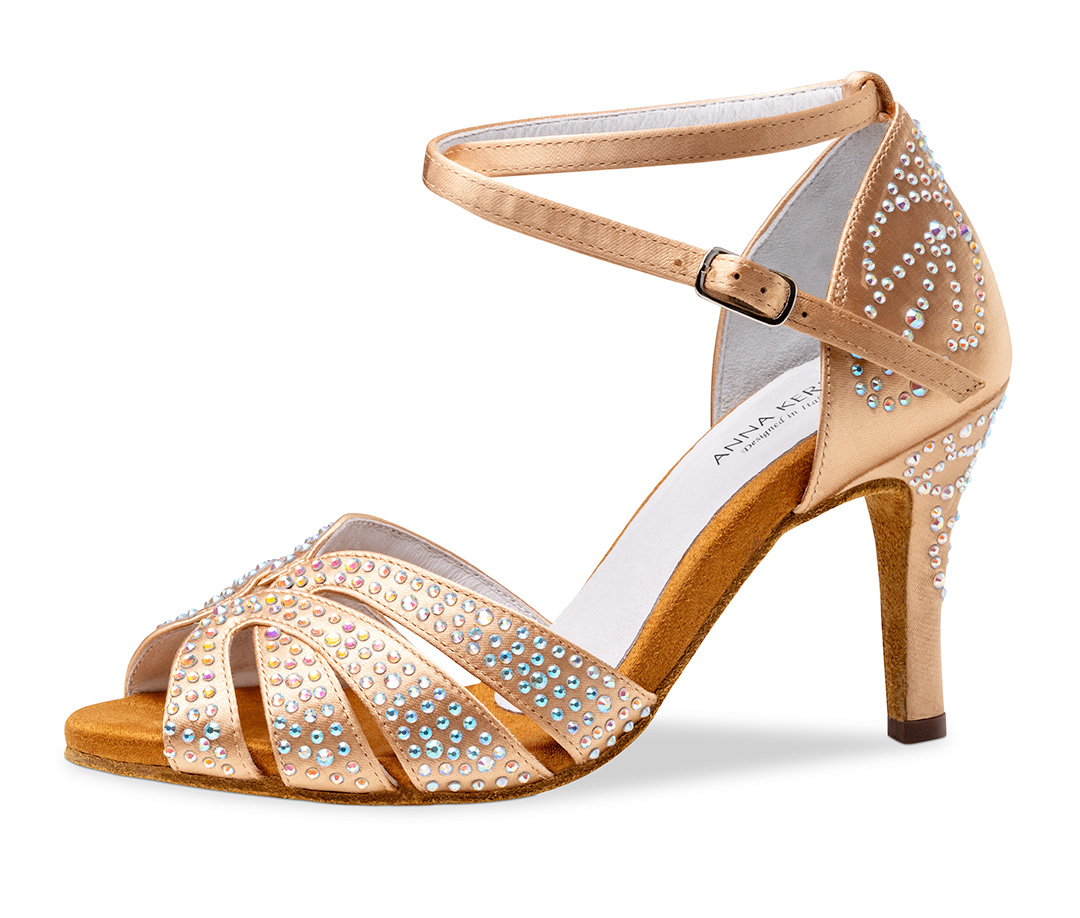
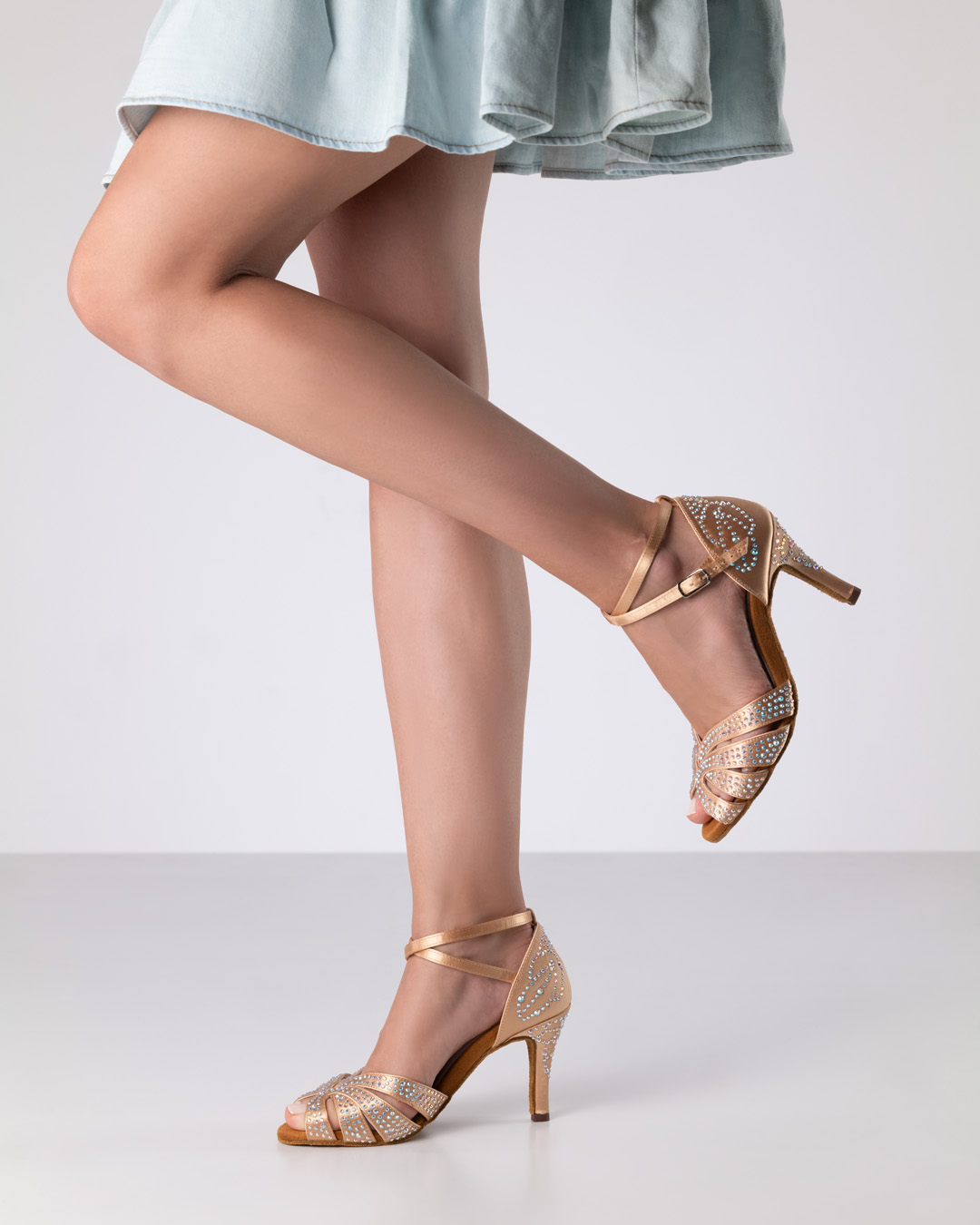
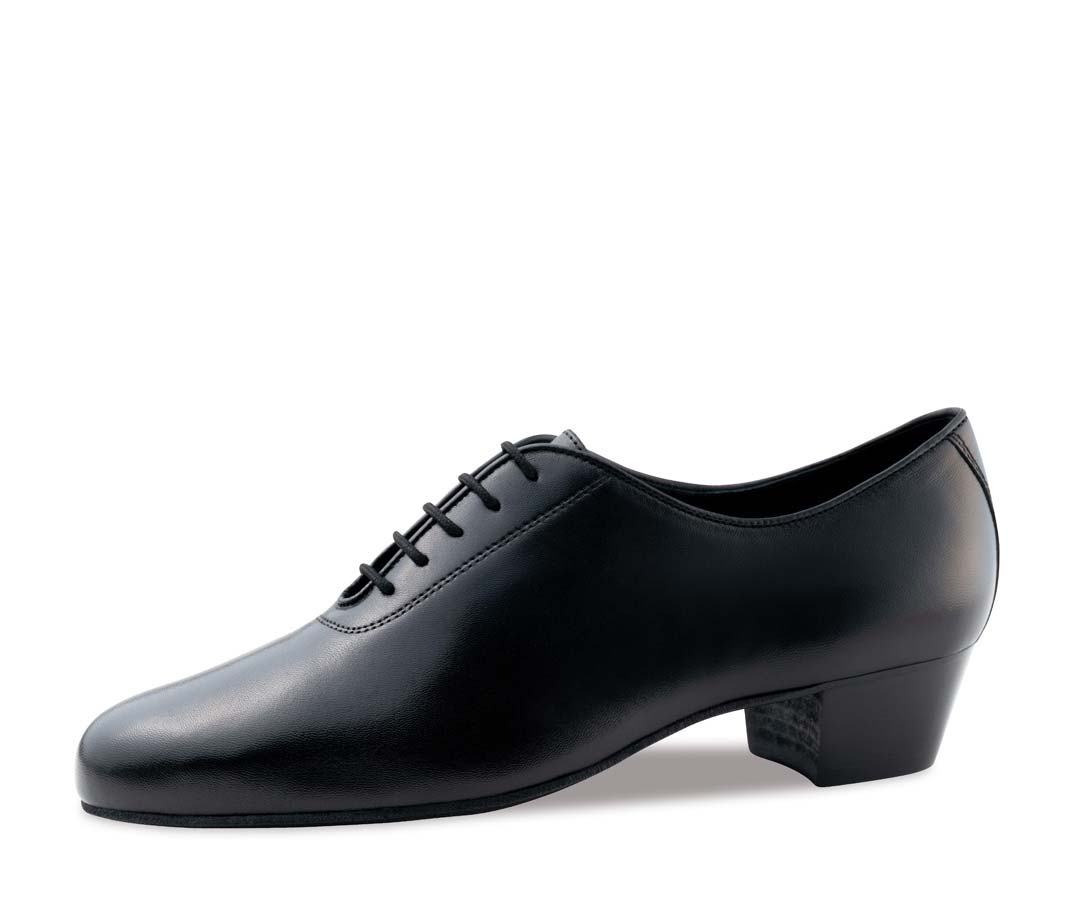
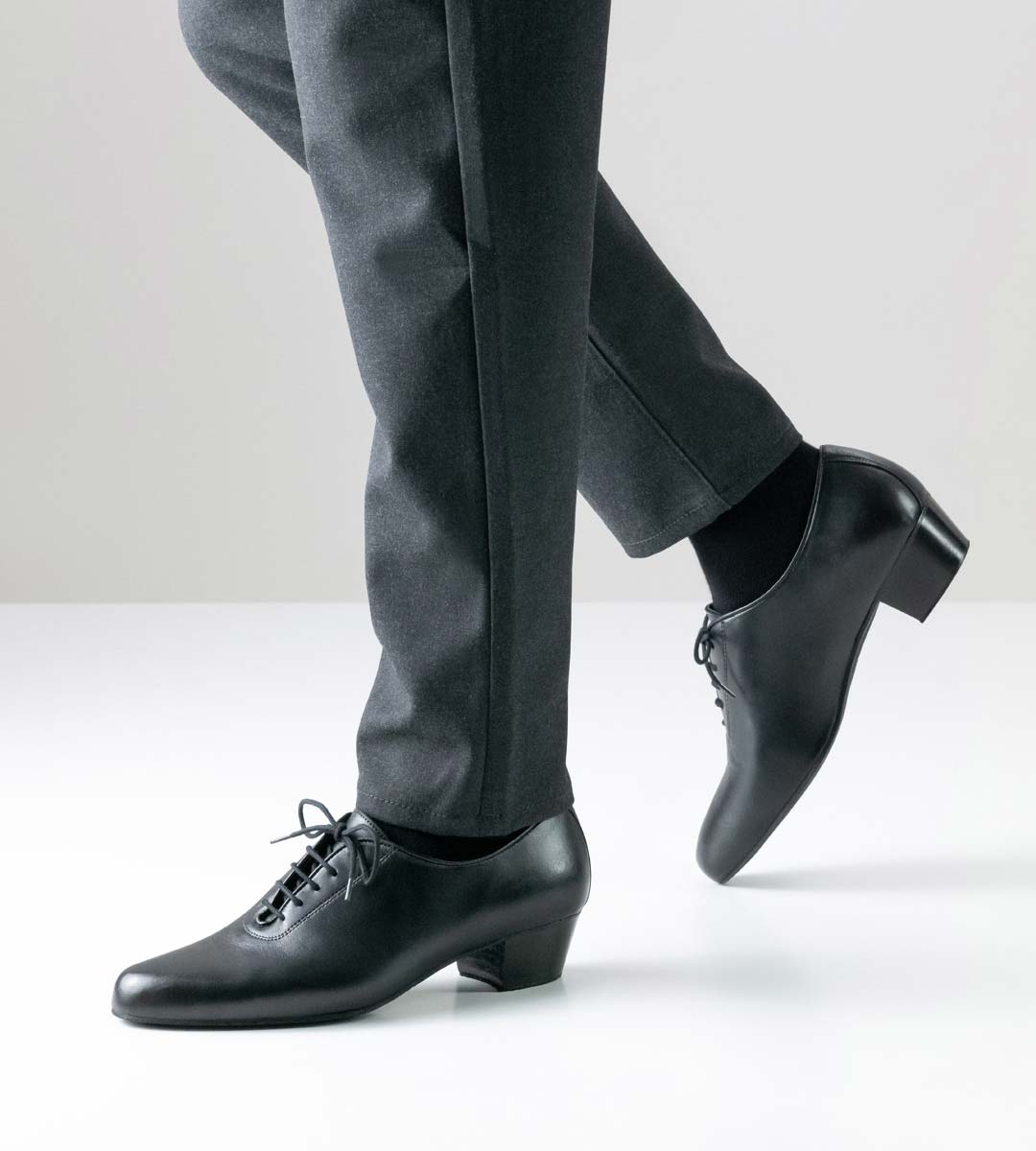
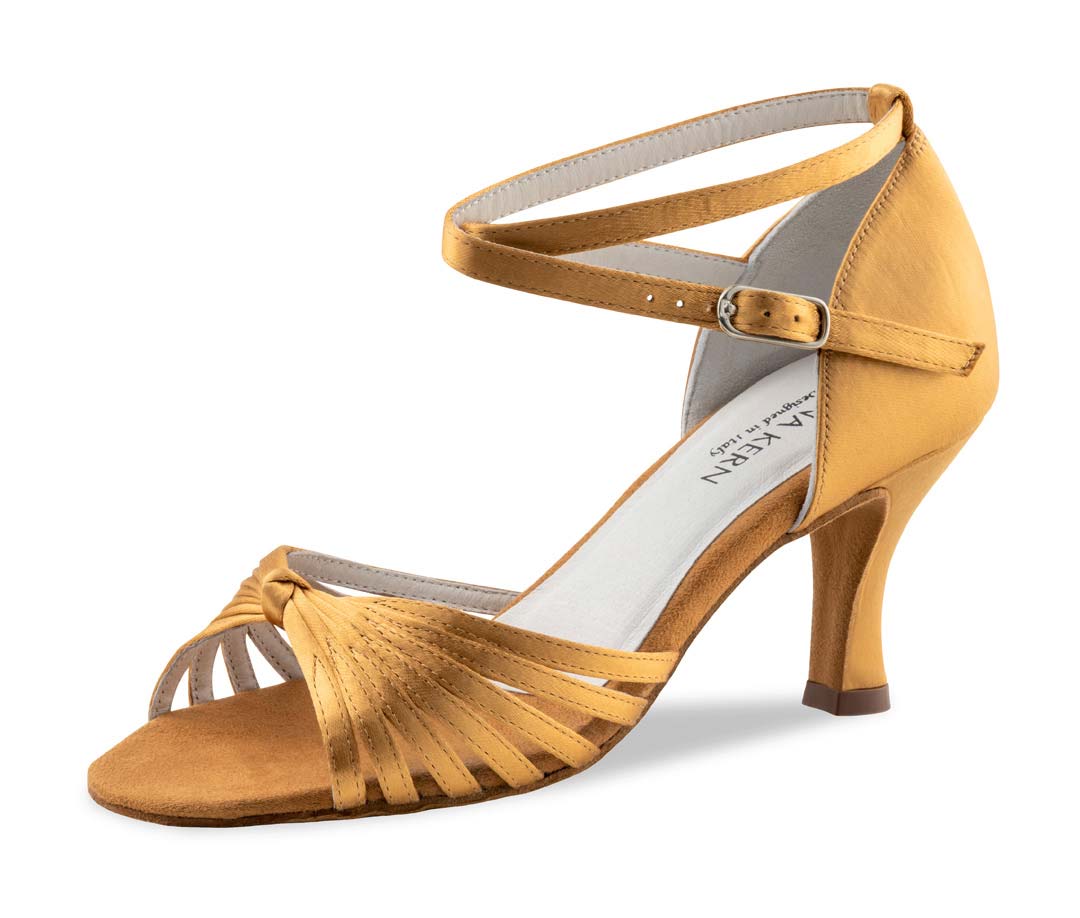
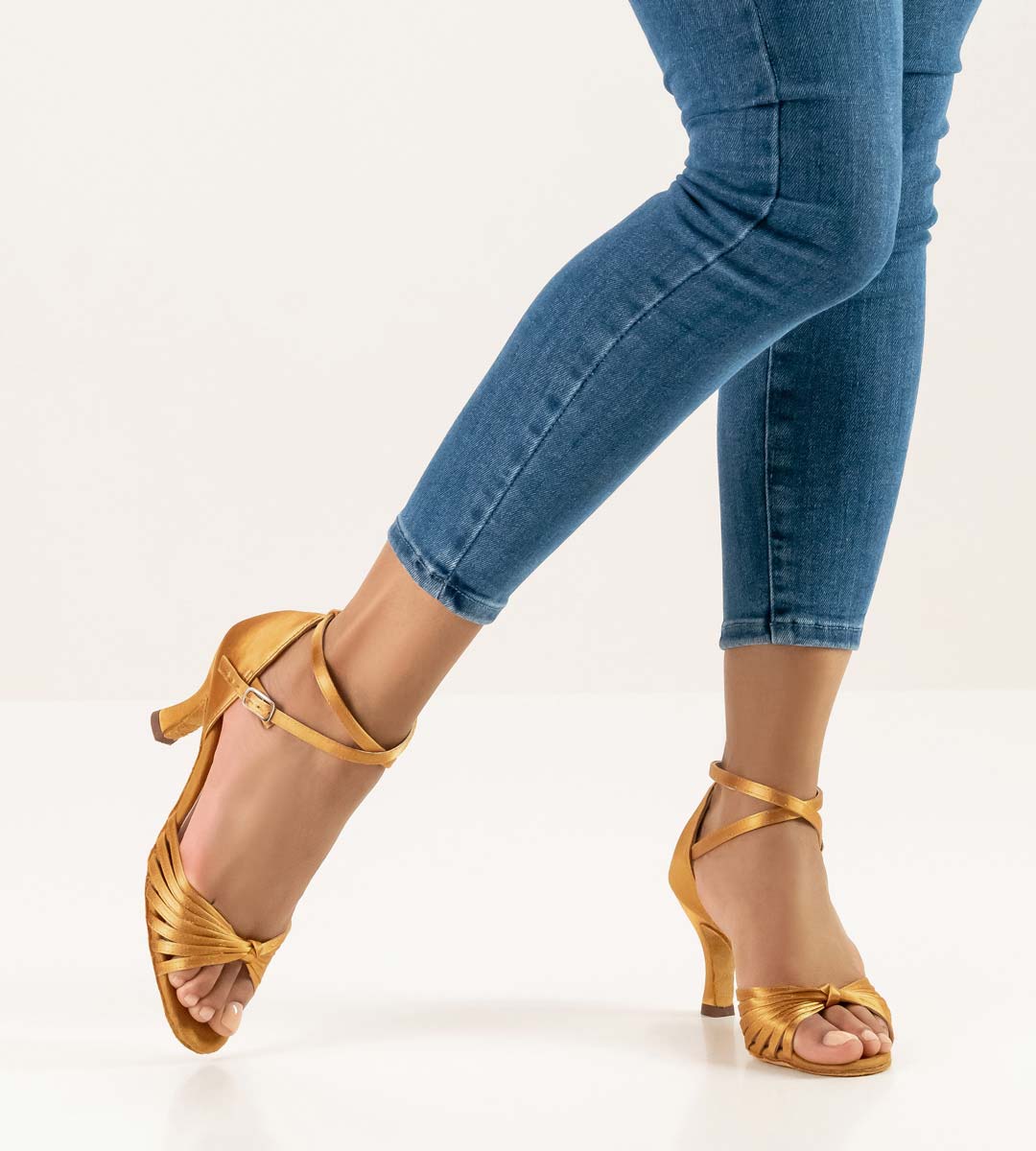
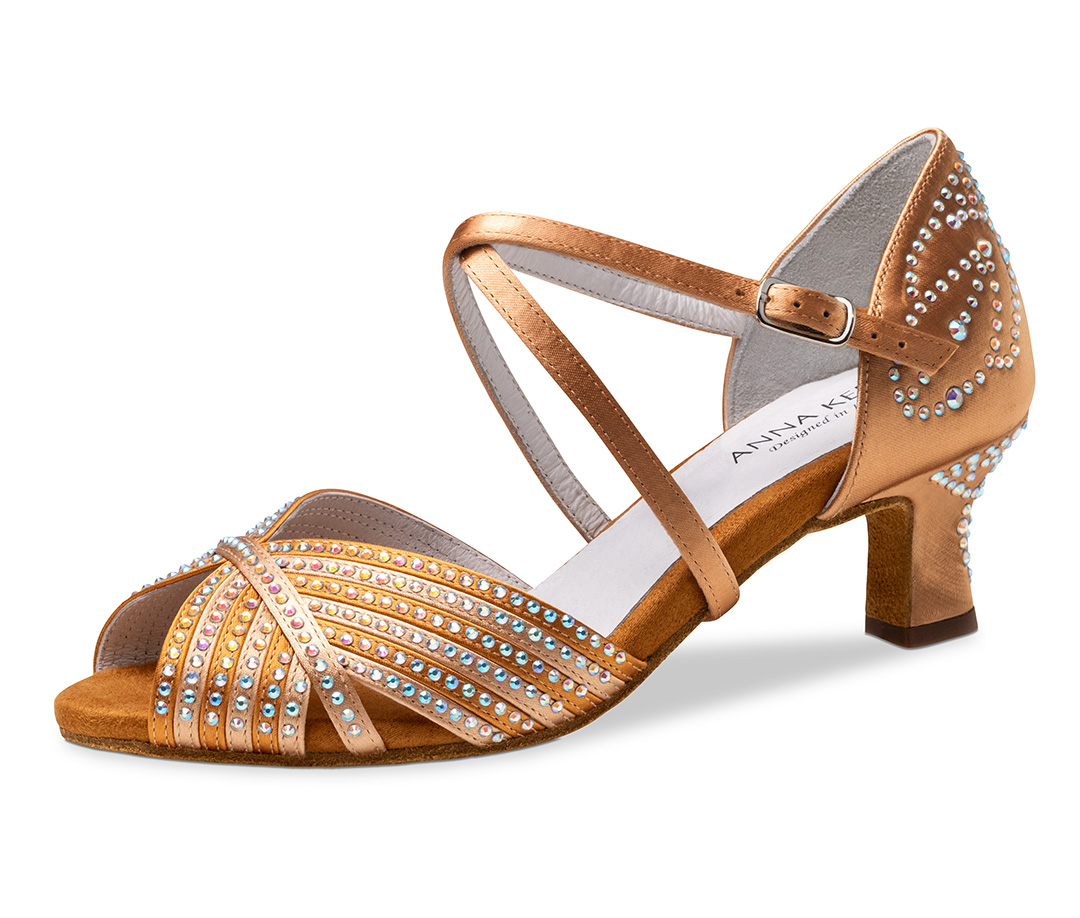
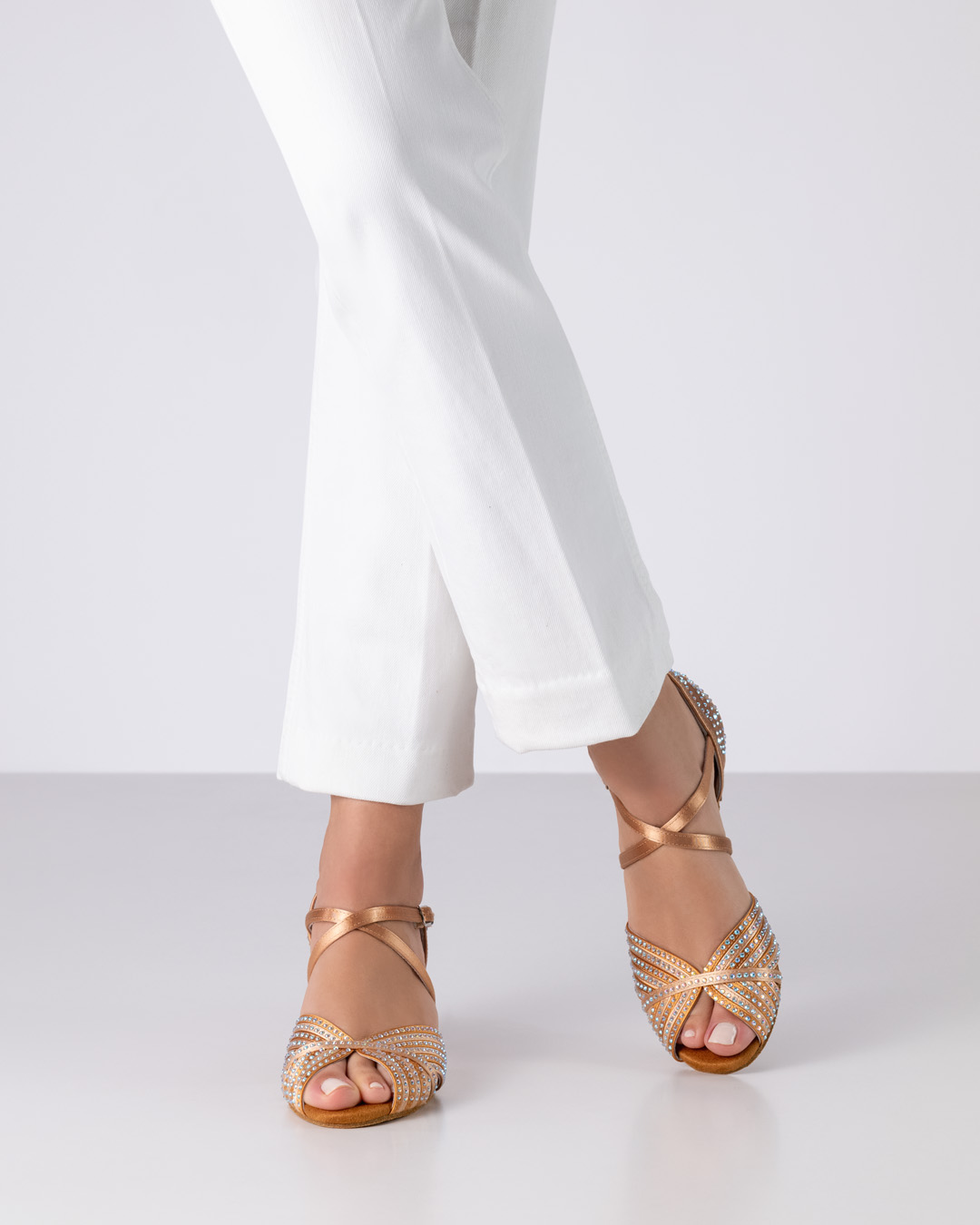
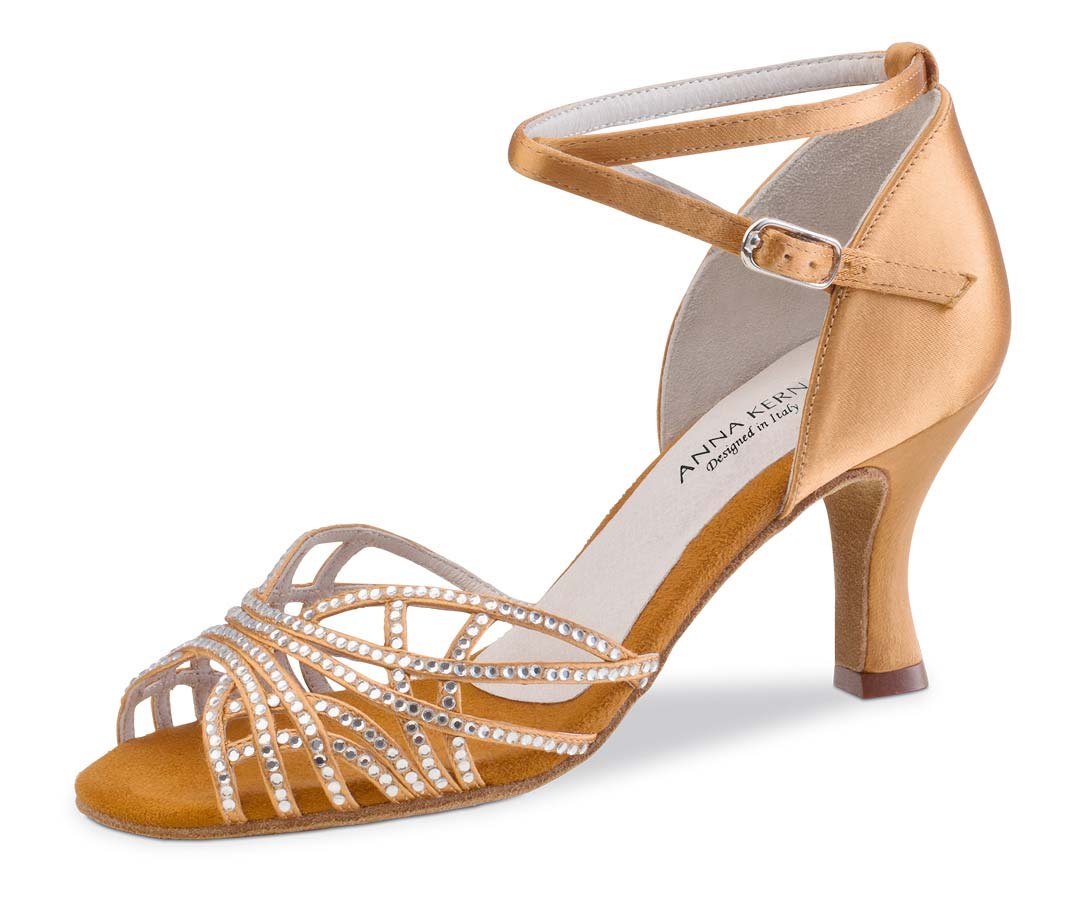
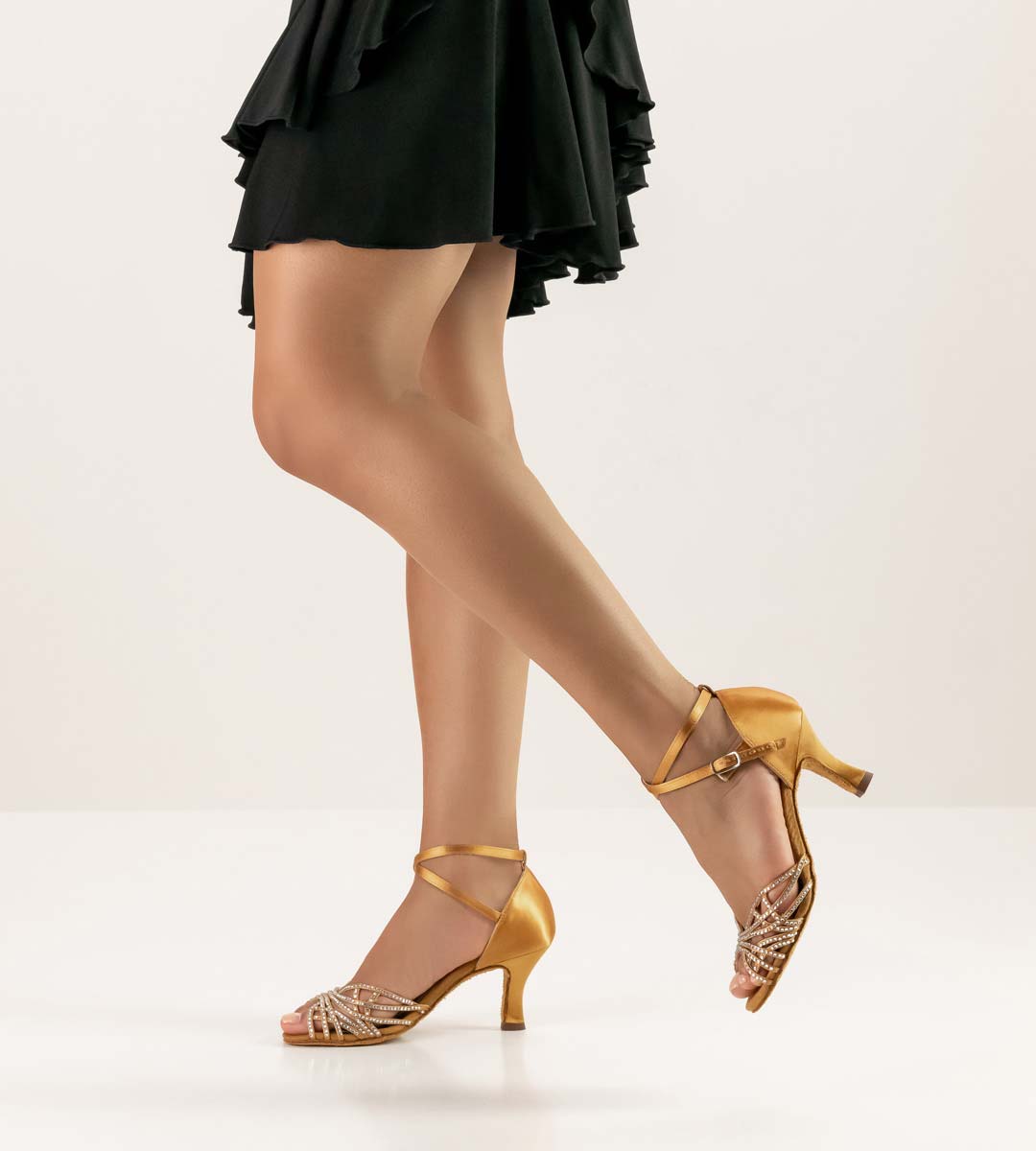
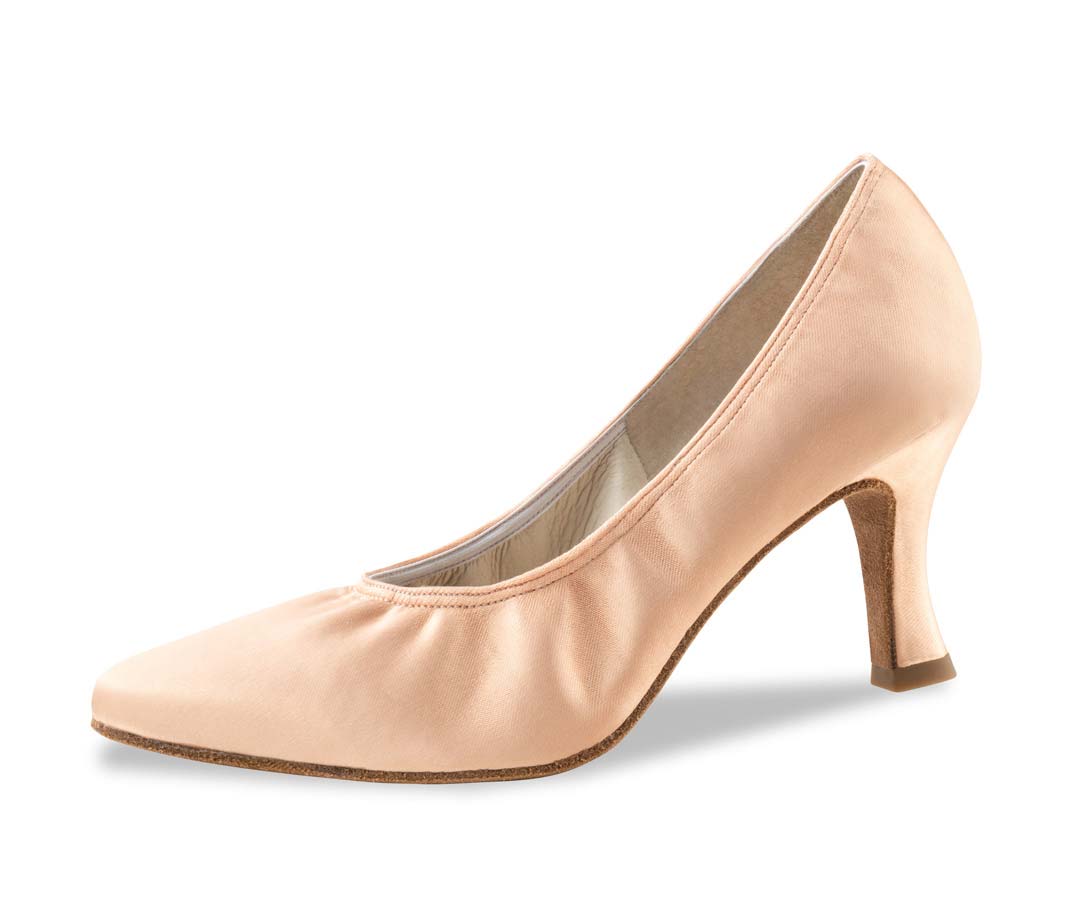
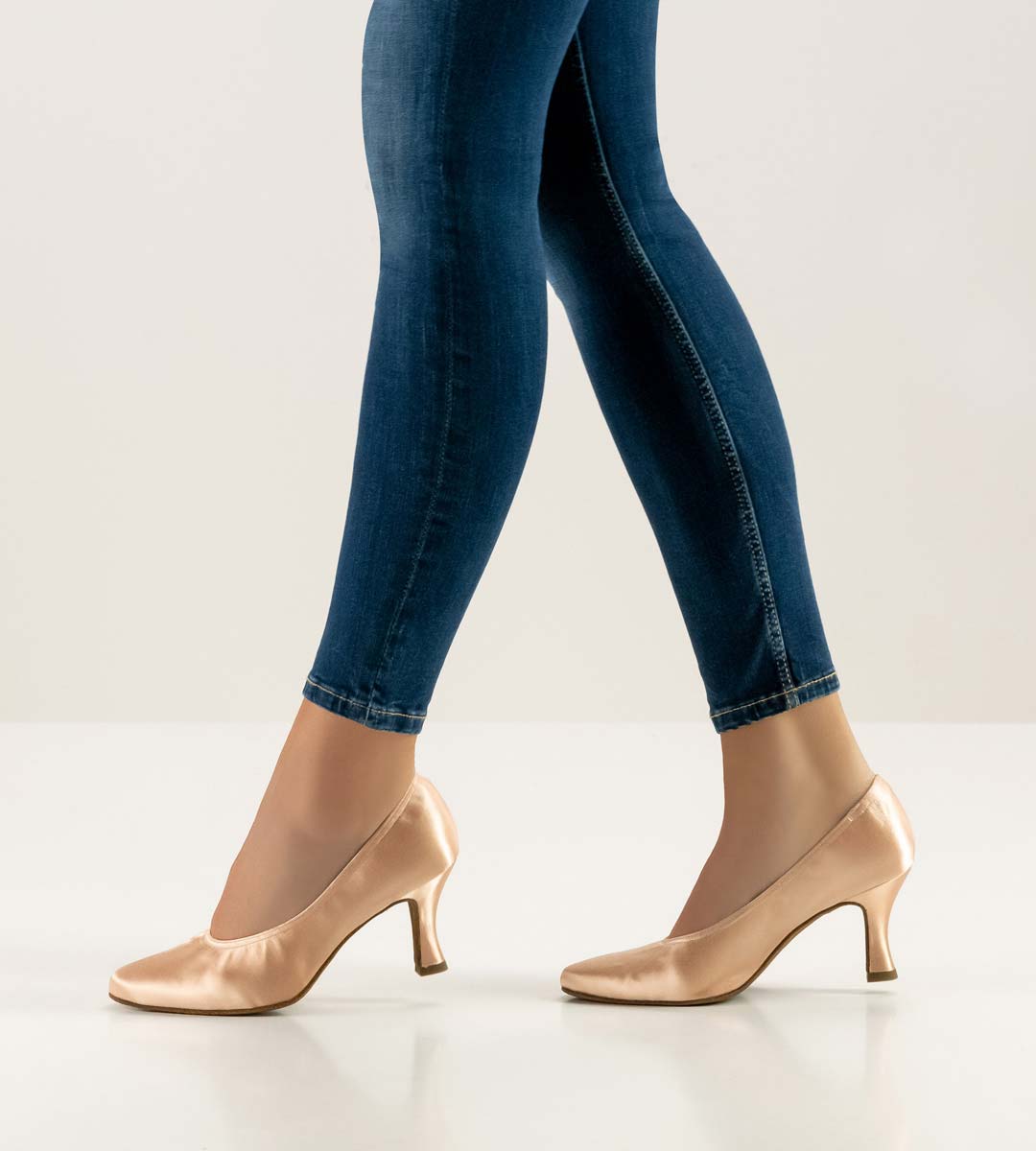
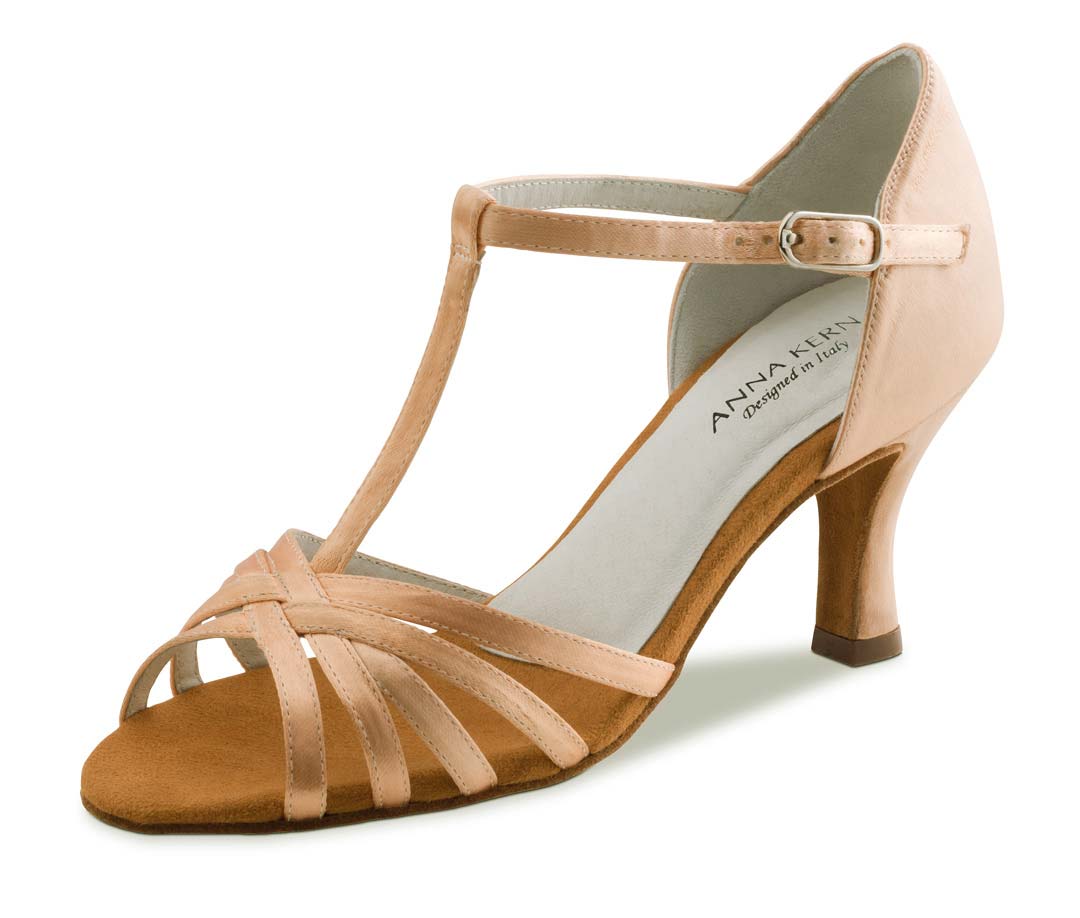
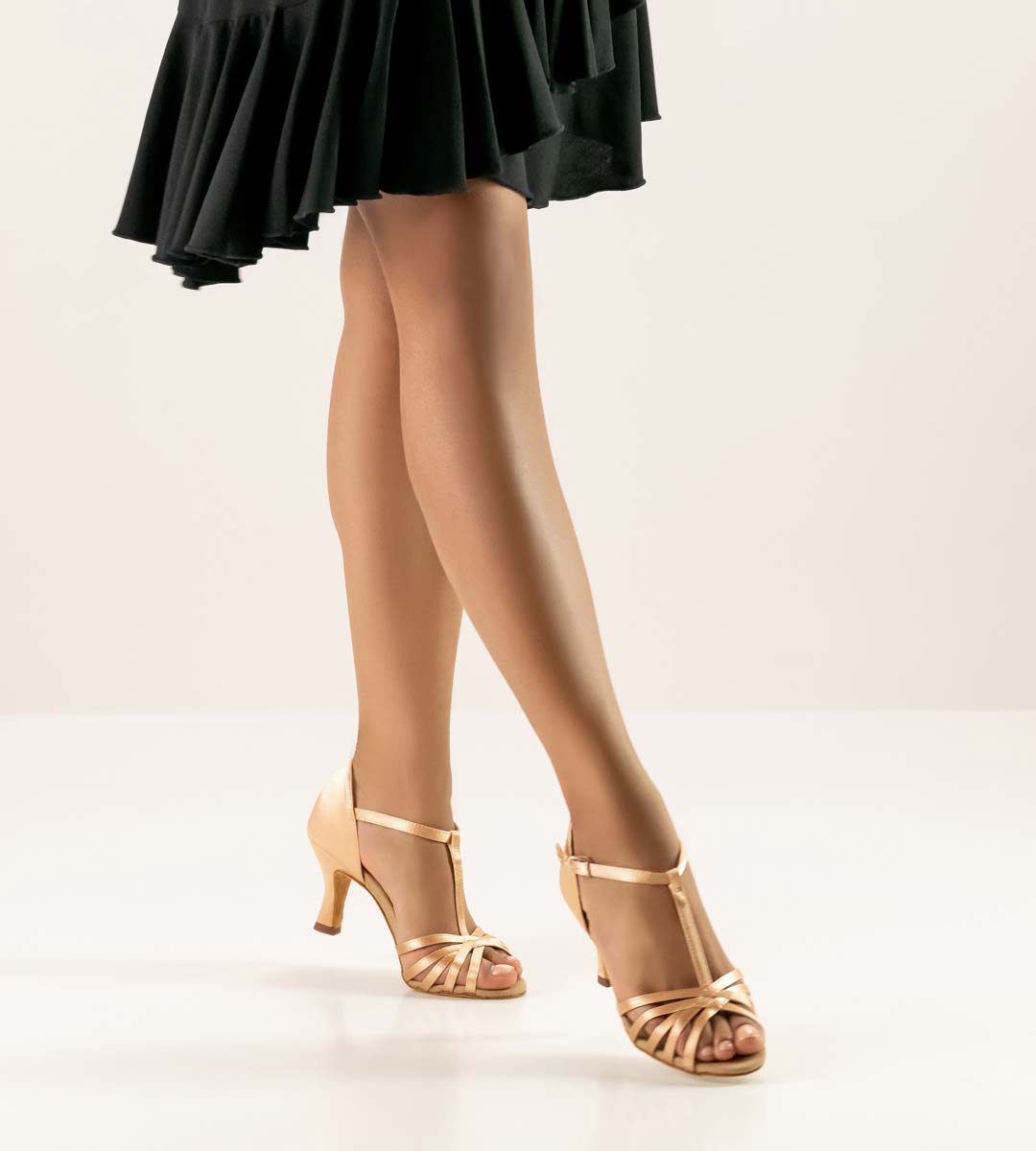
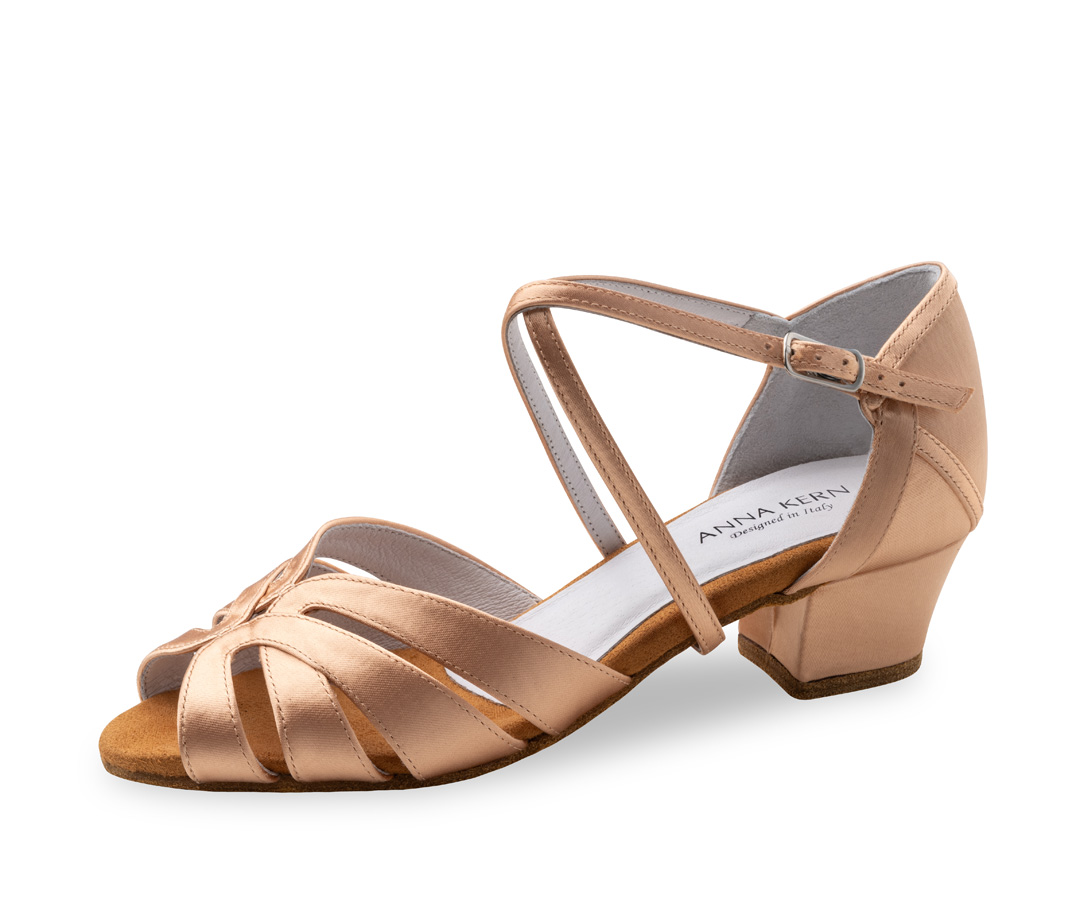
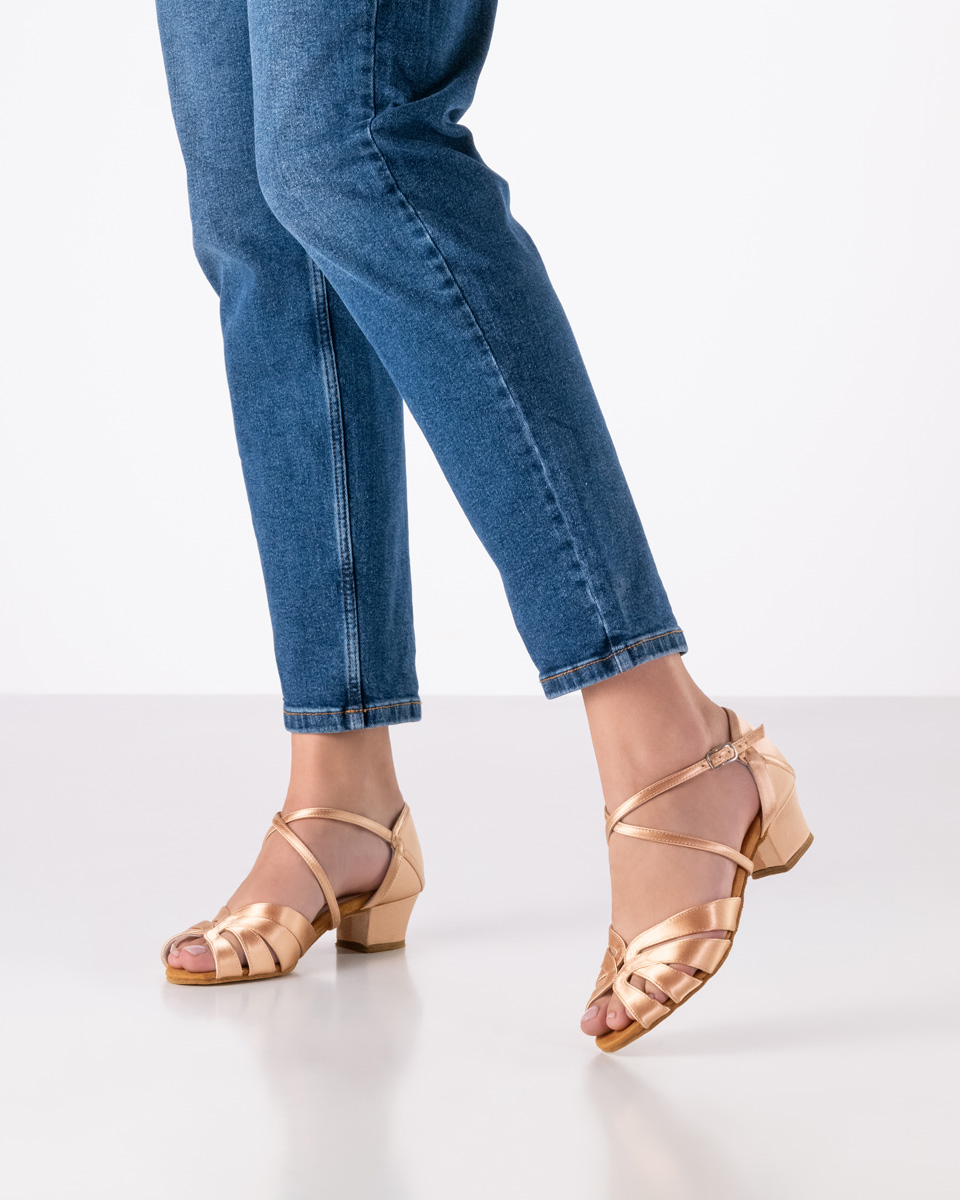
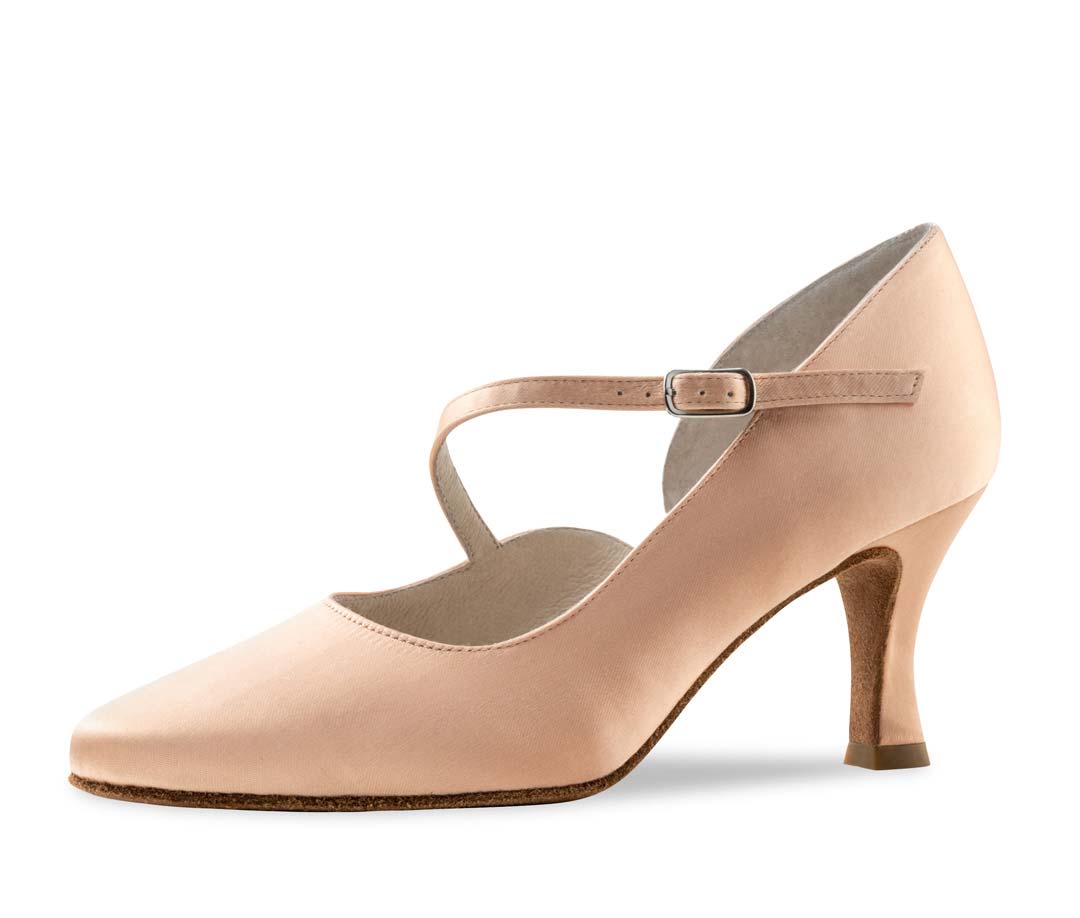
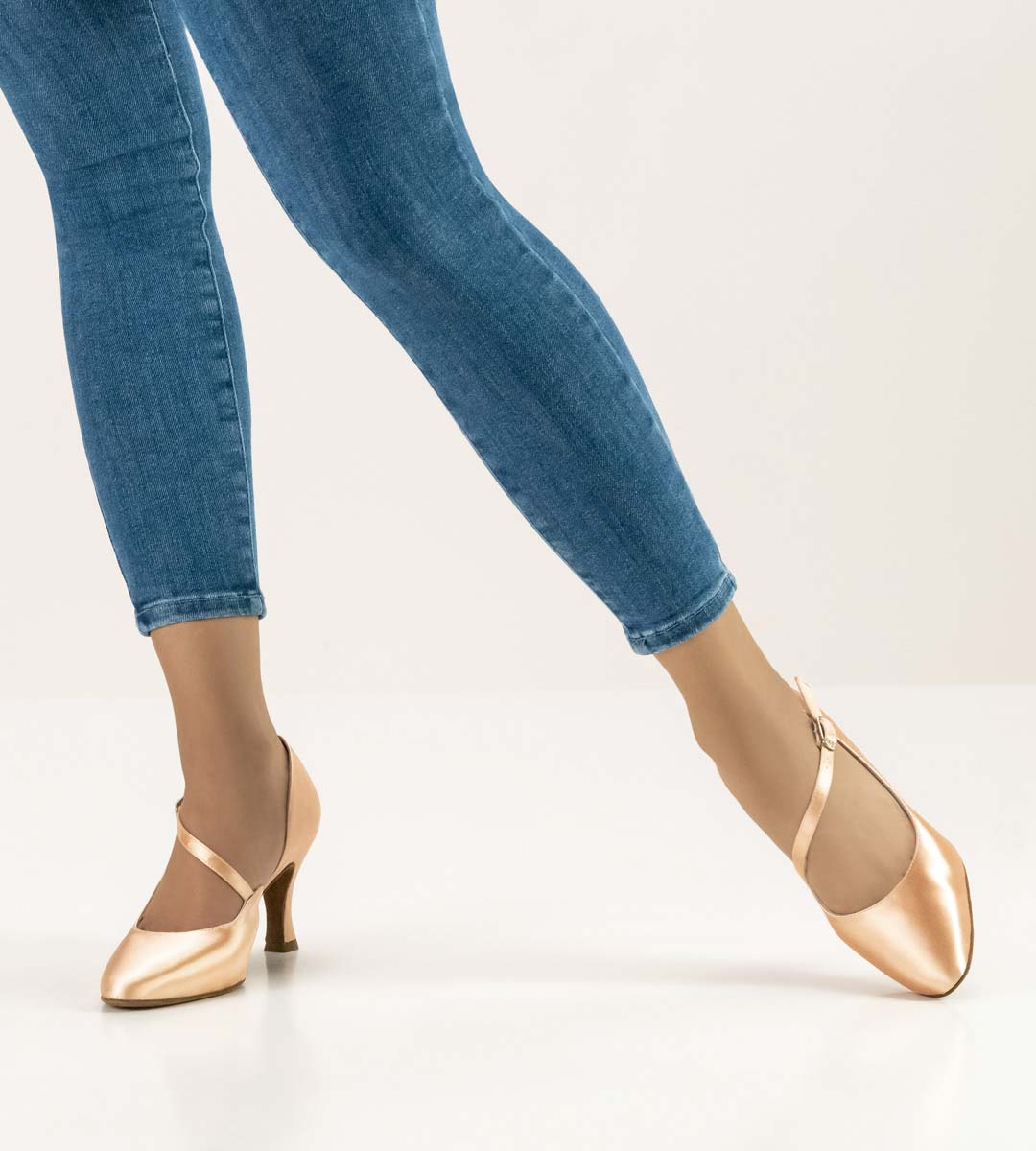
For standard ballroom dancing, dance shoes for women and dance shoes for men that have been specially developed for dancing are indispensable. They usually have a flexible sole made of chrome leather, which enables controlled turns and good gliding on the parquet. At the same time, they offer sufficient grip and freedom of movement.
Conclusion: Why standard ballroom dancing still inspires today
Standard ballroom dancing combines athletic performance with elegance and expression. The combination of technique, musicality and harmonious collaboration within the couple is what makes this form of dance so fascinating to this day. Every movement requires precision, trust and a good sense of rhythm and space. At the same time, DanceSport offers a clear structure with competitions, proficiency classes and opportunities for development. Whether as a hobby or in competition: standard ballroom dancing inspires many people because it combines movement, aesthetics and partnership in a special way.
Frequently asked questions about standard ballroom dancing
The most important difference lies in posture, movement style and the dances danced. In standard dancing, the dance partners usually move across the dance floor in closed hold with body contact. The standard dances include Slow Waltz, Tango, Viennese Waltz, Slowfox and Quickstep.
Latin dances such as Cha-Cha-Cha, Rumba or Samba, on the other hand, are often danced in open dance hold and are more strongly characterised by rhythmic hip movements and individual figures.
About the author
Katy
Katy is a passionate dancer and knows DanceSport from the ground up: already as a teenager she competed in standard and Latin dance competitions. Even today her heart still beats for the dance floor – she follows the developments in DanceSport with enthusiasm and is happy to pass on her knowledge about technique, equipment and dance culture. In her articles she combines personal experience with well-founded background knowledge.